



What's Happening?
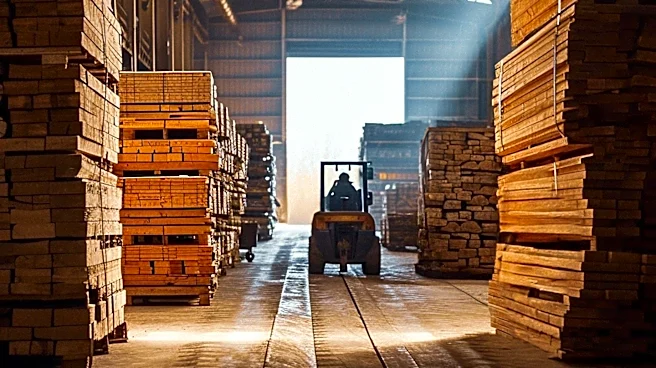
Last week, Rep. Marie Gluesenkamp Perez (WA-03) and Rep. Bruce Westerman (R-AR) introduced the bipartisan Strong American Wood (SAW) Act. This comprehensive legislative package aims to expand market options for wood products and provide relief to American mills
and timber communities. The legislation seeks to address challenges such as mill closures in Southwest Washington, where the timber economy has historically been robust, and the increasing replacement of paper products by plastics. The SAW Act proposes several key measures, including expanding the Carbon Storage Tax Credit to cover biochar and solid-stored carbon, lowering barriers for woody biomass use in transportation fuels, and creating economic and research opportunities for commercializing wood products like woody biomass and biochar. It also aims to remove tariffs on non-U.S.-produced machinery needed for mill modernization and expansion, and direct tariff and countervailing duty collections from the U.S./Canada Softwood Lumber Agreement to create revolving loan funds for new home building with domestic wood products and to promote U.S. softwood lumber. Furthermore, the act seeks to remove 'Buy American/Build America' exemptions for federal government-sourced components that could be domestic forest products, establish a domestic timber procurement requirement for all federal building components, and recognize domestic pulp and paper, hardwood, and softwood supply chains as critical national security materials. It also includes provisions to preserve American-owned and operated forests by implementing 100% expensing for reforestation expenditures after natural disasters, require secondary inspections for wood products to disclose chemical inputs, and mandate an EPA study on wildfire impacts on air quality and the role of wood product manufacturing in wildfire reduction. The bill also establishes a statutory response to European Union Deforestation Regulations (EUDR) that are perceived to unfairly target U.S. wood products.
Why It's Important?
The Strong American Wood Act is significant for the U.S. timber industry and rural economies, particularly in regions like Southwest Washington that have historically relied on forestry. The decline in timber markets due to mill closures and the shift from paper to plastic products has created economic hardship and contributed to environmental issues, such as more severe wildfires due to less forest thinning. By expanding market options for wood products and supporting domestic manufacturing, the act aims to revitalize these communities, create jobs, and enhance economic stability. The provisions related to carbon storage, woody biomass for fuel, and biochar commercialization also align with broader environmental goals, promoting sustainable forest management and reducing reliance on fossil fuels. Furthermore, the emphasis on 'Buy American/Build America' and recognizing timber as a critical national security material could strengthen domestic supply chains and reduce dependence on foreign imports, bolstering national economic resilience. Addressing tariffs on machinery and directing funds from trade agreements back into the industry could provide much-needed capital for modernization and growth, ensuring the long-term viability of U.S. wood product manufacturing.
What's Next?
The Strong American Wood Act will now proceed through the legislative process in Congress, requiring committee review, potential amendments, and votes in both the House and Senate. Its bipartisan introduction by Reps. Gluesenkamp Perez and Westerman suggests a potential for broader support, but its passage will depend on navigating legislative priorities and securing sufficient votes. If enacted, the act's various provisions would lead to significant changes in federal procurement policies, tax credits, and regulatory frameworks affecting the timber industry. The EPA would be tasked with conducting studies on wildfire impacts, and the FTC might investigate market consolidation. The implementation of new loan funds and procurement requirements would necessitate coordination among various federal agencies and industry stakeholders. The act's response to EUDR could also trigger international discussions and adjustments in trade policies related to wood products. The long-term success of the SAW Act will be measured by its ability to effectively expand timber markets, support U.S. mills, and contribute to sustainable forest management practices across the country.
Beyond the Headlines
The Strong American Wood Act delves into complex interconnections between economic development, environmental sustainability, and national security. The decline of the timber industry has not only economic consequences but also ecological ones, as reduced demand for wood products can lead to less active forest management, increasing the risk of catastrophic wildfires. By promoting new uses for wood and supporting sustainable forestry, the act could help mitigate climate change impacts and improve air quality. The bill's focus on domestic production and supply chain resilience also reflects a growing national concern about economic sovereignty and reducing vulnerabilities to global disruptions. Furthermore, the inclusion of provisions to counter foreign regulations like EUDR highlights the ongoing challenges U.S. industries face in international trade and the need for legislative responses to protect domestic interests. This legislation represents a broader effort to re-evaluate and strengthen foundational American industries, ensuring they can adapt to modern economic and environmental demands while preserving rural livelihoods and natural resources.