





What's Happening?
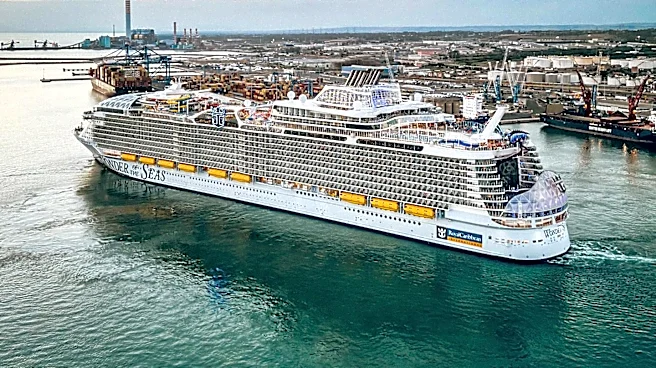
Joseph Morris, CEO and Port Director of Port Everglades, has detailed a long-term vision for the port, involving $1.7 billion in potential cruise-related investments over the next two decades. These plans aim to modernize infrastructure, enhance passenger
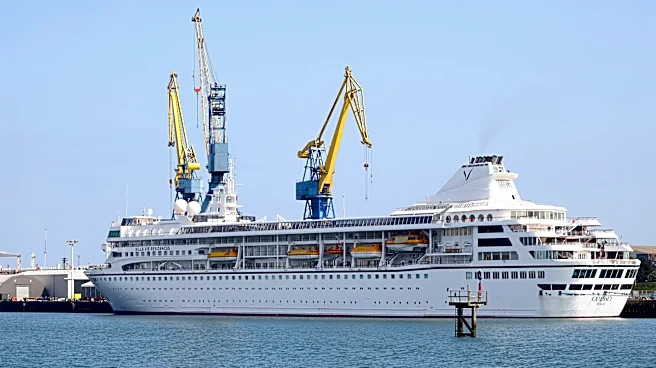
experiences, and solidify the port's standing as a leading cruise homeport. The proposed projects include the modernization of existing cruise terminals, the reconstruction of an older terminal, and significant improvements to wharves and berthing facilities. Additionally, the port intends to upgrade passenger loading bridges, construct new parking garages, and implement roadway enhancements. Morris shared these plans during a conversation with Florida-Caribbean Cruise Association (FCCA) President Adam Ceserano as part of the FCCA Leadership Series. The investments are designed to address evolving cruise itineraries, particularly the rise of private island destinations and shorter voyages, which lead to more frequent vessel turnarounds and increased demand for parking and efficient passenger flow management.
Why It's Important?
These substantial investments by Port Everglades are crucial for maintaining and enhancing its competitive edge in the U.S. cruise industry. By modernizing its infrastructure, the port aims to provide a seamless experience for travelers, which is vital for attracting and retaining cruise lines and passengers. The focus on adapting to changing cruise itineraries, such as the growth of private island destinations and shorter voyages, reflects a strategic response to market trends. This proactive approach can lead to increased economic activity in the region, including job creation in construction, port operations, and related tourism sectors. Furthermore, efficient port operations and improved passenger flow can reduce turnaround times for vessels, potentially leading to cost savings for cruise lines and a better overall experience for tourists, thereby boosting Florida's tourism economy. The emphasis on strong industry relationships also highlights the collaborative nature of the cruise sector and its importance for sustained growth.
What's Next?
Port Everglades will proceed with the planning and execution of these $1.7 billion in potential cruise investments over the next 20 years. The outlined projects, including terminal modernizations, wharf improvements, and parking expansions, will likely be rolled out in phases. The port's leadership will continue to engage with cruise industry stakeholders, such as the Florida-Caribbean Cruise Association, to ensure that the developments align with industry needs and trends. The successful implementation of these plans will depend on securing necessary funding, regulatory approvals, and effective project management. As the projects progress, there will be ongoing efforts to manage the increased demand for parking and optimize passenger and traffic flows, particularly as cruise itineraries continue to evolve towards shorter voyages and private island destinations. The port's commitment to continuous improvement and customer service will be key to its long-term success.
Beyond the Headlines
The significant investment by Port Everglades underscores a broader trend in the U.S. cruise industry: the continuous need for infrastructure adaptation and modernization to meet evolving consumer demands and operational efficiencies. This move reflects a strategic understanding that ports are not merely transit points but integral components of the overall cruise vacation experience. The emphasis on 'seamless experience' and 'efficient management of passenger and traffic flows' points to a future where technology and logistics play an even greater role in port operations. This could lead to the adoption of advanced digital solutions for passenger processing, baggage handling, and traffic management. Moreover, the competition among U.S. ports to attract cruise lines and passengers could intensify, driving further innovation and investment across the sector. The long-term implications include not only economic benefits for the local region but also a potential shift in how cruise travel is perceived and experienced, with a greater focus on convenience and efficiency from embarkation to disembarkation.