


What's Happening?
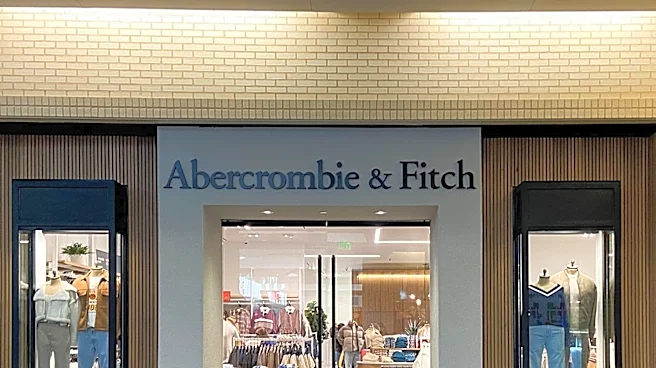
Abercrombie & Fitch, originally established in 1892 by David T. Abercrombie as an outfitting business in Manhattan, has undergone significant transformations throughout its history. Initially, it specialized in tents, field equipment, and outdoor clothing,
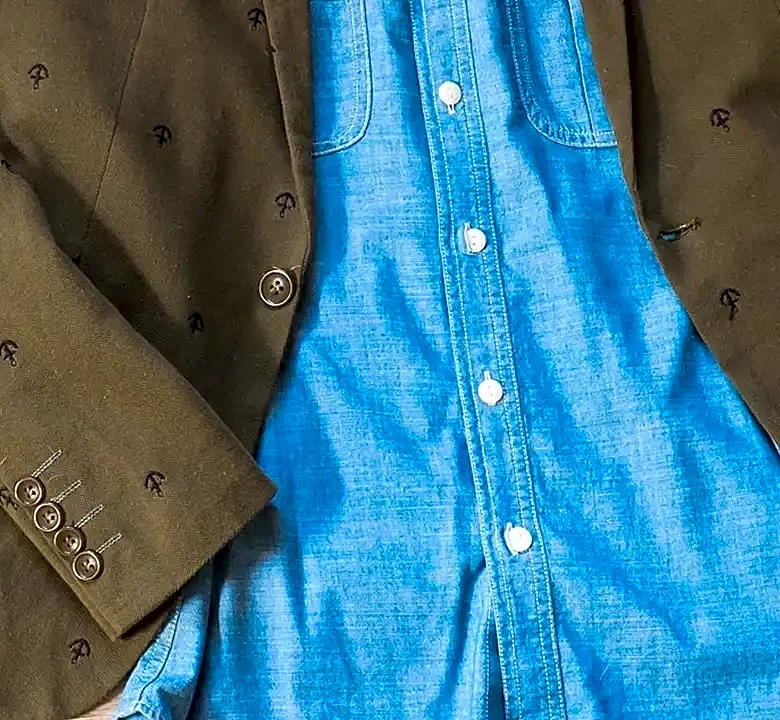
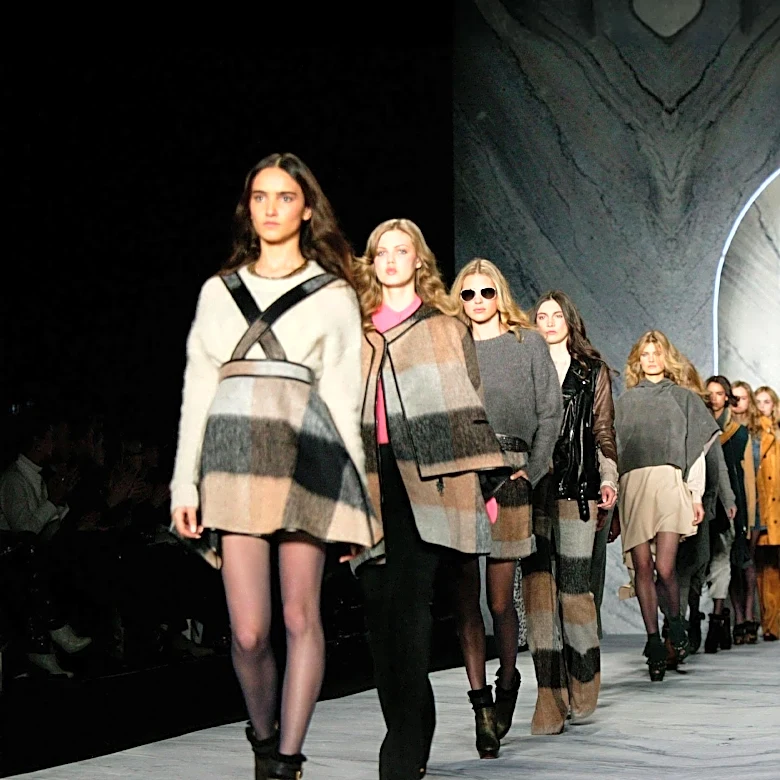
later expanding to include luxury sporting goods, firearms, and expedition gear for a wealthy clientele. After facing bankruptcy in 1976 and the closure of its Madison Avenue flagship, the brand was acquired by Oshman’s Sporting Goods in 1978. A pivotal shift occurred in 1988 when The Limited acquired the brand, replacing its sporting goods assortment with private-label casual clothing. Under CEO Mike Jeffries, appointed in 1992, Abercrombie & Fitch became synonymous with collegiate youth fashion, characterized by washed denim, logo fleece, and polo shirts, supported by sexually charged advertising campaigns. Following Jeffries' departure in 2014, new leadership in 2015, with Aaron Levine overseeing menswear and Kristina Szasz leading womenswear, initiated a move away from prominent logos towards a more diverse wardrobe including tailored casualwear and utility-influenced outerwear. The brand has since emphasized fit, size range, occasion dressing, and brighter store environments, introducing lines like Curve Love denim, YPB activewear, and the A&F Wedding Shop.
Why It's Important?
The evolution of Abercrombie & Fitch reflects broader shifts in American retail and consumer culture. Its journey from a niche outfitter to a mass-market collegiate brand, and now to a more inclusive adult casualwear retailer, illustrates the necessity for brands to adapt to changing demographics and societal values. The brand's past controversies regarding exclusionary hiring and marketing practices under Mike Jeffries highlight the significant impact of corporate leadership and brand messaging on public perception and legal challenges. Its subsequent pivot towards inclusivity and a broader product range demonstrates a strategic response to consumer demands for diversity and accessibility. This transformation is crucial for understanding how established brands navigate market pressures, maintain relevance, and address ethical considerations in a dynamic retail landscape, impacting not only its own market share but also setting precedents for other retailers facing similar challenges.
What's Next?
Abercrombie & Fitch's continued focus on expanding its product lines, such as Curve Love denim, YPB activewear, and the A&F Wedding Shop, indicates a strategy to cater to a wider and more diverse customer base. This diversification suggests the brand aims to solidify its position as a versatile casualwear provider for adults, moving further away from its previous youth-centric image. The emphasis on fit, size range, and occasion dressing points towards a commitment to inclusivity and customer satisfaction, which could attract new demographics and strengthen brand loyalty. The retail industry will likely observe how Abercrombie & Fitch's updated strategy impacts its market performance and brand perception, potentially influencing other legacy brands to re-evaluate their own positioning and offerings in response to evolving consumer preferences and social expectations. The brand's ability to maintain this new direction will be key to its long-term success.
Beyond the Headlines
The story of Abercrombie & Fitch is a compelling case study in brand reinvention and the societal pressures that shape corporate identity. Its shift from an exclusive, often controversial, brand to one that prioritizes inclusivity and broader appeal reflects a significant cultural reckoning within the fashion industry. This evolution highlights the increasing importance of ethical considerations, diversity, and social responsibility in brand management. The brand's past marketing tactics, which drew criticism and litigation, serve as a cautionary tale about the potential pitfalls of exclusionary practices. Its current trajectory suggests a recognition that modern consumers demand more than just products; they expect brands to align with their values. This ongoing transformation underscores a deeper trend where brands are not just commercial entities but also cultural arbitors, constantly negotiating their role in society and adapting to evolving moral and ethical landscapes.