







What's Happening?
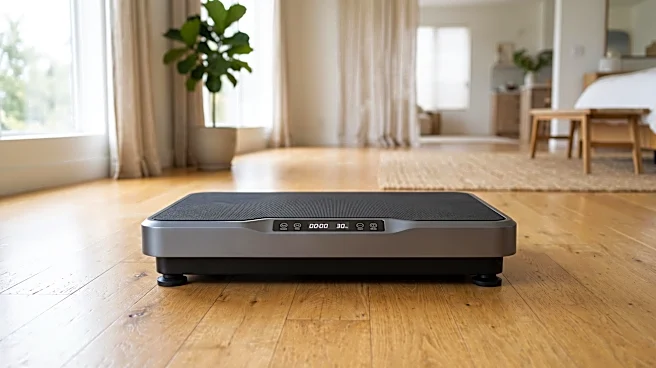
Research into the benefits of vibration plates, also known as whole-body vibration (WBV) training, indicates mixed results, particularly concerning claims of significant improvements in bone density, weight loss, and muscle growth. While some studies
suggest modest improvements in balance, mobility, and certain measures of muscle function, especially in older adults, the evidence is not consistent across all studies or populations. For postmenopausal women, some trials have reported small improvements in specific bone-density measurements, but these findings vary. Claims regarding effortless weight loss, detoxification, or dramatic muscle growth are largely unsupported by strong scientific evidence. The effectiveness of WBV depends heavily on training conditions, individual health, and the specific settings of the vibration plate, including frequency and amplitude.
Why It's Important?
The proliferation of vibration plates in the consumer market, often accompanied by broad health claims, makes it crucial for the public to understand the scientific evidence. For U.S. consumers, particularly those seeking solutions for bone health, weight management, or fitness, distinguishing between scientifically supported benefits and marketing hype is essential. Relying on unproven claims can lead to wasted financial resources and, more importantly, a delay in seeking effective, evidence-based treatments for serious health conditions like osteoporosis or obesity. Healthcare providers also need to be informed to guide patients appropriately, ensuring that WBV is considered as a potential adjunct therapy rather than a standalone solution, especially for vulnerable populations like older adults or those with pre-existing medical conditions.
What's Next?
Researchers continue to explore the potential supplementary benefits of vibration training, particularly for people with osteoporosis, but emphasize that it should never replace prescribed medication, glucose monitoring, nutrition management, or recommended physical activity. Individuals with conditions like osteoporosis or diabetes should consult a healthcare professional before using vibration equipment. Future research needs to address the inconsistencies in study designs, devices, frequencies, and session lengths to provide clearer guidelines on who might benefit most from WBV and under what specific conditions. The focus will likely be on refining protocols for specific outcomes like balance improvement in older adults, rather than broad, unsubstantiated claims.
Beyond the Headlines
The discrepancy between popular claims and scientific evidence surrounding vibration plates highlights a broader issue in the wellness industry: the rapid adoption of technologies without sufficient rigorous testing. This trend can create a false sense of security or provide false hope for individuals seeking quick fixes for complex health issues. It also underscores the importance of media literacy and critical thinking when evaluating health-related products and services. The ethical responsibility of manufacturers to accurately represent the capabilities of their products, and the role of regulatory bodies in overseeing such claims, are significant long-term implications. Ultimately, a balanced approach that prioritizes evidence-based practices over anecdotal experiences is vital for public health.