





What's Happening?
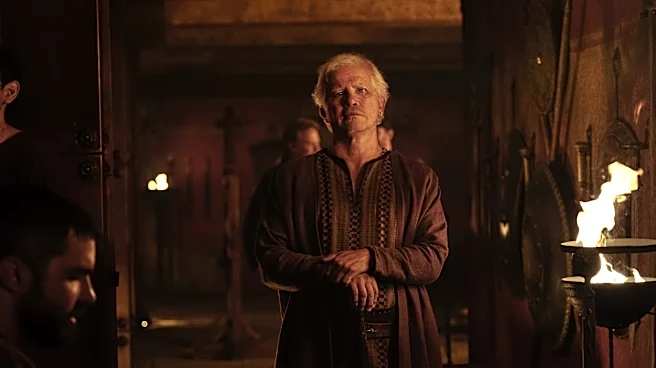
Christopher Nolan's film adaptation of 'The Odyssey' is now available on 4K UHD, Blu-ray, DVD, and digital platforms as of November 17th, 2026. The home release includes over 90 minutes of bonus features, offering a deep dive into the film's production.
These special features are divided into 12 behind-the-scenes segments, such as 'Plotting a Course,' 'Icons,' 'The Widest Window,' 'On Location,' 'The Horse,' 'The Fall of Troy,' 'Ithaca,' 'Battle Ready,' 'Apparent Magic,' 'The Sea People,' 'The Score,' and 'Bringing It Home.' Physical editions also include exclusive content like 'The Journey of Film on The Odyssey,' an IMAX Exclusive Prologue, a music video featuring James Blake, Travis Scott, and Ludwig Göransson, and five trailers. The film, starring Matt Damon as Odysseus, Anne Hathaway as Queen Penelope, and Tom Holland as Prince Telemachus, explores Odysseus's 20-year journey home after the Trojan War, re-examining themes of war, leadership, and responsibility through a modern lens. The home release aims to provide viewers with a comprehensive understanding of Nolan's artistic intentions and the intricate filmmaking process.
Why It's Important?
The release of 'The Odyssey' on home video is significant for film enthusiasts and those interested in the adaptation of classical literature. Christopher Nolan's reputation for meticulous filmmaking and detailed bonus content means this release offers substantial educational and entertainment value, allowing audiences to explore the creative and technical aspects of a major cinematic production. The film's reinterpretation of Homer's epic poem, focusing on the consequences of violence and leadership, prompts a re-evaluation of traditional heroic narratives, which can spark broader cultural discussions. The extensive special features provide insights into modern filmmaking techniques, including practical effects, visual effects integration, and sound design, making it a valuable resource for aspiring filmmakers and film studies students. Furthermore, the emphasis on physical media for exclusive content highlights a continued market for high-quality home entertainment experiences, potentially influencing industry trends regarding bonus material distribution and format choices.
What's Next?
The home release of 'The Odyssey' is expected to generate continued discussion and analysis among film critics and audiences, particularly regarding Nolan's unique interpretation of the classic tale and the film's technical achievements. With the film's release in late 2026, it is likely to remain a topic of conversation leading up to the 2027 Academy Awards, where it may be considered for various categories. Universal Pictures Home Entertainment's strategy of ensuring wide availability of physical editions, including at retailers like Best Buy, suggests an ongoing effort to cater to collectors and those who prefer physical media. Future sales and promotions for the film are also anticipated, especially if it garners awards season attention. The detailed bonus features may also inspire further academic study and fan theories, extending the film's cultural footprint beyond its initial theatrical run.
Beyond the Headlines
Beyond its immediate release, 'The Odyssey' home edition delves into deeper implications concerning the adaptation of ancient texts for contemporary audiences. Nolan's film challenges traditional heroic narratives by portraying Odysseus as a leader grappling with the moral weight of his choices and the violence he perpetrates, rather than solely celebrating his cleverness. This recontextualization encourages viewers to critically examine historical narratives and the justifications for conflict, drawing parallels to modern geopolitical issues. The film's exploration of themes like xenophobia through the unseen 'Sea People' reflects contemporary societal anxieties and divisions. Ethically, the adaptation prompts reflection on leadership responsibility and the long-term psychological impact of war. Legally, while not directly addressed, the film's detailed production insights could influence discussions around intellectual property and creative interpretation in adaptations. Culturally, it contributes to the ongoing dialogue about how classic literature remains relevant and can be reinterpreted to address current human conditions, fostering a deeper engagement with foundational stories.