







What's Happening?
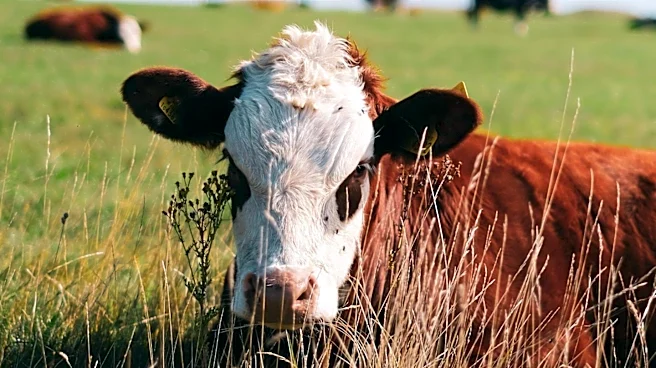
In 2025, Kansas farms experienced a significant increase in net farm income, doubling from previous years. This surge was primarily driven by livestock sales and government payments, rather than crop yields. Despite good crop yields, the income from crops
remained stable due to offsetting factors such as lower insurance indemnities. The increase in farm income highlights the importance of livestock and government support in the agricultural sector, as these components played a crucial role in the financial performance of Kansas farms.
Why It's Important?
The rise in farm income in Kansas underscores the critical role of livestock and government payments in supporting the agricultural economy. This trend highlights the vulnerability of the sector to market fluctuations and the reliance on external support to maintain profitability. The data suggests that while crop yields were favorable, they did not significantly contribute to the income increase, emphasizing the need for diversified income sources in agriculture. The findings also raise questions about the sustainability of relying on government payments and the potential impact of policy changes on farm income.
What's Next?
Looking ahead, Kansas farms may continue to benefit from strong livestock markets and government payments in the short term. However, the long-term sustainability of this income model is uncertain, particularly if government support diminishes or market conditions change. Farmers may need to explore alternative strategies to enhance resilience, such as diversifying income streams or investing in sustainable farming practices. Policymakers might also consider reviewing agricultural support programs to ensure they effectively address the needs of the sector and promote long-term stability.