




What's Happening?
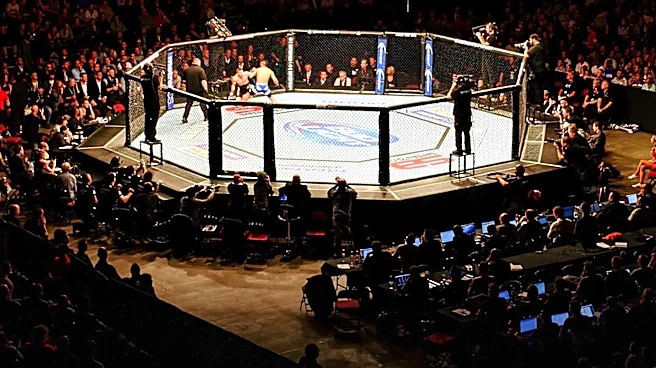
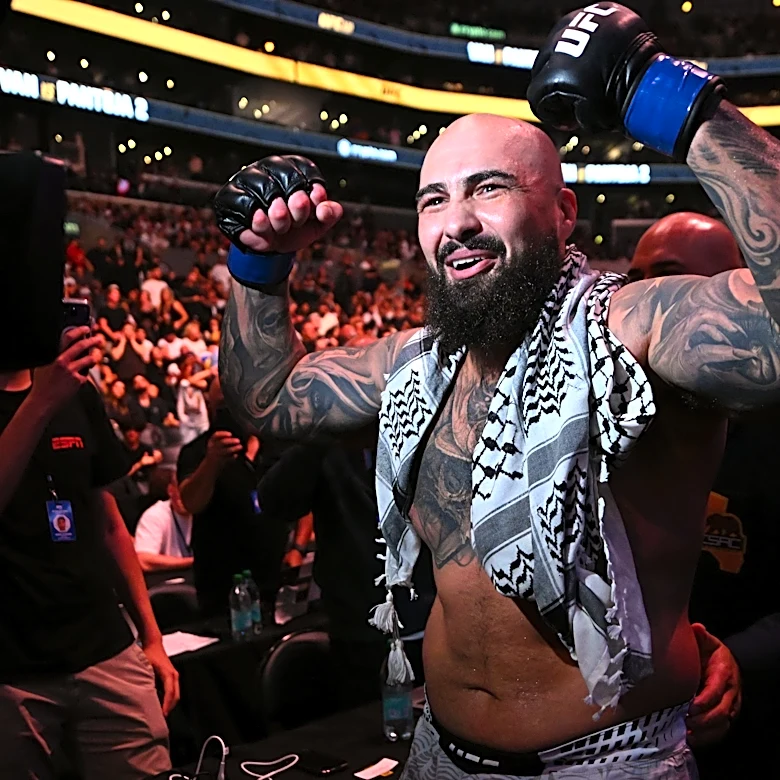
The Ultimate Fighting Championship (UFC), a professional mixed martial arts (MMA) organization, has undergone significant restructuring since its inception in 1993. Under the ownership of Zuffa, LLC, which acquired the organization in January 2001, the UFC transformed
MMA into a highly organized and controlled combat sport. This restructuring has led to a substantial increase in its event schedule, with the UFC now offering between twelve and fourteen live pay-per-view events annually across various international locations. The organization's goal from its early days was to identify the 'Ultimate Fighting Champion' by hosting tournaments featuring athletes proficient in diverse martial arts disciplines, including karate, jiu-jitsu, boxing, kickboxing, grappling, wrestling, and sumo. The UFC's popularity initially surged in Brazil and Japan before it expanded its reach to the United States. The organization operates under the regulation and recognition of prominent sports regulatory bodies, such as the State Athletic Commissions of California, Florida, Nevada, New Jersey, Ohio, and Pennsylvania, ensuring high standards of safety and quality in the sport.
Why It's Important?
The transformation of the UFC under Zuffa, LLC, is significant for the sports industry, particularly in the U.S., as it demonstrates how a niche combat sport can be professionalized and scaled into a major global entertainment product. The increased frequency of live pay-per-view events not only generates substantial revenue for the organization but also provides consistent employment and exposure for MMA athletes. This structured approach has elevated MMA's legitimacy and appeal, attracting a broader audience and securing regulatory approval from various state athletic commissions, which is crucial for its operation and growth within the U.S. The UFC's success has also influenced the broader landscape of combat sports, setting a precedent for how such events can be managed, marketed, and regulated to ensure both athlete safety and commercial viability. The organization's global expansion further solidifies its position as a dominant force in professional sports, impacting media rights, sponsorship deals, and the overall sports entertainment market.
What's Next?
The UFC is expected to continue its strategy of hosting numerous live pay-per-view events annually, maintaining its global presence and expanding its fan base. The organization will likely focus on identifying and promoting new talent to sustain the competitive integrity and entertainment value of its events. Given its established regulatory framework, the UFC will continue to operate under the oversight of various state athletic commissions, ensuring adherence to safety protocols and fair competition. Future developments may include further international expansion into new markets, leveraging digital platforms for content distribution, and exploring new revenue streams through merchandise and ancillary businesses. The ongoing evolution of MMA techniques and athlete training will also shape the future of the sport, potentially leading to new competitive dynamics and fan engagement strategies. The UFC's commitment to high standards of safety and quality will remain a key factor in its continued success and acceptance within the mainstream sports landscape.
Beyond the Headlines
The UFC's journey from a niche, often controversial, combat sport to a highly regulated and globally recognized professional organization highlights broader trends in sports commercialization and cultural acceptance. The initial 'anything goes' philosophy of Vale Tudo, a Brazilian form of MMA, evolved into a structured sport, reflecting a societal shift towards greater regulation and athlete welfare in high-impact sports. This transformation also underscores the power of strategic ownership and marketing in shaping public perception and expanding a sport's appeal. The UFC's emphasis on diverse martial arts disciplines within a single competitive framework promotes a unique blend of athletic skills and strategic thinking, influencing training methodologies and athlete development across various combat sports. Furthermore, the organization's success in securing regulatory approval from multiple U.S. state athletic commissions demonstrates the importance of institutional legitimacy in establishing and growing a professional sport, setting a precedent for other emerging sports to follow.