

What's Happening?
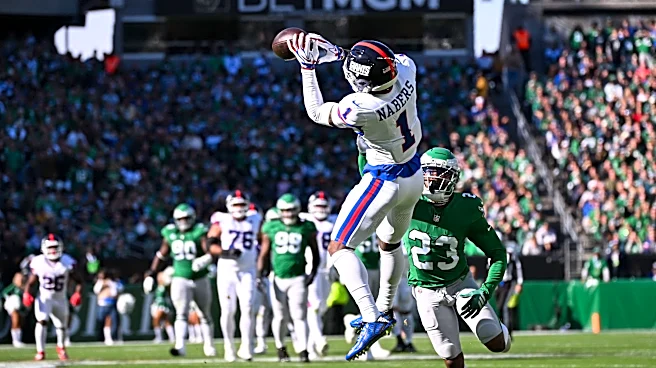
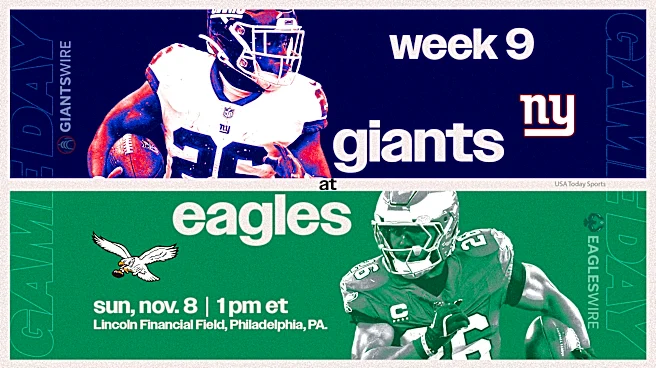
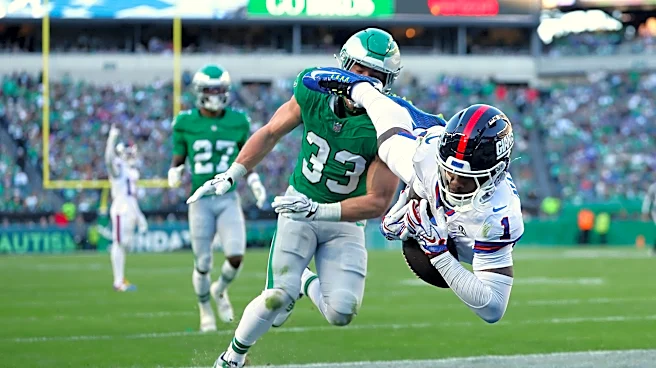
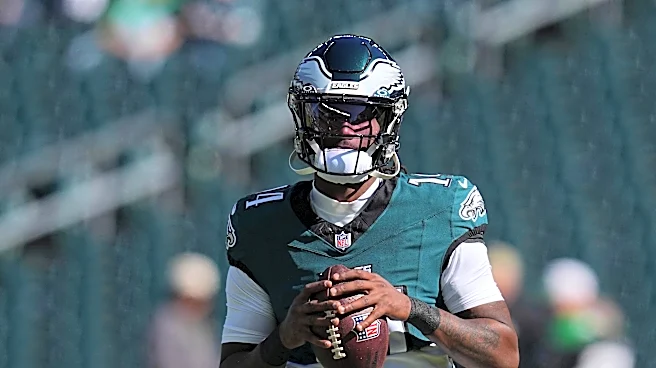
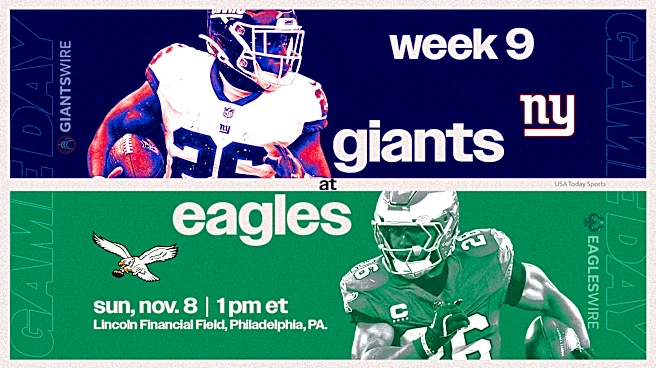
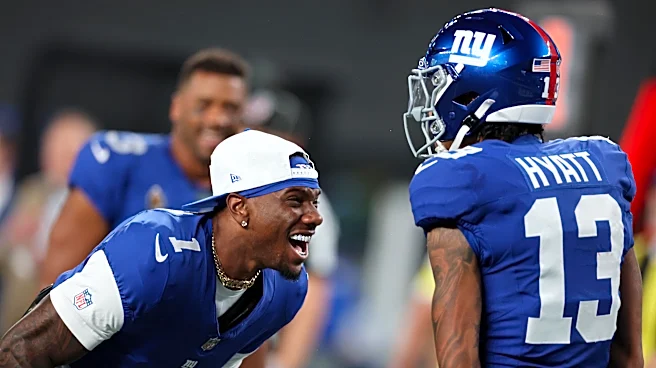
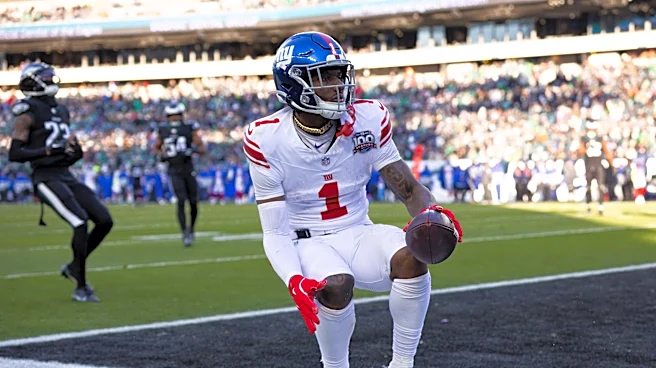
New York Giants wide receiver Malik Nabers publicly addressed criticism from Fox Sports analysts Joe Davis and Greg Olsen regarding his body language during the Giants' 19-11 victory over the Philadelphia Eagles. During the game, cameras captured Nabers expressing
frustration, including slamming his helmet, after a late drop in the end zone and perceived lack of involvement. Davis described Nabers' body language as 'terrible,' and Olsen agreed it was 'not good,' drawing a distinction between demanding the ball and being a 'bad teammate.' Nabers, who finished the game with five catches for 43 yards, responded on Instagram, stating that no one he has played with has ever called him a 'bad teammate' and that his facial expressions remain consistent regardless of game outcomes. He also suggested that if his demeanor is an issue, cameras should be kept off him. Nabers clarified that his frustration stemmed from the offense's 'lollygagging' in a division contest, not his personal statistics.
Why It's Important?
This incident highlights the increasing scrutiny professional athletes face from media and the public, particularly concerning their on-field demeanor and emotional responses. For Malik Nabers, a prominent player for the New York Giants, such public criticism from national broadcasters can impact his public image and potentially influence perceptions within the league and among fans. The exchange also underscores the tension between athletes' personal expressions of frustration and the media's interpretation and portrayal of those emotions. The narrative created by broadcast commentary can shape how a player is viewed, potentially affecting team dynamics, fan support, and even future contract negotiations. For sports broadcasters, the event raises questions about the responsibility of their commentary and the potential for their remarks to be misinterpreted or to spark controversy, especially when discussing player conduct.
What's Next?
Malik Nabers is listed as a full participant in practice, indicating his readiness for Week 10. The immediate aftermath of this public exchange may see continued discussion among sports commentators and fans regarding player conduct and media interpretation. It is possible that the New York Giants organization or coaching staff may address the situation internally with Nabers to manage any potential distractions, though the source does not explicitly state this. The incident could also lead to increased awareness among athletes about how their actions on the field are perceived and broadcast, potentially influencing how they choose to express frustration in future games. For Fox Sports, the event might prompt a review of their on-air commentary standards, particularly concerning personal critiques of players' body language.
Beyond the Headlines
The controversy surrounding Malik Nabers' body language and the subsequent media response delves into broader themes of emotional labor in professional sports and the ethics of sports journalism. Athletes are often expected to maintain a stoic or positive demeanor, even in moments of intense frustration or underperformance, while their emotional displays are frequently scrutinized and amplified by media. This incident raises questions about the fairness of such expectations and the potential for media narratives to oversimplify or misrepresent a player's true intentions or character. It also touches upon the power of social media for athletes to directly counter narratives and control their own messaging, bypassing traditional media filters. The 'bad teammate' label, even if not directly applied by Olsen but inferred, carries significant weight in team sports, potentially affecting locker room dynamics and a player's long-term reputation.