






What's Happening?
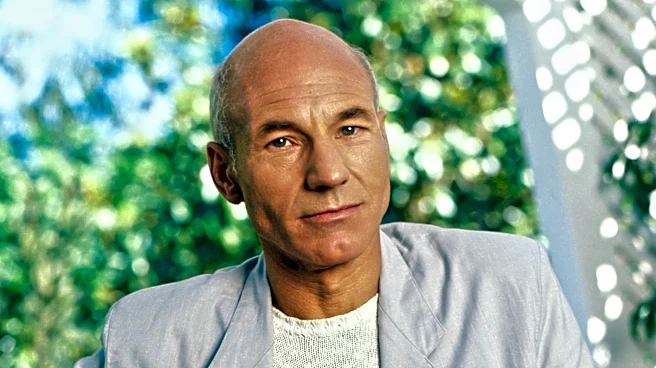
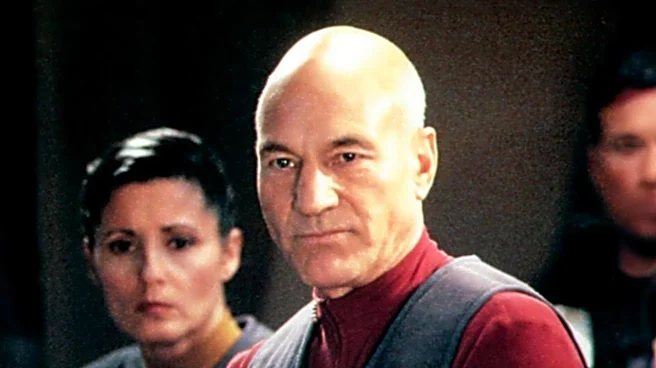
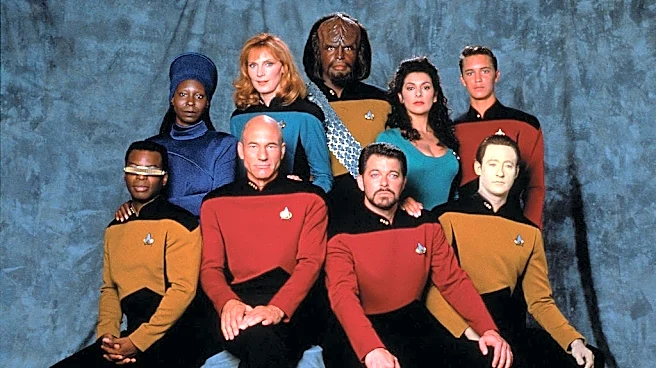
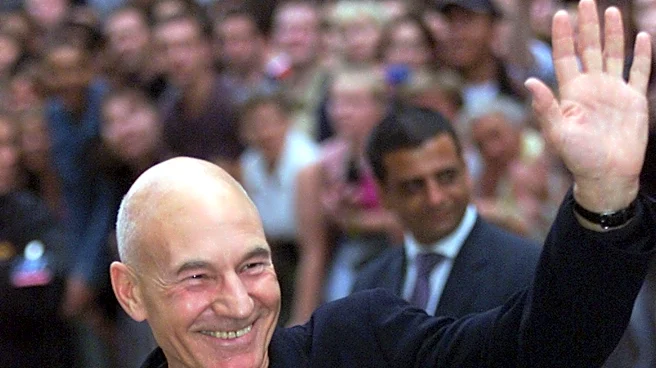
William Shatner, known for his role as Captain James T. Kirk in the original 'Star Trek' series and six subsequent films, has expressed profound sadness following the recent deaths of fellow cast members Walter Koenig and Patrick Stewart. Koenig, who
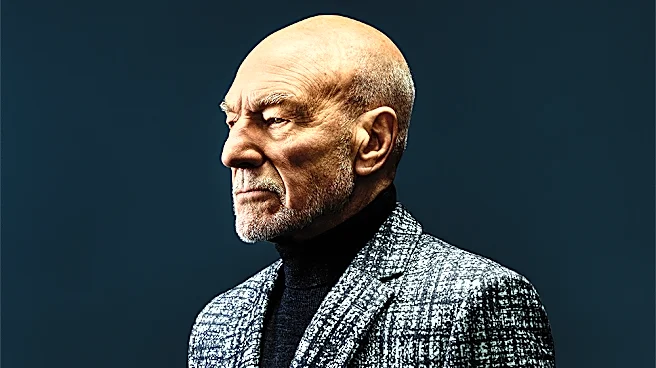
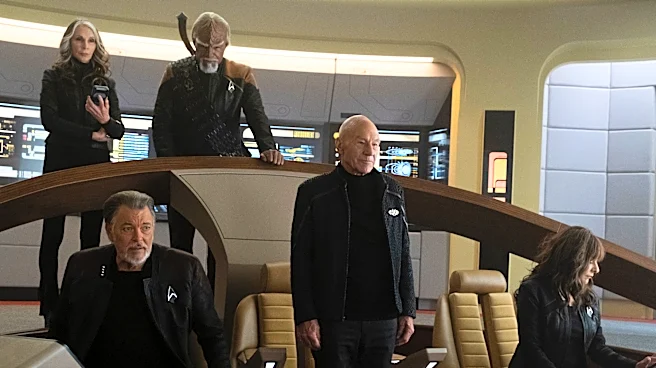
played Ensign Pavel Chekov, passed away at 90, and Stewart, who portrayed Captain Jean-Luc Picard, died at 86. Shatner described the week as 'heartbreaking.' These losses leave Shatner and George Takei (Hikaru Sulu) as the only surviving members of the original 'Star Trek' cast. The 'Star Trek' universe is currently experiencing a period of transition, with a decade-long streaming run of new content concluding and Paramount, the franchise's long-time steward, entering a new corporate era. Fans globally are actively discussing the future of the saga, often engaging in debates about the fictional universe's adherence to its established rules, known as 'canon.'
Why It's Important?
The passing of prominent 'Star Trek' actors like Walter Koenig and Patrick Stewart marks a significant moment for the franchise and its dedicated fanbase. These individuals were central to the cultural impact of 'Star Trek,' which has influenced society in numerous ways, from inspiring technological advancements like flip phones to popularizing phrases that have entered common lexicon. The franchise has consistently championed themes of diversity, optimism, and a more equitable future, making it a unique cultural touchstone. The current corporate shifts at Paramount and the conclusion of a significant streaming content era raise questions about the future direction and accessibility of new 'Star Trek' stories. The strong fan engagement, often seen in online forums, underscores the deep emotional connection and intellectual investment many have in the series' themes and characters, highlighting its enduring relevance beyond mere entertainment.
What's Next?
The 'Star Trek' franchise faces an uncertain future as its current streaming content cycle concludes and Paramount undergoes corporate changes. While specific new projects are not detailed, the strong global fanbase suggests continued demand for new stories and explorations within the 'Star Trek' universe. The ongoing discussions among fans about 'canon' and the future direction of the franchise indicate a desire for continuity and thoughtful expansion of its established lore. The remaining original cast members, William Shatner and George Takei, continue to be active in the public eye, maintaining a connection to the franchise's roots. Their continued presence, alongside the legacy of those who have passed, will likely influence how future iterations of 'Star Trek' are received and developed, as the franchise navigates its next chapter in a changing media landscape.
Beyond the Headlines
The recent losses within the 'Star Trek' family underscore broader themes of mortality and legacy within long-running cultural phenomena. 'Star Trek' has consistently explored aging and mortality within its narratives, particularly in recent productions like 'Star Trek: Picard,' reflecting a mature engagement with these universal human experiences. Despite these somber reflections, the core ethos of 'Star Trek' remains one of optimism and the enduring spirit of humanity, or rather, sentient life across the galaxy. The franchise's ability to adapt and continue, as noted by William Shatner, suggests its themes of exploration, diversity, and hope resonate deeply and transcend individual actors or specific eras. This enduring appeal highlights 'Star Trek's' role not just as entertainment, but as a modern myth-making endeavor that continually reflects and shapes societal aspirations for a better future.