




What's Happening?
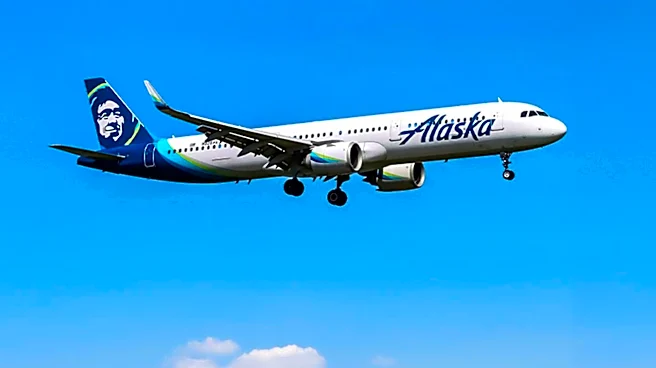
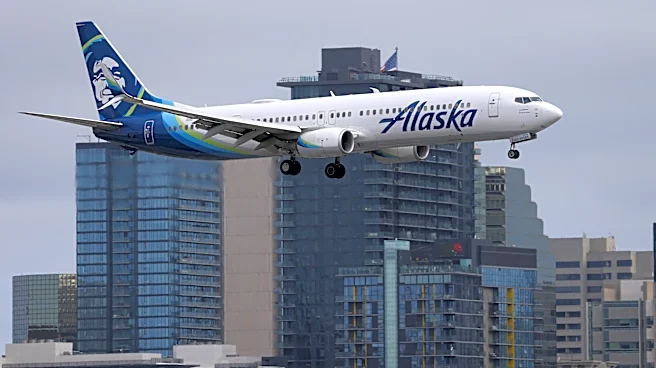
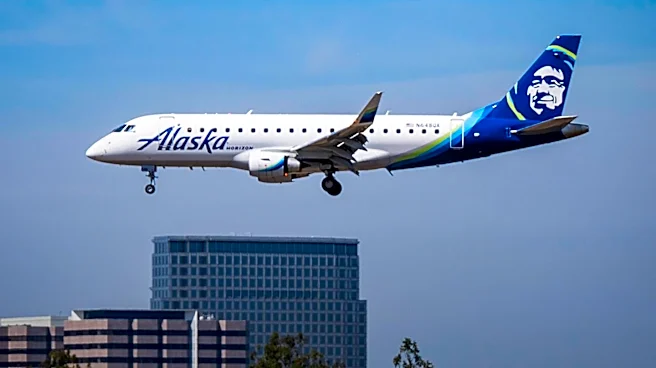
Alaska Air Group, the parent company of Alaska Airlines and Hawaiian Airlines, is implementing job cuts affecting approximately 200 non-contract positions. This decision comes as CEO Ben Minicucci has warned employees of a potential adjusted pretax annual
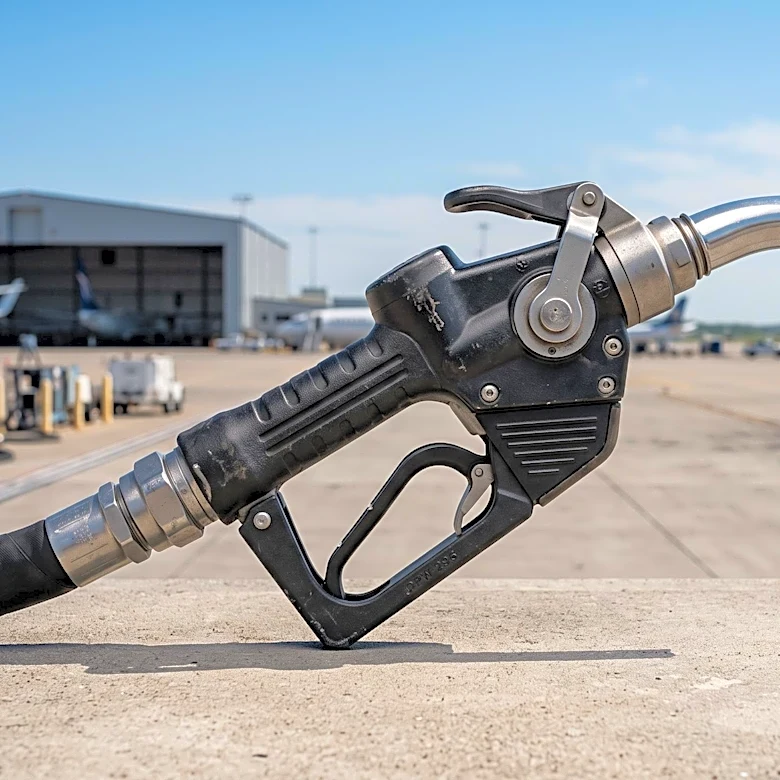
loss of up to $700 million for the company, marking its first such loss outside of the pandemic since 2003. The job reductions include 125 positions in Washington and 48 in Hawaii, primarily impacting non-frontline, non-management roles. Affected employees will conclude their work on November 13 but will continue to receive pay through December 31, along with severance and other support. The company attributes the financial strain partly to higher fuel costs, which are projected to be $1.8 billion above original annual plans, and partly to an acknowledgment from Minicucci that overhead expenses have grown disproportionately to revenue in recent years. Despite a 14% increase in third-quarter revenue to $4.3 billion, this commercial growth has not been sufficient to achieve the expected annual profit.
Why It's Important?
This development is significant for the U.S. airline industry as it highlights the ongoing financial pressures faced by major carriers, even those pursuing expansion strategies. The potential $700 million loss for Alaska Air Group underscores the volatility of operating costs, particularly fuel prices, which can severely impact profitability. The acknowledgment of rapidly growing overhead costs also points to internal management challenges within large corporations, suggesting a need for stricter financial discipline. For employees, these job cuts, though representing less than 1% of the group's 32,500 workforce, signify job insecurity and the direct impact of corporate financial adjustments. Investors and stakeholders will be closely watching how Alaska Air Group balances cost-cutting measures with its ambitious international expansion plans, as a misstep could affect its competitive standing and long-term growth prospects in the highly competitive airline market.
What's Next?
Alaska Air Group plans to continue investing in its fleet, customer experience, and network, while simultaneously tightening spending in other areas. This dual strategy aims to restore financial discipline without completely halting growth initiatives. The company will need to demonstrate that its expansion efforts can lead to sustainable earnings, especially as it navigates high fuel costs and internal overhead challenges. Stakeholders will be observing whether these job cuts and cost-saving measures are sufficient to mitigate the projected losses and return the company to profitability. Further adjustments to its international expansion strategy may be considered if demand or achievable fares do not justify current investments. The airline's management will likely face increased scrutiny regarding its ability to manage operational costs effectively while maintaining a competitive product and network.
Beyond the Headlines
The situation at Alaska Air Group reflects a broader industry challenge where airlines must constantly adapt to fluctuating external factors like fuel prices and internal operational inefficiencies. The CEO's admission of disproportionate overhead growth raises questions about corporate governance and the effectiveness of cost controls during periods of expansion. This scenario could prompt other airlines to review their own overhead structures and financial discipline, potentially leading to similar cost-cutting measures across the sector. Furthermore, the balance between maintaining employee morale during job cuts and pursuing ambitious growth strategies presents an ethical dilemma for corporate leadership. The long-term implications could include a shift towards more lean operational models within the airline industry, with a greater emphasis on technology and automation to reduce labor costs, potentially impacting future employment trends in the sector.