





What's Happening?
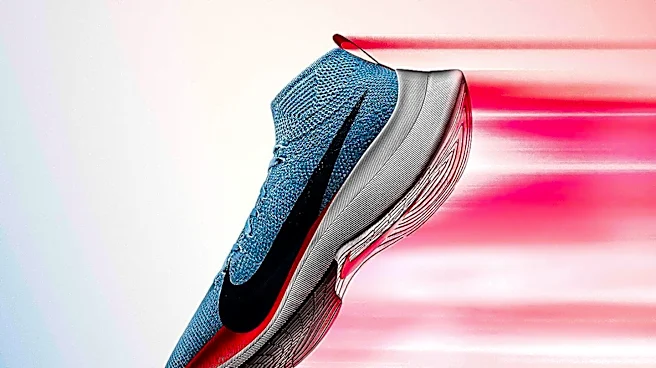
Nike is implementing a new turnaround plan focused on product innovation, strengthening ties with athletes and communities, and optimizing its supply chain. This initiative comes as the company's stock has reached a 13-year low, experiencing a more than
40% drop since the beginning of the year. CEO Elliott Hill acknowledged the company's current underperformance at its first investor event in a decade, stating, "We're not where we want to be." The company has faced several years of flat or declining sales, leading to employee concerns about potential future layoffs, which would be the fourth round since Hill assumed the CEO role in 2024. Despite an initial dip following the plan's announcement, shares have since shown some recovery. The strategy projects flat or lower revenue for the next two years, with an anticipated $5 billion in additional revenue by 2031, driven by performance sports and sportswear brands. Additionally, combined sales of key footwear like the Air Jordan 1, Air Force 1, and Converse Chuck Taylor are expected to decrease significantly, prompting a strategic shift away from over-reliance on a few products.
Why It's Important?
This turnaround plan is crucial for Nike as it grapples with significant financial challenges, including a substantial stock decline and stagnant sales. The company's performance directly impacts its vast global workforce, investors, and the broader athletic apparel market. A successful turnaround could re-establish Nike's market dominance and investor confidence, while failure could lead to further financial instability and job losses. The strategic shift away from over-reliance on iconic but declining product lines like certain Jordan and Converse shoes indicates a recognition of changing consumer preferences and market dynamics. This move could influence how other major apparel companies approach product diversification and brand management. Furthermore, Nike's plans to increase product design in China and expand its presence in India highlight the growing importance of international markets for major U.S. corporations, signaling potential shifts in global manufacturing and sales strategies.
What's Next?
Nike anticipates a period of flat or declining revenue for the next two years as it implements its turnaround strategy. Following this initial phase, the company projects a return to growth, aiming for an additional $5 billion in revenue by 2031, primarily from its performance sports and sportswear divisions. The company plans to reduce its sales of Jordan shoes and reposition the Converse brand around its core Chuck Taylor and Jack Purcell designs. In China, Nike intends to increase local product design and enhance its live streaming efforts to boost sales, which have seen a decline from $8 billion in 2021 to $6 billion this year. Furthermore, Nike aims to triple its business in India within the next five years, indicating a significant focus on emerging markets. Employees may face further layoffs as the company streamlines operations, marking the fourth such instance under CEO Elliott Hill.
Beyond the Headlines
Nike's current struggles and strategic pivot reflect broader shifts in the consumer market, particularly the rapid evolution of fashion trends and the increasing competition from agile, digitally native brands. The company's acknowledgment of over-reliance on a few flagship products underscores a common challenge for established brands: maintaining innovation and relevance in a fast-paced industry. The emphasis on closer ties to athletes and communities suggests a return to core brand values, potentially signaling a shift from mass-market appeal to more targeted, authentic engagement. The focus on expanding in China and India also highlights the ongoing geopolitical and economic importance of these regions for global corporations, necessitating localized strategies and product development. This situation could serve as a case study for how legacy brands adapt to market disruptions, technological advancements, and evolving consumer expectations in the coming years.