

What's Happening?
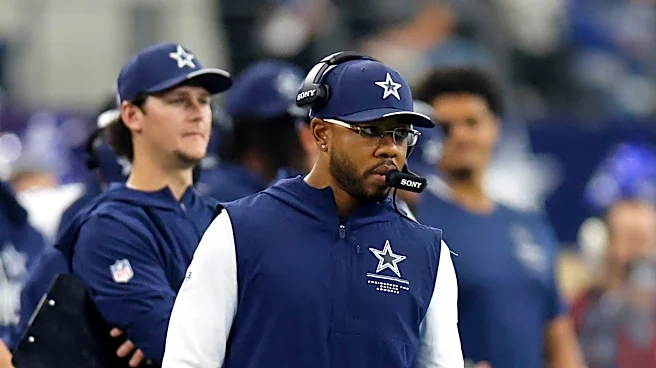
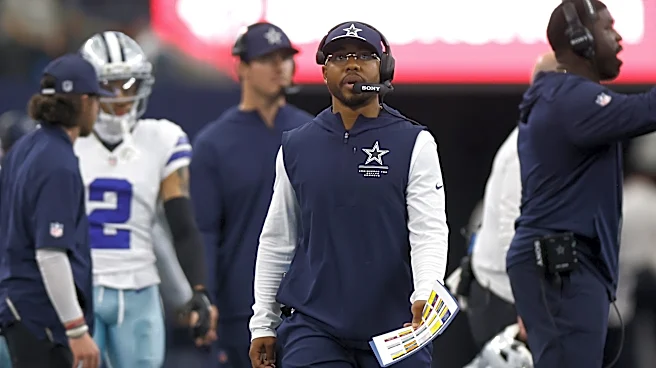
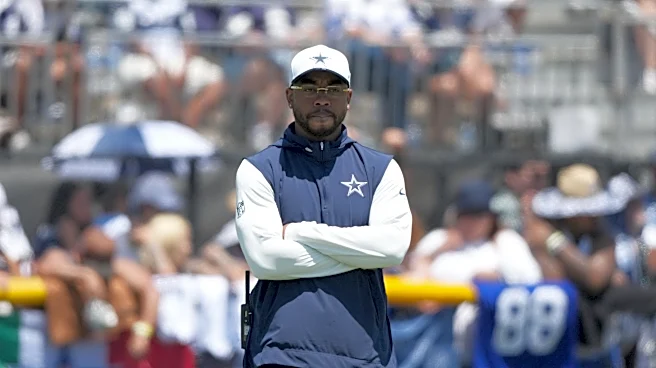
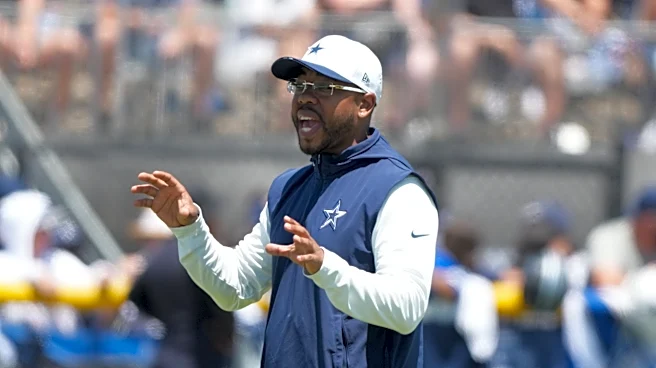
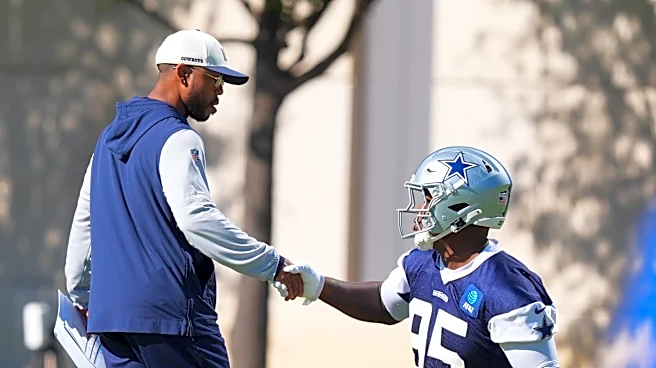
The Dallas Cowboys have made a significant change to their defensive coaching staff, with Mike Pettine taking over play-calling duties from Christian Parker. This decision comes after the team's 46-40 Week 10 loss to the San Francisco 49ers, where the Cowboys'
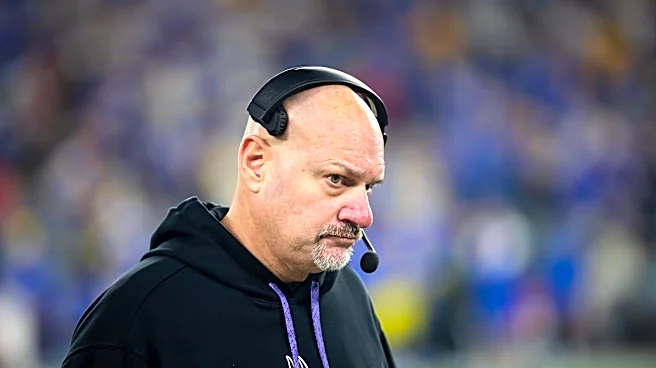
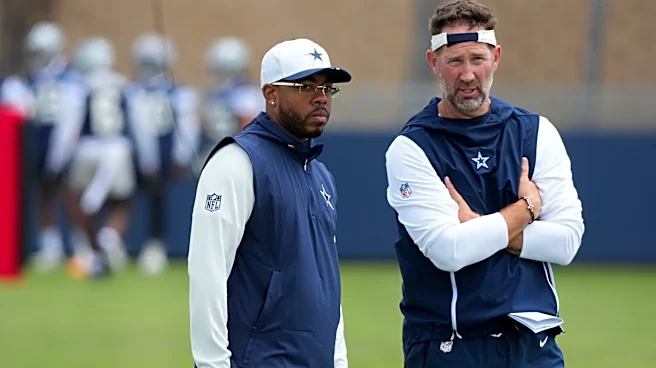
defense allowed 584 yards of offense. The move was first communicated to the coaching staff and team before being announced to the media. Pettine, who joined the Cowboys staff to assist Parker, expressed that while it's a difficult situation for his friend, the NFL is a results-oriented business. Parker acknowledged the decision as a "significant" disappointment and initially considered not staying on staff. Despite the change, Parker will remain the leader of the defense and maintain a large role in weekly preparations. Pettine indicated that while there will be "subtle" changes in play-calling, the overall defensive philosophy will remain largely the same. Both Pettine and Parker will coach from the sidelines, with secondary coach Ryan Smith serving as the primary eyes in the booth.
Why It's Important?
This coaching change highlights the high-stakes nature of professional football, where performance directly impacts job security and strategic roles. For the Dallas Cowboys, a team with significant national attention and high expectations, a struggling defense necessitates immediate action. The decision to shift play-calling responsibilities aims to improve defensive performance and potentially salvage the team's season. The dynamic between Pettine and Parker, who are close friends, demonstrates the professional challenges within sports, where personal relationships must navigate professional demands. The move also signals a potential shift in defensive strategy, with Pettine emphasizing the importance of affecting the quarterback to disrupt opposing offenses. This change could influence the team's ability to compete in a quarterback-driven league and impact their playoff aspirations, affecting fan morale and the team's financial performance through ticket sales and merchandise.
What's Next?
Following the change, the immediate focus for the Cowboys' defense will be on integrating Pettine's play-calling style and seeing how it translates to on-field performance. Pettine plans to implement "subtle" changes rather than a complete overhaul, suggesting a gradual adaptation. The team will need to quickly adjust to the new dynamic between Pettine and Parker, ensuring seamless communication and execution during games. The effectiveness of this change will be closely scrutinized in upcoming matchups, as the Cowboys aim to improve their defensive statistics and secure more wins. The performance of the defense under Pettine's leadership will likely determine the long-term coaching structure and could influence future personnel decisions. Both coaches will be on the sidelines, allowing for more direct, in-person adjustments during games, which could be a key factor in their immediate success.
Beyond the Headlines
The decision to change defensive play-callers mid-season reflects the intense pressure and results-driven culture prevalent in professional sports. Beyond the immediate tactical adjustments, this situation underscores the complex interpersonal dynamics within coaching staffs, particularly when close relationships are involved in professional demotions. Parker's initial consideration of leaving the staff highlights the emotional toll such decisions can take on individuals, even in a highly professional environment. The public nature of this change also puts both coaches under increased scrutiny, with every defensive play now being analyzed through the lens of this transition. This event could serve as a case study in leadership and resilience within sports, demonstrating how individuals navigate adversity and maintain professionalism under challenging circumstances. The long-term impact on the Cowboys' defensive identity and future coaching staff composition will be a significant storyline to watch.