



What's Happening?
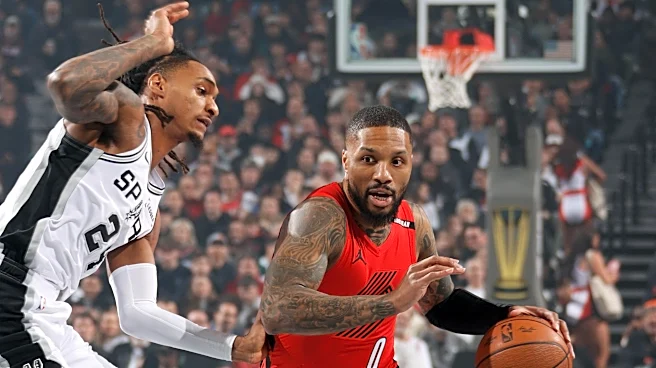
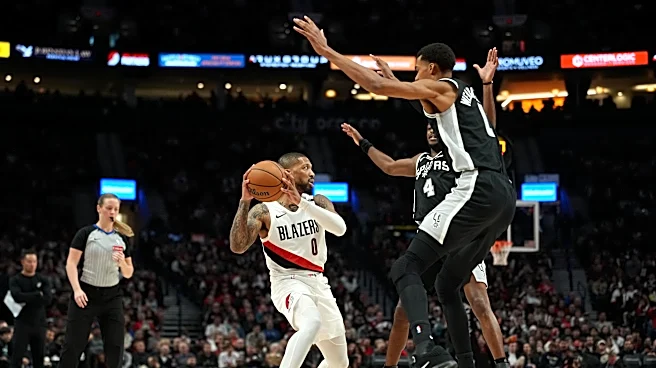
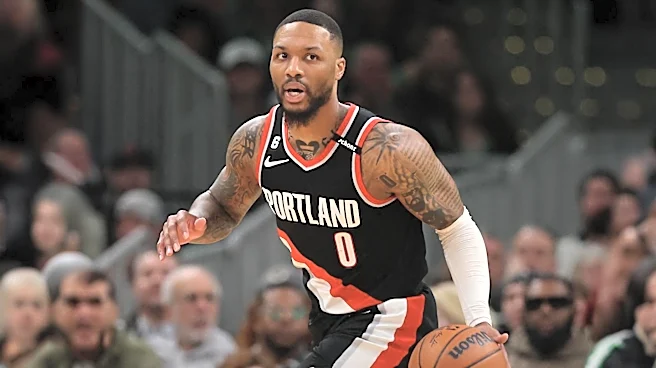
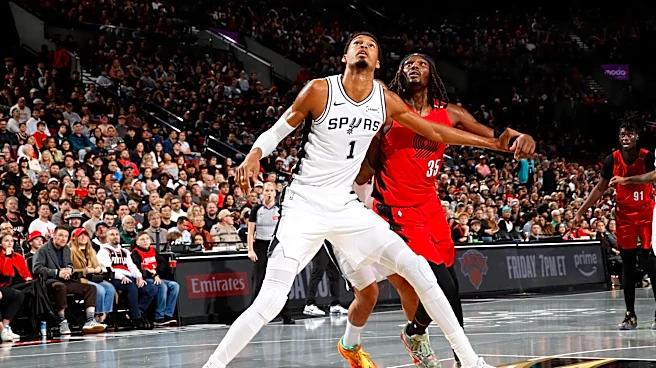
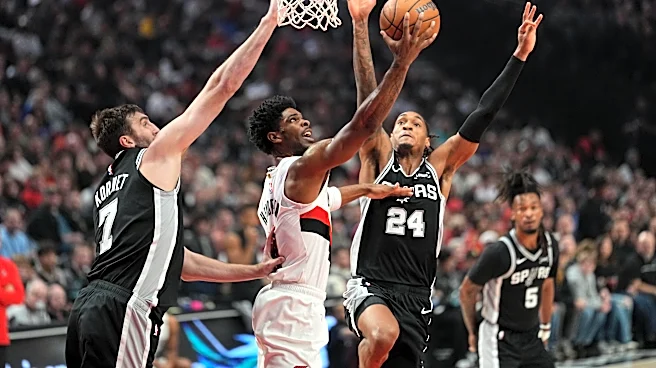
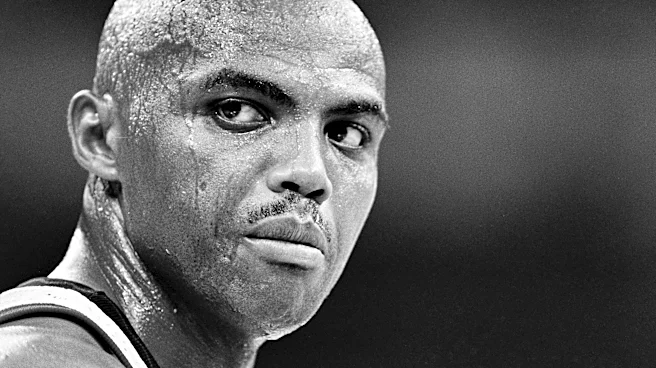
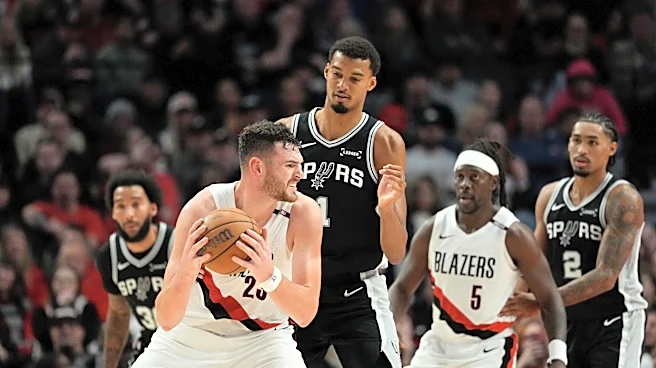
NBA Hall of Famer Charles Barkley has lauded Portland Trail Blazers forward Deni Avdija following his game-winning performance against the San Antonio Spurs. Avdija recorded a double-double with 33 points and 12 rebounds, along with seven assists and two
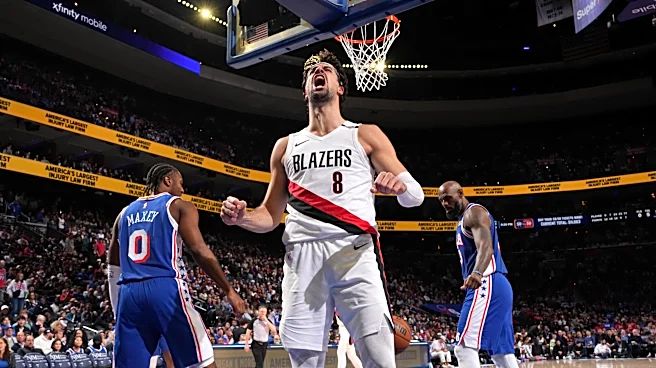
steals, shooting 52.4% from the field. Barkley compared Avdija's aggressive offensive style to Drazen Petrovic, highlighting his fearlessness and confidence in crucial moments. The performance contributed to the Blazers' back-to-back wins against top contenders, including the Philadelphia 76ers and the Spurs, keeping them in contention for a wild-card spot in the 2026-27 NBA Cup. Barkley expressed surprise and criticism regarding the Washington Wizards' decision to trade Avdija, stating that many teams 'don't know what the hell they're doing' and suggesting Avdija would be the best player on the Wizards currently. Avdija, drafted ninth overall by the Wizards in 2020, was traded to the Blazers in his second year of a four-year, $55 million extension, in exchange for Bub Carrington, Malcolm Brogdon, and multiple draft selections.
Why It's Important?
This commentary from a prominent NBA analyst like Charles Barkley carries significant weight within the basketball community, influencing public perception of players and team management. Barkley's strong endorsement of Avdija could elevate the player's profile and confidence, potentially impacting his future performance and market value. Conversely, his criticism of the Washington Wizards' front office decisions could intensify scrutiny on their player development and trade strategies. For the Portland Trail Blazers, Avdija's stellar play and Barkley's praise validate their acquisition, suggesting a successful trade that could bolster their competitiveness in the Western Conference. The trade itself highlights the high-stakes nature of NBA team building, where decisions about young talent can significantly alter a franchise's trajectory. The Wizards' decision to part with a player now receiving such high acclaim raises questions about their long-term vision and ability to identify and retain key talent, potentially affecting fan morale and future recruitment efforts.
What's Next?
Following this high-profile performance and endorsement, Deni Avdija will likely continue to be a focal point for the Portland Trail Blazers, with increased expectations for his role and impact on the team's success. His continued strong play could solidify his status as a rising star in the league, potentially leading to further accolades and recognition. For the Washington Wizards, the ongoing success of Avdija with the Blazers may intensify internal and external pressure on their management to justify past trade decisions and demonstrate a clear path forward for their roster. The Blazers, with Avdija's contributions, will aim to maintain their momentum and secure a playoff berth, with his performance being crucial to their aspirations. The trade's long-term implications for both franchises will continue to unfold as Avdija's career progresses and the assets acquired by the Wizards develop.
Beyond the Headlines
The narrative surrounding Deni Avdija's trade from the Washington Wizards to the Portland Trail Blazers extends beyond typical player transactions, touching upon themes of player valuation, team philosophy, and the unpredictable nature of sports development. Barkley's comments underscore a common critique in professional sports: the difficulty teams face in accurately assessing and nurturing talent, sometimes leading to premature trades of players who later flourish elsewhere. This situation also highlights the psychological aspect of player performance, where a change of environment and increased opportunity can unlock a player's full potential, as Avdija appears to be experiencing in Portland. The 'no conscience' description by Barkley speaks to a mental toughness and self-belief that is crucial for success in high-pressure sports, suggesting Avdija possesses a rare competitive edge. This scenario serves as a case study for how player development and team chemistry can profoundly influence individual and collective outcomes in the NBA.