
What's Happening?
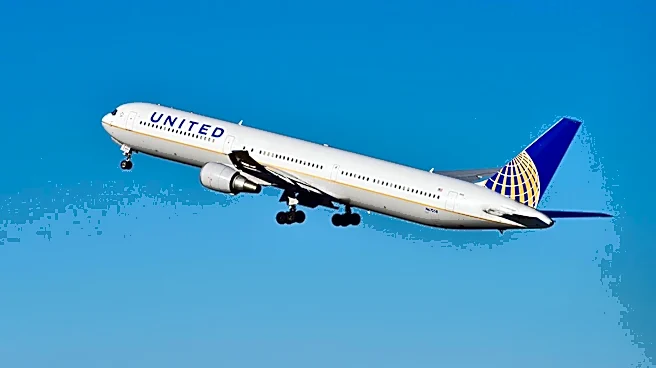
United Airlines has decided to cancel its plans to initiate flights from Chicago O'Hare International Airport to ten regional airports. This decision is attributed to the Federal Aviation Administration's
(FAA) order to cap flights at O'Hare. The airline had intended to expand its service to these regional destinations but has now retracted these plans in response to the regulatory constraints imposed by the FAA. The flight caps are part of broader efforts to manage air traffic and congestion at one of the nation's busiest airports.
Why It's Important?
The cancellation of these routes by United Airlines highlights the impact of regulatory measures on airline operations and regional connectivity. The FAA's flight caps are designed to alleviate congestion and improve safety at O'Hare, but they also limit the ability of airlines to expand services. This decision affects not only United Airlines but also the regional airports that were set to receive new connections, potentially impacting local economies and travel options for passengers. The move underscores the delicate balance between regulatory oversight and operational flexibility in the aviation industry.
What's Next?
As United Airlines adjusts its operations in response to the FAA's flight caps, other airlines may also need to reassess their strategies at O'Hare. The FAA's regulations could prompt discussions among airlines and regulators about how to best manage airport capacity while supporting growth and connectivity. Stakeholders, including regional airports and local governments, may seek alternative solutions to maintain and enhance air service in their areas. The situation may also lead to broader industry discussions on infrastructure investments and policy adjustments to accommodate future demand.