





What's Happening?
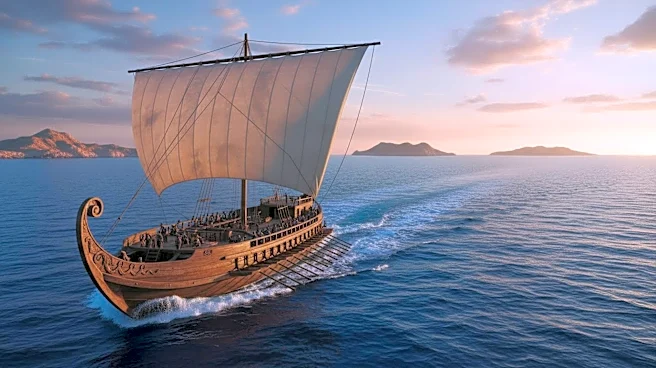
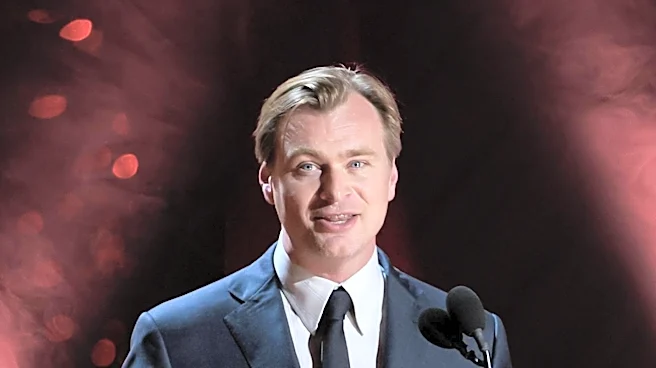
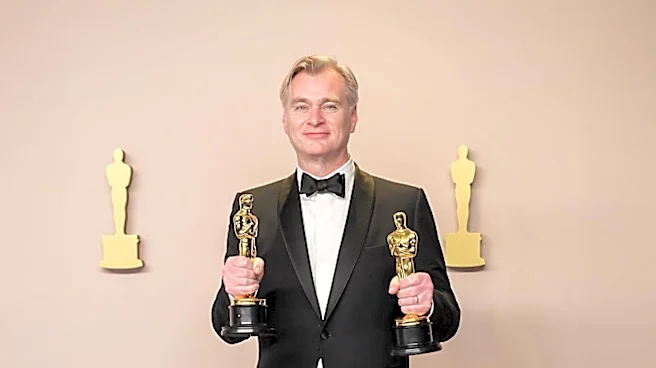
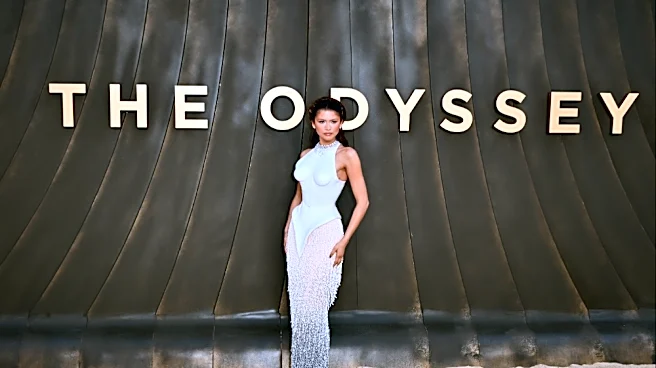
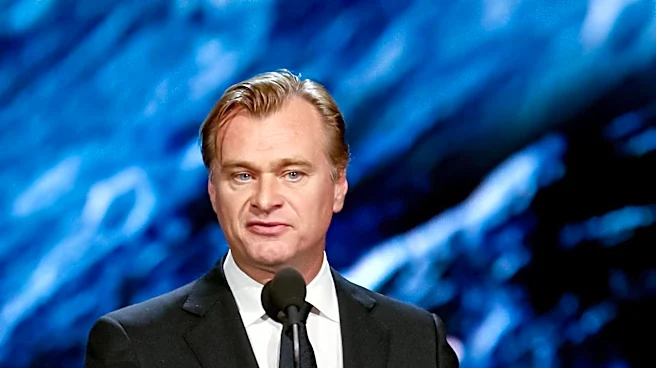
Christopher Nolan, the acclaimed director, has addressed criticisms regarding his upcoming film 'The Odyssey,' which features contemporary dialogue despite being an adaptation of Homer's ancient Greek epic. The film, described as a 'mythic action epic,'
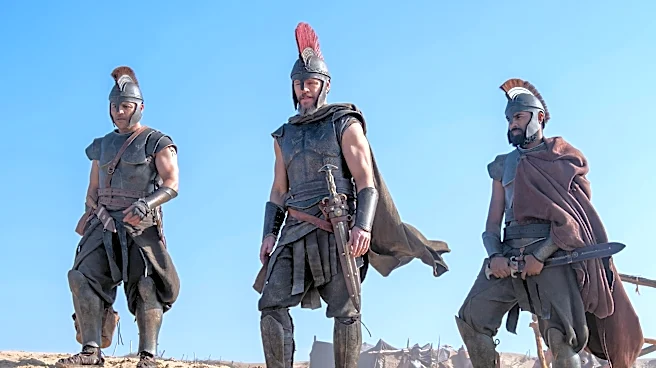
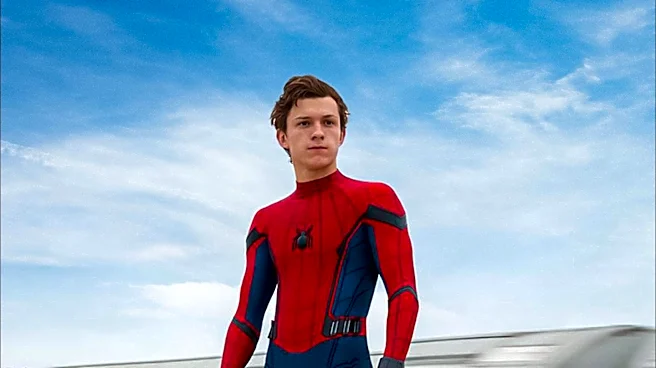
stars Matt Damon as Odysseus and includes a cast of well-known actors such as Tom Holland, Robert Pattinson, and Zendaya. The decision to use modern language has sparked debate about the film's historical accuracy, especially after the release of a trailer that showcased characters in anachronistic attire. Nolan explained that his choice was driven by a desire to create an 'earthy narrative' with language that resonates emotionally with modern audiences. He acknowledged that this decision might be controversial but emphasized the importance of making the story accessible to contemporary viewers.
Why It's Important?
The use of contemporary dialogue in 'The Odyssey' highlights a broader trend in filmmaking where directors balance historical authenticity with modern storytelling techniques to engage audiences. Nolan's approach underscores the challenges filmmakers face in adapting classic literature for today's viewers, who may not be familiar with the original context. This decision could influence future adaptations of historical and mythological stories, potentially leading to a shift in how such narratives are presented. The film's reception may impact the careers of the actors involved and Nolan's reputation as a director known for his attention to detail and innovative storytelling.
What's Next?
As 'The Odyssey' approaches its release date on July 17, 2026, the film's reception will be closely watched by industry insiders and audiences alike. Reactions from critics and viewers will likely shape discussions about the balance between historical accuracy and creative license in film adaptations. If successful, Nolan's approach could pave the way for similar adaptations, encouraging filmmakers to experiment with blending modern elements into classic tales. Conversely, if the film faces significant backlash, it may prompt a reevaluation of how such stories are adapted for the screen.