

What's Happening?
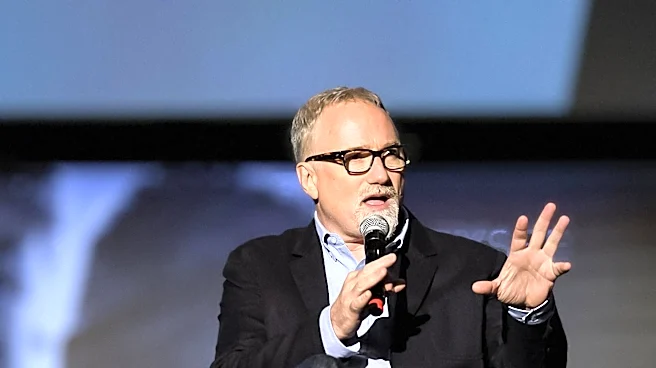
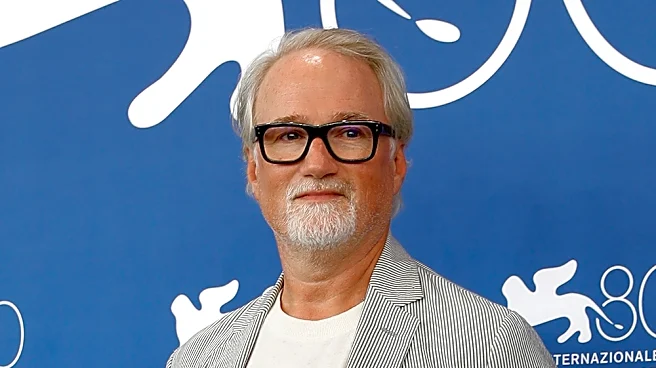
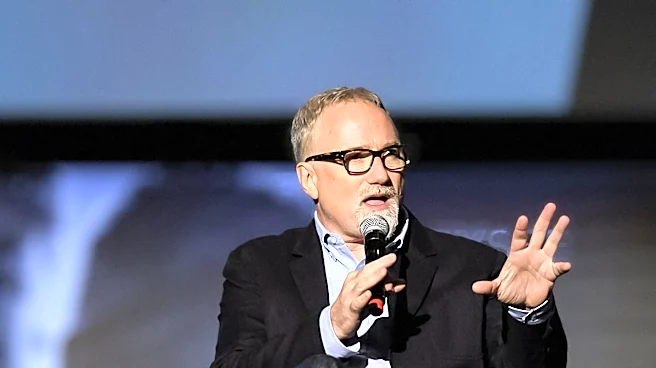
Director David Fincher has confirmed that artificial intelligence (AI) was utilized in the post-production of his latest film, 'The Further Mis-Adventures of Cliff Booth.' In an interview on The Ringer’s 'Big Picture' podcast, Fincher explained that AI was primarily
used to enhance the work of human beings, specifically to synchronize the best line readings with the best performance takes when they did not align on camera. He noted that only about 5% of the film's dialogue replacement was automated, with the rest being handled by AI. Fincher views AI as a tool that offers creative freedom, allowing filmmakers to perfect visual and auditory elements independently. He also suggested that AI could reduce the number of takes required on set by ensuring technical perfection, such as focus and minor visual details, while still relying on human performances for core actions and movements. These comments follow early screenings where viewers noted instances of generative AI use, including a scene with a horse carriage appearing to have two wagons.
Why It's Important?
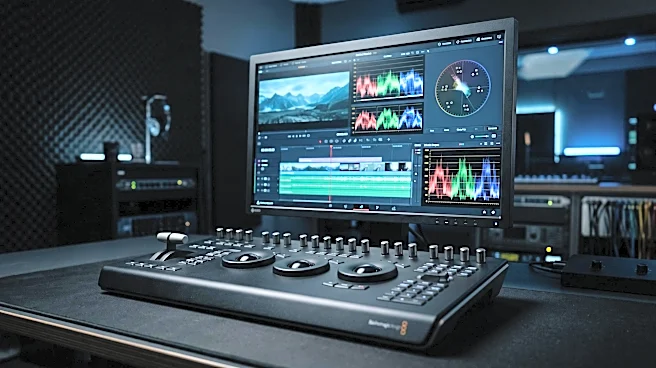
Fincher's admission highlights a growing trend and debate within the film industry regarding the integration of AI. His perspective suggests that AI can be a valuable tool for refining cinematic output and streamlining production processes, potentially leading to more efficient filmmaking and higher technical quality. This could significantly impact post-production workflows, reducing the time and resources traditionally spent on tasks like automated dialogue replacement (ADR) and visual corrections. However, the use of AI also raises concerns among audiences and industry professionals about its ethical implications and potential to diminish the human element in filmmaking. The visible instances of AI use, such as the double-wagon carriage, underscore the current limitations and potential pitfalls of the technology, which could affect audience perception and the artistic integrity of films. As Netflix, which distributed Fincher's film, has also invested heavily in AI tools and used generative AI in over 300 programs, this development signals a broader industry shift towards AI adoption.
What's Next?
The discussion surrounding AI in 'The Further Mis-Adventures of Cliff Booth' is likely to intensify the ongoing conversation about AI's role in creative industries. Filmmakers and studios may increasingly explore AI tools for post-production, aiming for greater efficiency and technical precision. This could lead to further investment in AI development for film, potentially accelerating its integration into various stages of production. However, audience and critical reception to AI-enhanced films will be crucial in shaping future adoption. If visible AI anomalies continue to appear, it could lead to a backlash, prompting studios to refine their AI implementation or be more transparent about its use. The industry may also see increased calls for guidelines or regulations regarding AI use to address concerns about job displacement for human artists and technicians, as well as the authenticity of cinematic creations. The debate will likely continue to evolve as AI technology advances and its applications become more sophisticated.
Beyond the Headlines
The use of AI in filmmaking, as exemplified by Fincher's film, touches upon deeper ethical and philosophical questions about art and technology. While Fincher sees AI as a tool to enhance human creativity and efficiency, critics worry about the potential erosion of traditional filmmaking crafts and the authenticity of the artistic process. The ability of AI to seamlessly alter performances or visual elements blurs the lines between reality and digital manipulation, raising questions about what constitutes a 'human-made' film. This development could lead to a redefinition of authorship and creative control in cinema, as AI tools become more sophisticated and autonomous. Furthermore, the economic implications are significant; while AI might reduce certain production costs, it could also displace jobs for visual effects artists, editors, and other post-production specialists. The industry will need to grapple with balancing technological advancement with the preservation of human artistry and employment, potentially leading to new models of collaboration between humans and AI in the creative process.