




What's Happening?
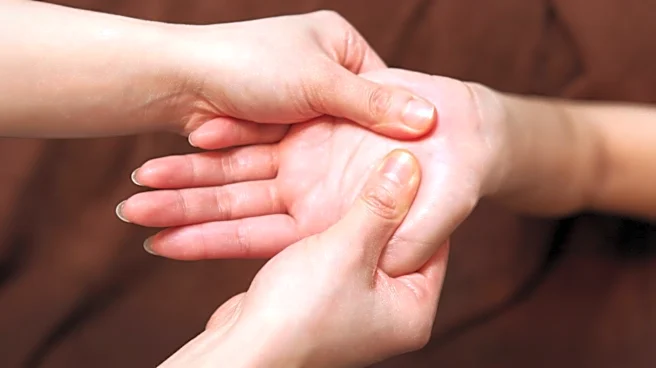
Lymphatic drainage massage is a therapeutic technique involving gentle manipulation to redirect excess fluid buildup from tissues towards functional lymph vessels and nodes. This specialized massage is employed to alleviate swelling and inflammation associated
with various conditions, including lymphedema, often seen after breast cancer surgery, chronic venous insufficiency, fibromyalgia, injuries, lipedema, and rheumatoid arthritis. The method focuses on reducing inflammation, enhancing circulation, bolstering the immune system, and promoting relaxation. It is a non-invasive treatment that can be customized to individual needs, proving particularly beneficial post-surgery or for managing chronic swelling. The Warwick Spa, for instance, highlights its role in pre- or post-travel wellness routines, emphasizing its gentle approach to relaxation. While beneficial for specific conditions, it is not a universal remedy for all types of swelling, and persistent or unexplained swelling should be medically evaluated.
Why It's Important?
The lymphatic system is crucial for maintaining fluid balance and supporting immune function within the body. Lymphatic drainage massage directly impacts these vital processes by facilitating the movement of lymph fluid, which carries waste products and immune cells. This makes the technique significant for individuals suffering from conditions that impair lymphatic function or cause fluid retention. For patients recovering from surgery, especially those with lymphedema, this massage can significantly reduce discomfort and improve quality of life by managing swelling. Furthermore, its ability to enhance circulation and strengthen the immune system offers broader health benefits, potentially aiding in faster recovery from injuries and improving overall well-being. The non-invasive nature of the treatment also makes it an accessible option for many seeking relief from chronic swelling and inflammation, contributing to a holistic approach to health management.
What's Next?
As awareness of lymphatic drainage massage grows, its integration into broader wellness and post-operative care routines is likely to expand. Healthcare professionals may increasingly recommend it as a complementary therapy for conditions involving fluid retention and inflammation. Further research could also refine techniques and identify new applications, potentially leading to more standardized protocols for its use in various medical contexts. For individuals, understanding when and how to incorporate lymphatic drainage massage into their self-care routines, especially around events like travel or post-surgical recovery, will become more common. Spa and wellness centers are expected to continue offering and promoting these services, emphasizing personalized approaches to meet diverse client needs. However, continued emphasis on medical consultation for unexplained or persistent swelling will remain crucial to ensure appropriate treatment and avoid misdiagnosis.
Beyond the Headlines
Beyond its immediate therapeutic benefits, lymphatic drainage massage underscores a growing societal interest in holistic health and preventative care. The focus on gentle, non-invasive methods reflects a broader trend towards treatments that support the body's natural healing processes rather than solely relying on pharmaceutical interventions. This approach can empower individuals to take a more active role in managing their health and well-being. Ethically, it highlights the importance of distinguishing between general wellness practices and medical treatments, ensuring that individuals seek professional medical advice for serious conditions. Culturally, the increasing popularity of such specialized massages indicates a shift towards valuing self-care and body maintenance as integral components of a healthy lifestyle, moving beyond traditional views of massage as merely a luxury. This also opens discussions about the accessibility of such specialized treatments and their potential role in public health initiatives.