

What's Happening?
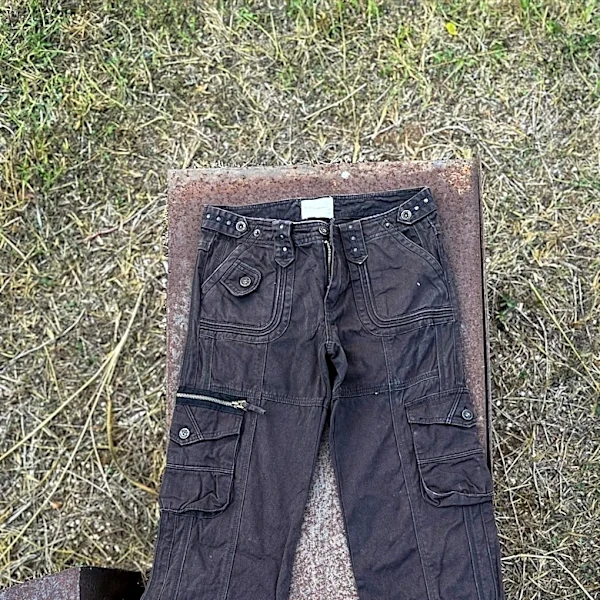
Camouflage, originally designed for military disguise, has solidified its position as a recurring and versatile fashion trend. Designers are moving beyond traditional army fatigues, reinterpreting camouflage as a print, texture, and surface that can be distorted,
softened, enlarged, or entirely reinvented. For upcoming seasons, this concept is expanding to include floral, astral, woodland, and digital interpretations of the pattern. Its enduring appeal stems from its ability to suggest utility and toughness, while also functioning as a recognizable fashion statement. The classic woodland camouflage, with its muted greens, browns, khakis, and grays, acts almost like a neutral, easily pairing with various other fabrics and prints. This combination of familiarity and versatility ensures its consistent return to runways and street style.
Why It's Important?
The continued prominence of camouflage in fashion reflects broader trends in consumer preferences and design innovation. Its adaptability allows designers to cater to a wide range of aesthetic tastes, from rugged utility to sophisticated abstraction. This trend impacts the textile industry, influencing production and material choices, as well as retail strategies for clothing brands. The versatility of camouflage means it can be incorporated into diverse collections, from high fashion to everyday wear, broadening its market appeal. Furthermore, its symbolic associations with toughness and attitude resonate with consumers seeking to express individuality and strength through their clothing choices. The reinterpretation of camouflage into various forms, such as floral or digital, also highlights the industry's ongoing push for novelty and creative expression within established motifs.
What's Next?
Looking ahead to upcoming fashion seasons, camouflage is expected to remain a significant element in collections. Designers will likely continue to explore innovative ways to present the pattern, moving beyond conventional military aesthetics. This could involve further experimentation with color palettes, abstract designs, and the integration of camouflage into unexpected garment types and accessories. The trend suggests a continued emphasis on versatile and adaptable fashion pieces that can be styled in multiple ways. Consumers can anticipate seeing camouflage in a broader array of interpretations, from subtle nods to bold statements, across various price points and fashion segments. The ongoing evolution of camouflage indicates its sustained relevance as a fashion staple rather than a fleeting trend.
Beyond the Headlines
The enduring appeal of camouflage in fashion extends beyond mere aesthetics, touching upon deeper cultural and psychological aspects. Its origin in military contexts imbues it with connotations of strength, resilience, and even rebellion, which can be appealing to consumers. The transformation of a pattern designed for concealment into a highly visible fashion statement presents an interesting paradox, reflecting a desire to both blend in and stand out. Historically, camouflage has also tended to appear in fashion during periods of political instability, suggesting a subconscious connection between societal anxieties and sartorial choices. This trend highlights how fashion can serve as a mirror to cultural shifts, allowing individuals to express complex sentiments through their clothing. The continuous reinterpretation of camouflage also speaks to the cyclical nature of fashion, where classic motifs are constantly reinvented to maintain relevance.