


What's Happening?
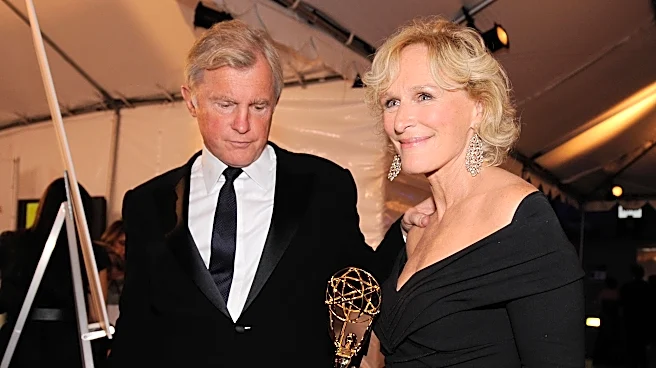
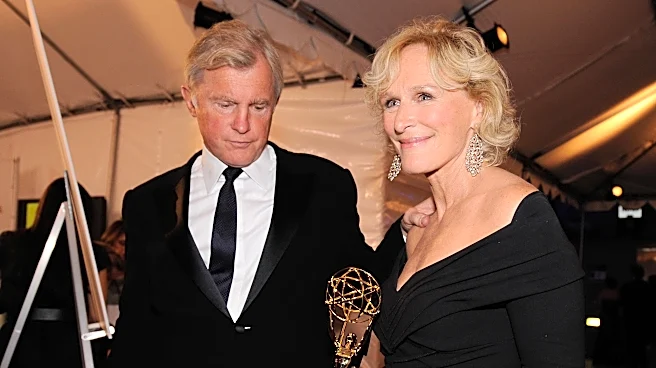
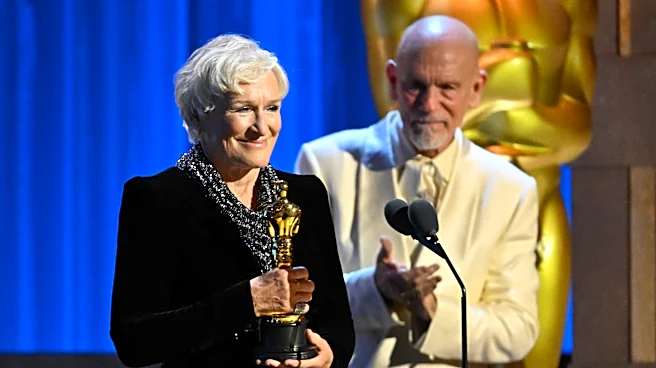
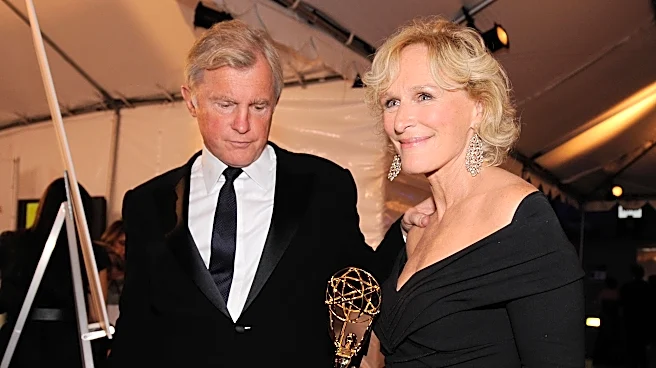
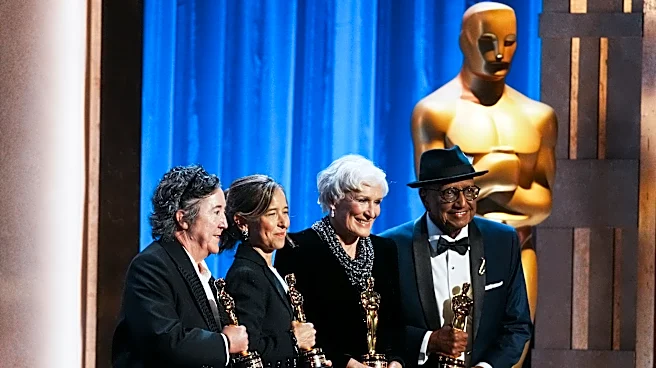
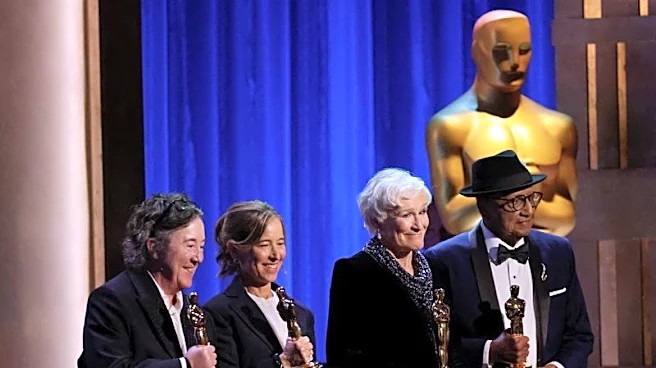
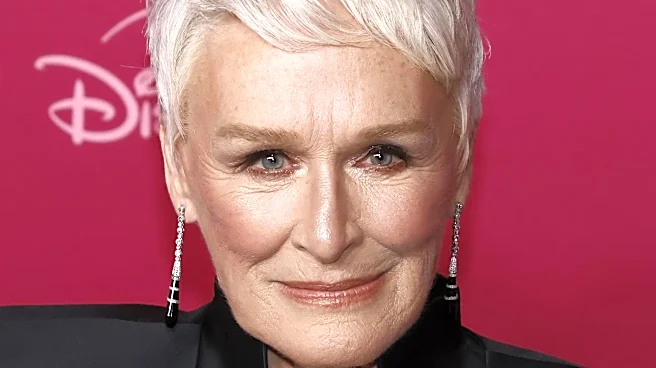
Veteran actor Glenn Close was presented with an Honorary Academy Award on November 15, following a career that includes eight Oscar nominations without a win. During her acceptance speech, the 79-year-old actor shared personal details about her upbringing,
revealing that she spent her formative years, from ages 7 to 22, under the influence of a restrictive cult. Close referred to her family's involvement with the group formerly known as Moral Re-Armament, describing the experience as making it difficult for her to process the honor due to carrying 'the epigenome of an outsider.' She recounted the strictures of the cult, which dictated behavior such as not looking in mirrors, prohibiting flirting, and specific dress and speech codes. Close explained that this environment led her to always feel like an outsider looking in. She found the strength to leave the cult in 1970, enrolling at the College of William and Mary at the age of 22, where she immediately joined the theater department and was cast in Shakespeare's 'Twelfth Night,' marking the beginning of her illustrious acting career.
Why It's Important?
Glenn Close's candid revelation during her Honorary Oscar acceptance speech offers a significant insight into the personal struggles and resilience of a celebrated public figure. Her story highlights the profound impact that early life experiences, particularly those within restrictive environments, can have on an individual's identity and perception of self, even amidst immense professional success. For the entertainment industry, her speech underscores the often-unseen personal histories that shape artists and their work. It also brings attention to the broader societal issue of cults and their psychological effects on individuals and families. Close's ability to overcome such a challenging past and achieve critical acclaim serves as an inspiring narrative of perseverance. Her openness may also encourage others who have experienced similar circumstances to share their stories and seek understanding, fostering a more empathetic dialogue around personal trauma and recovery within the public sphere.
Beyond the Headlines
Glenn Close's decision to share her past involvement with a restrictive cult during such a public and celebratory event carries deeper implications beyond a simple acceptance speech. It challenges the often-glamorized image of Hollywood success by revealing a complex personal history marked by psychological constraints. This act of vulnerability from a highly respected actor can contribute to destigmatizing discussions around cult experiences and their long-term effects, potentially encouraging greater understanding and support for survivors. Furthermore, her narrative implicitly raises questions about the resilience of the human spirit and the transformative power of art and education, as she found her path to self-expression and freedom through theater after leaving the cult. Her story also serves as a powerful reminder that public figures, despite their achievements, often carry profound personal histories that shape their perspectives and contributions, offering a more nuanced view of celebrity and personal triumph.