
What's Happening?
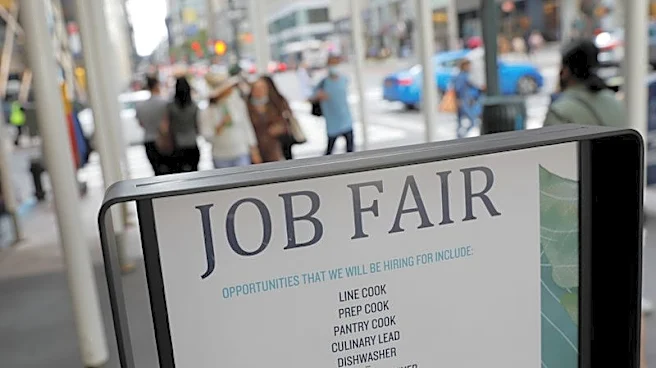
The U.S. economy unexpectedly lost 23,000 jobs in July 2026, as reported by the Bureau of Labor Statistics. This decline contrasts with the Dow Jones consensus forecast, which anticipated an increase of 83,000 jobs. Despite the job losses, the unemployment
rate decreased to 4.1%, partly due to a drop in the labor force participation rate to 61.4%, the lowest in over five years. The job losses were most pronounced in local government education, retail, and financial activities. However, healthcare and construction sectors saw modest job gains. The report also revised job figures for May and June downward, contributing to a 12-month average job growth of just 34,000.
Why It's Important?
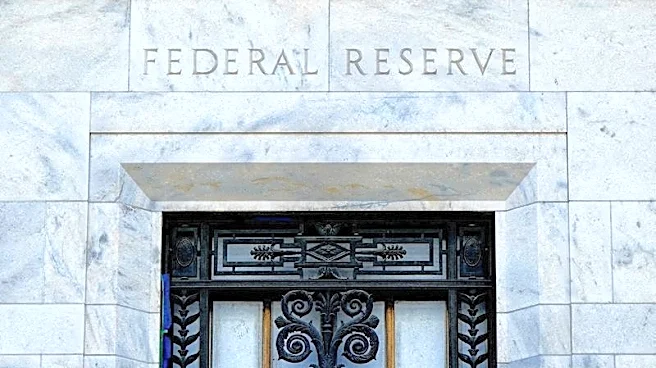
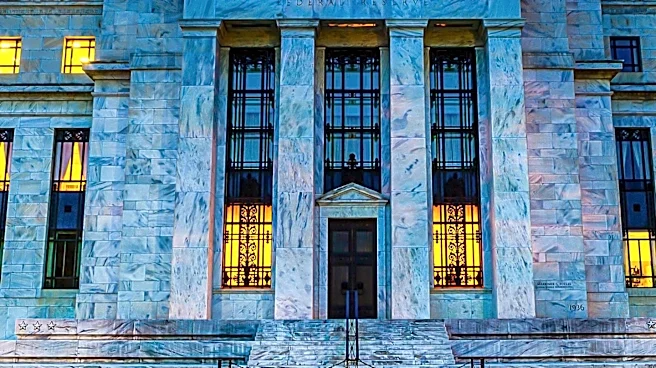
The unexpected job losses in July signal potential challenges for the U.S. economy, particularly in maintaining employment growth amid economic uncertainties. The decline in labor force participation suggests that fewer Americans are actively seeking work, which could impact consumer spending and economic growth. The job losses in key sectors like education and retail highlight vulnerabilities that may require targeted policy interventions. The Federal Reserve may need to reassess its approach to interest rates and inflation management, balancing the need to support economic recovery with controlling inflationary pressures.
What's Next?
Policymakers and economists will likely scrutinize upcoming employment data to determine if the July job losses are part of a larger trend. The Federal Reserve may consider adjusting its monetary policy to address potential economic slowdowns while managing inflation. Businesses may also reevaluate their hiring and investment strategies in response to the evolving economic landscape. The healthcare and construction sectors' job gains could provide a foundation for future growth, but broader economic stability will depend on addressing the challenges faced by other industries.