




What's Happening?
The adaptive multi-factor authentication (MFA) market is experiencing substantial growth, driven by the increasing sophistication of cyber threats and the need for more dynamic security solutions. Organizations are moving away from static authentication methods,
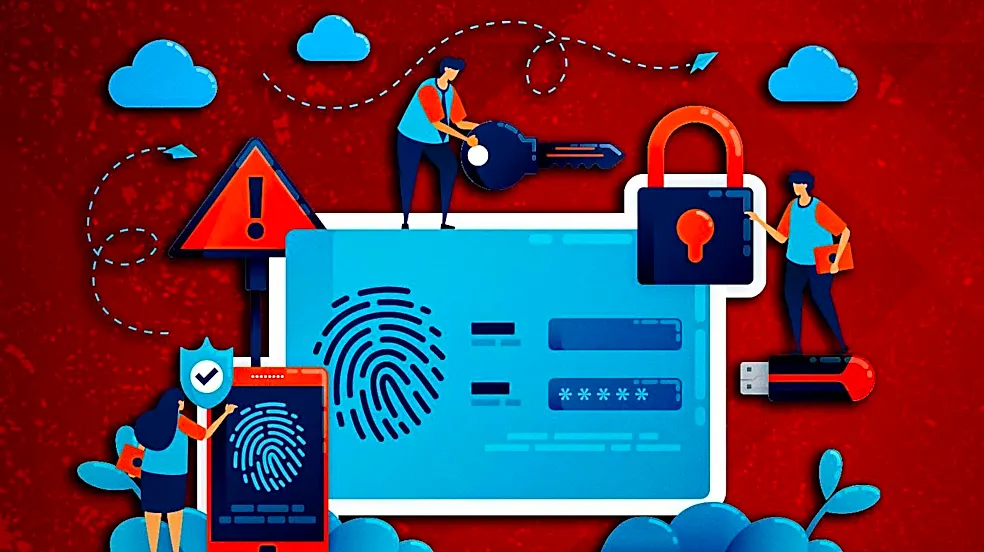
which are deemed insufficient against modern cyberattacks. Adaptive MFA provides real-time, context-aware authentication by analyzing various risk signals, such as device, location, and user behavior, to adjust authentication requirements dynamically. This shift is also fueled by the surge in digital transformation initiatives, the rise of remote work, and stricter regulatory compliance demands like GDPR, HIPAA, and PCI DSS. The proliferation of cloud services and mobile applications has created complex security environments where traditional methods fall short, making adaptive MFA a critical component of modern cybersecurity strategies. The market is seeing increased adoption of biometric modalities, including fingerprint, facial recognition, and voice authentication, as well as behavioral biometrics like keystroke dynamics, to enhance risk profiling and make authentication more intuitive.
Why It's Important?
The expansion of the adaptive MFA market signifies a critical evolution in cybersecurity, impacting U.S. industries, public policy, and economic stakeholders. For businesses, adopting adaptive MFA is no longer just an option but a necessity to protect sensitive data, maintain regulatory compliance, and build customer trust in an increasingly digital landscape. Companies that fail to implement robust, dynamic authentication risk significant financial losses from cyberattacks, reputational damage, and potential legal penalties for data breaches. The shift towards adaptive MFA also creates opportunities for technology providers specializing in AI, machine learning, and biometric solutions, fostering innovation and competition in the cybersecurity sector. Furthermore, enhanced security measures contribute to a more secure digital economy, reducing the overall risk of cybercrime and protecting consumers' personal and financial information. This trend underscores a broader recognition that security must be flexible and responsive to evolving threats, rather than relying on static, easily compromised methods.
What's Next?
Looking ahead, the adaptive MFA market is expected to continue its rapid growth, with further technological innovations on the horizon. The integration of artificial intelligence (AI) and machine learning (ML) will become even more central, enabling more nuanced and predictive risk assessments. This will allow systems to proactively identify and mitigate threats, reducing false positives and improving user experience. The proliferation of 5G and Internet of Things (IoT) devices will expand the attack surface, driving demand for adaptive solutions capable of operating across diverse and complex environments. Industry participants will likely focus on seamless integration with existing IT infrastructures, addressing privacy concerns related to biometric and behavioral data, and developing user-centric designs that balance security with convenience. Companies that invest in user-friendly, compliant, and highly integrated adaptive MFA solutions will be well-positioned to capitalize on emerging opportunities and meet the evolving demands of digital security.
Beyond the Headlines
Beyond the immediate security benefits, the widespread adoption of adaptive MFA has deeper implications for digital identity and privacy. As biometric and behavioral data become integral to authentication, ethical considerations surrounding data collection, storage, and usage will intensify. Organizations will face increased scrutiny regarding how they protect this sensitive information and ensure transparency with users. The move towards more sophisticated authentication methods also highlights a broader societal shift towards a 'zero-trust' security model, where no user or device is inherently trusted, and verification is continuous. This paradigm shift could redefine user expectations for digital interactions, making seamless yet highly secure access the norm. Furthermore, the reliance on AI and ML in adaptive MFA raises questions about algorithmic bias and the potential for discriminatory outcomes if not carefully managed, necessitating robust oversight and ethical guidelines in the development and deployment of these technologies.