
What's Happening?
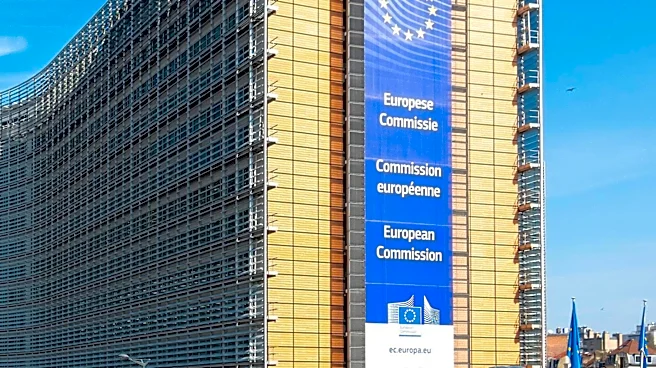
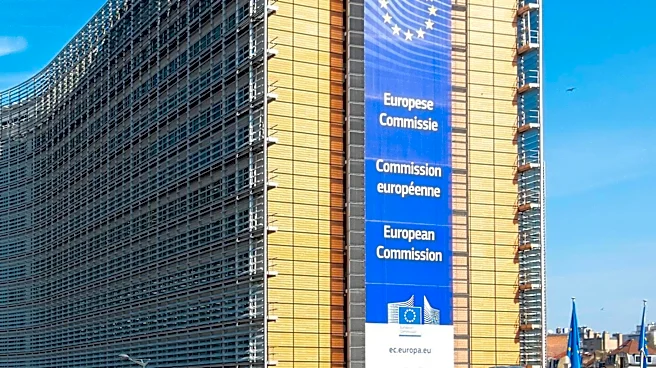
The European Commission has initiated a formal antitrust investigation into Coca-Cola Europacific Partners (CCEP). The probe aims to determine if CCEP has violated EU competition regulations by hindering
the cross-border trade of carbonated soft drinks and sports drinks. Additionally, the investigation will assess whether CCEP denied certain wholesale customers the ability to negotiate product procurement on a multi-country basis. CCEP, headquartered in the UK, is a major European bottler for The Coca-Cola Company brands, operating in Belgium, France, Germany, Luxembourg, the Netherlands, Portugal, Spain, and Sweden, where it is the largest supplier of carbonated soft drinks. The Commission is concerned that CCEP may have abused its dominant position in the wholesale supply of these beverages to off-trade customers, such as supermarkets. Specific practices under scrutiny include making wholesale price reductions conditional on products not being exported to other Member States, engaging in targeted product differentiation to restrict cross-border trade, incentivizing off-trade customers to limit imports into Spain, and refusing multi-country procurement negotiations.
Why It's Important?
This investigation is significant as it targets practices that could undermine the integrity of the European Union's Single Market. If CCEP is found to have engaged in these anti-competitive behaviors, it could lead to substantial fines and mandated changes in its business operations across multiple EU member states. The case highlights the European Commission's commitment to ensuring free movement of goods and services and preventing unjustified territorial supply constraints. For consumers, such practices can lead to higher prices and reduced product availability due to artificial market segmentation. For businesses, particularly smaller retailers and wholesalers, the inability to negotiate procurement across borders or facing restrictions on cross-border trade can limit their competitiveness and growth opportunities. The outcome of this probe could set a precedent for how large multinational corporations operate within the EU, particularly concerning pricing strategies and distribution networks, reinforcing the principle of a unified market.
What's Next?
The European Commission will now conduct an in-depth investigation into CCEP's alleged anti-competitive practices. The opening of this formal investigation does not predetermine its outcome. The Commission has stated its commitment to addressing unjustified barriers to the free movement of goods and services within the Single Market. Concurrently, it is conducting a public consultation on territorial supply constraints to identify additional tools for situations not covered by existing competition rules. Further information regarding the investigation will be made available on the Commission's competition website under case number AT.40860. Depending on the findings, CCEP could face significant penalties, including fines, and may be required to alter its commercial practices to comply with EU competition law. The resolution of this case will likely influence future enforcement actions against similar alleged market partitioning strategies by other dominant players in the EU.
Beyond the Headlines
This antitrust probe delves into the complex interplay between corporate strategies and regulatory oversight within a single market. The alleged practices, if proven, suggest a deliberate effort to segment markets along national lines, potentially maximizing profits by exploiting price differences and limiting consumer choice. This raises broader questions about the effectiveness of current EU regulations in preventing such fragmentation and whether existing penalties are sufficient deterrents. The investigation also underscores the ongoing tension between corporate autonomy in setting business strategies and the public interest in fostering a competitive and integrated market. The Commission's concurrent public consultation on territorial supply constraints indicates a recognition that existing tools might not fully address all forms of market partitioning, suggesting a potential for future legislative or policy changes to strengthen the Single Market's integrity. This case could therefore contribute to a re-evaluation of how the EU tackles barriers to trade that are not explicitly covered by traditional antitrust frameworks.