




What's Happening?
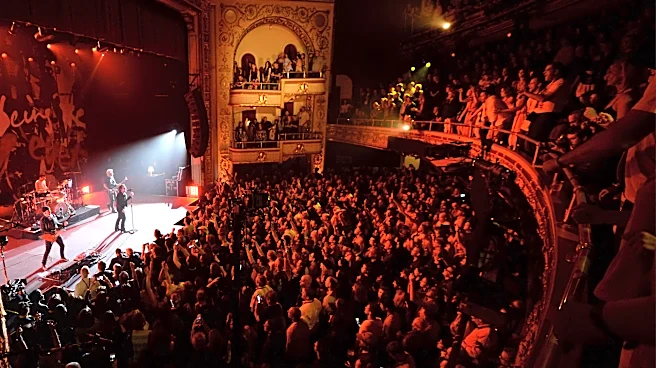
Slayer, the thrash metal band, was forced to pause their performance at the Kia Forum in Inglewood, Los Angeles, during the 40th-anniversary celebration of their album 'Reign in Blood'. The interruption occurred on November 14, 2026, when some audience
members in the seated area began behaving aggressively and damaging seats. The venue's fire safety officials intervened, leading to the band stopping the show. Frontman Tom Araya addressed the crowd, expressing visible frustration and stating that the band would not continue until the disruptive behavior ceased. Araya differentiated between the energetic mosh pit and the destructive actions, emphasizing that destroying the venue could lead to the show's cancellation. He also reminded the audience that not everyone was participating in the chaos and that security and fire safety personnel were present for everyone's protection. Following Araya's warning, the audience calmed down, and Slayer resumed their performance, completing the 'Reign in Blood' set.
Why It's Important?
This incident highlights the ongoing challenge of crowd control and venue safety at large-scale music events, particularly within genres known for intense audience participation like thrash metal. The band's decision to halt the show underscores a commitment to safety and respect for the venue, potentially setting a precedent for how artists and venues manage disruptive behavior. For fans, it serves as a reminder of the collective responsibility to maintain a safe environment, as individual actions can impact the entire concert experience. Economically, such disruptions can lead to increased security costs, potential venue damage, and reputational risks for both the band and the venue. The incident also reflects a broader societal expectation for order and safety, even within contexts designed for high-energy expression, and the need for clear boundaries to prevent harm and property destruction.
What's Next?
Following this incident, venues and event organizers may review and potentially enhance their security protocols and crowd management strategies for high-energy concerts. Bands like Slayer might continue to publicly address audience behavior, reinforcing the message that safety is paramount. Fans can expect continued emphasis on responsible conduct at future events, with potential consequences for those who engage in destructive actions. The success of Araya's direct appeal suggests that artist intervention can be an effective tool in de-escalating situations. This event could also lead to discussions within the music industry about balancing the raw energy of live performances with the need for a safe and respectful environment for all attendees and venue staff.
Beyond the Headlines
The incident at the Slayer concert touches upon the evolving dynamics between artists, audiences, and venues in the live music industry. While mosh pits and energetic crowd participation are integral to certain music genres, the line between enthusiastic engagement and destructive behavior can be blurred. This event prompts a reflection on the cultural norms of concert-going and the responsibilities of attendees. It also raises questions about the role of artists as figures of authority in managing crowd behavior and the effectiveness of direct communication in real-time. The financial implications of venue damage and potential legal liabilities for organizers further underscore the need for robust safety measures and clear communication of expectations to concert-goers. Ultimately, this event contributes to the ongoing dialogue about how to preserve the intensity of live music while ensuring the safety and integrity of the performance space.