







What's Happening?
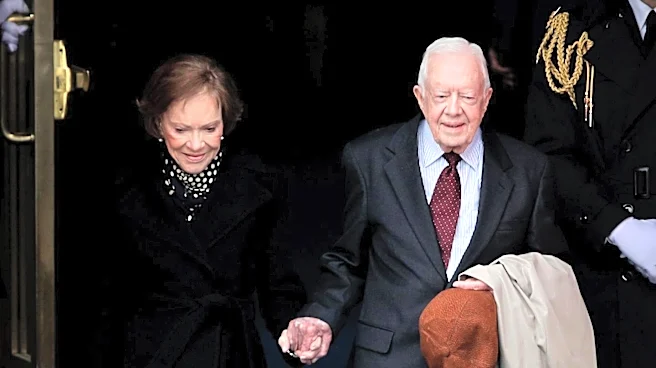
Jimmy Carter, a veteran entertainment journalist known for his work at WSMV 4 in Nashville, has died at the age of 73. His family announced his passing, stating he died in his sleep, though the cause of death has not been disclosed. Carter spent a significant
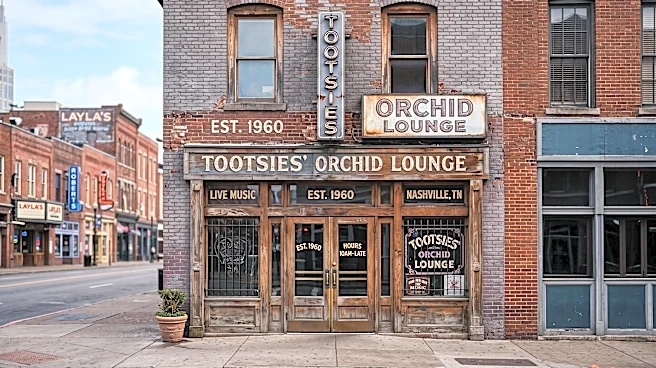
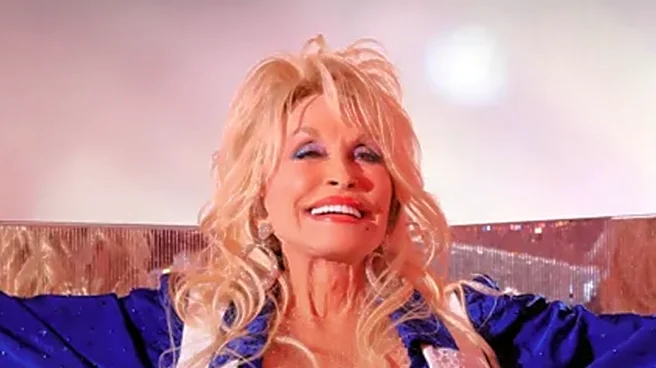
portion of his career as an entertainment reporter for WSMV 4, the NBC affiliate in Nashville, a city renowned as the capital of country music. Throughout his career, he covered numerous premieres, interviewed major artists, and reported on entertainment events for local viewers. His interview subjects included prominent figures in country music such as Dolly Parton, Alan Jackson, and Garth Brooks, as well as film stars like Clint Eastwood, Sylvester Stallone, and Kevin Costner. He is survived by his three daughters, five grandchildren, and two great-grandchildren.
Why It's Important?
The passing of Jimmy Carter marks the loss of a significant figure in Nashville's local media landscape and the broader entertainment journalism community. His long tenure at WSMV 4 meant he was a familiar and trusted face for viewers seeking insights into the music and film industries, particularly within the country music scene. His ability to secure interviews with top-tier celebrities provided local audiences with unique access and perspectives, contributing to the cultural fabric of Nashville. For aspiring journalists, Carter's career exemplifies dedication to a specific beat and the importance of building relationships within an industry. His death also highlights the evolving nature of local news, as veteran reporters who deeply understood their communities become less common in an increasingly digital and consolidated media environment. His contributions helped shape how Nashville's entertainment industry was perceived locally.
What's Next?
The Nashville media community and former colleagues are expected to continue sharing tributes and remembrances for Jimmy Carter, reflecting on his impact on local news and entertainment coverage. WSMV 4 may air special segments or retrospectives honoring his career and contributions to the station. His family will likely continue to receive condolences from the public and industry professionals. In the broader context of entertainment journalism, his passing may prompt discussions about the role of local reporters in covering national and international entertainment figures, especially in culturally significant cities like Nashville. While there are no specific next steps in terms of ongoing events, his legacy will persist through the archives of his work and the memories of those he interviewed and informed.
Beyond the Headlines
Jimmy Carter's career underscores the unique role of local entertainment journalists in connecting national celebrities with regional audiences. In a city like Nashville, deeply intertwined with the music industry, reporters like Carter served as crucial conduits, translating the glitz of Hollywood and the Grand Ole Opry into relatable local news. His work helped to humanize celebrities for viewers and provided a consistent, familiar voice in an ever-changing media landscape. This type of dedicated local reporting often fosters a deeper sense of community and shared cultural experience, which can be lost in an era dominated by national and digital news outlets. His ability to maintain a long career in a specialized field also speaks to the enduring value of expertise and consistent presence in journalism, offering a model for how local media can thrive by focusing on specific community interests and personalities.