





What's Happening?
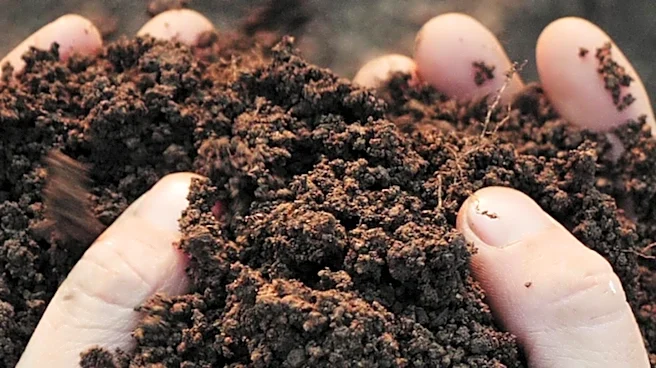
Applying compost to gardens in the fall, specifically before the first frost, offers significant benefits for soil health and plant preparation for the upcoming spring. According to Lauren Click, founder and executive director of Let's Go Compost, compost acts
as an insulating blanket, providing warmth to the soil and protecting perennials and bulbs. It also helps the soil retain moisture, preventing dryness during winter, and maintains aeration, which prevents compaction. This improved structure creates an optimal environment for new roots in the spring. Fall application is particularly effective for nutrient absorption, as the soil can slowly absorb nitrogen, phosphorus, and potassium from the compost without immediate plant uptake. Click recommends applying about an inch of compost across landscaping before the first frost, followed by approximately three inches of mulch as a final protective layer.
Why It's Important?
This practice is crucial for U.S. gardeners as it ensures the long-term vitality and productivity of their gardens. By enriching the soil in the fall, gardeners can reduce the need for intensive interventions in the spring, saving time and resources. The enhanced soil structure and nutrient availability lead to healthier, more resilient plants, potentially increasing yields and reducing susceptibility to diseases. Furthermore, the insulating properties of compost and mulch protect plants from harsh winter conditions, minimizing losses and ensuring a stronger start to the growing season. This proactive approach to soil care contributes to sustainable gardening practices and supports local ecosystems by fostering robust plant life.
What's Next?
Gardeners should prioritize applying compost before the first frost, though applications can still be beneficial for a few weeks afterward, provided the ground is not frozen solid or covered in snow. Beyond composting, fall is an opportune time for other garden care tasks, including cleaning out overgrown plants, pruning dead branches, dividing perennials, and adding mulch. Leaving some leaves on the ground can also provide natural mulch and habitat for pollinators. These combined efforts prepare the garden for winter dormancy and set the stage for a successful spring growing season, promoting a continuous cycle of soil health and plant productivity.
Beyond the Headlines
The emphasis on fall garden care, particularly compost application, reflects a deeper understanding of ecological cycles and the importance of year-round stewardship. It moves beyond a seasonal approach to gardening, promoting continuous care that mimics natural processes. This practice fosters a connection between gardeners and the natural world, encouraging observation of seasonal changes and proactive measures to support ecosystem health. Culturally, it reinforces the value of patience and long-term planning in environmental management. The benefits extend to supporting local biodiversity, such as pollinators, and contributing to overall environmental resilience, making it a significant aspect of sustainable living in the U.S.