



What's Happening?
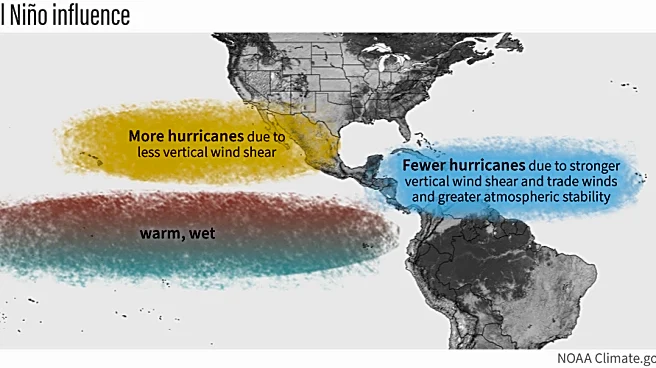
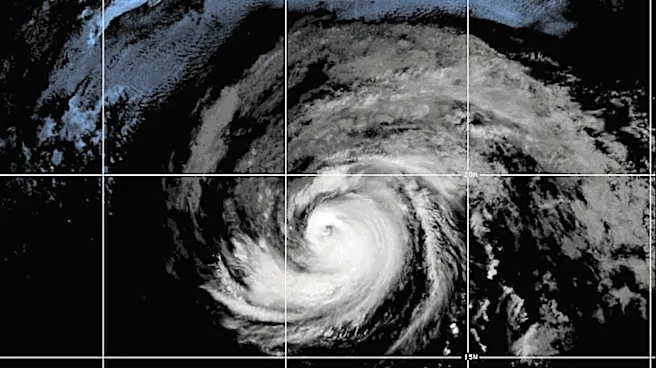
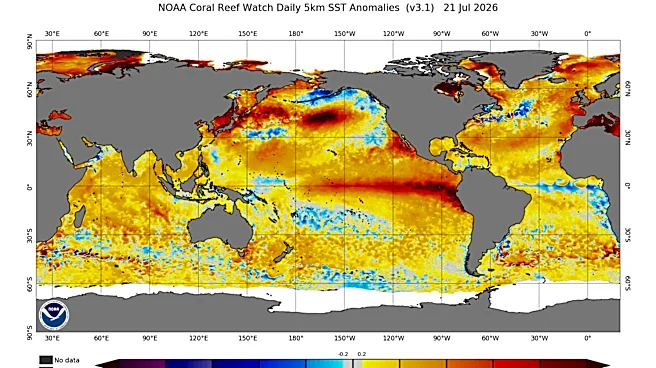
The El Niño climate phenomenon, characterized by warmer sea surface temperatures in the Pacific Ocean, typically reduces the risk of Atlantic hurricanes. However, insurers are re-evaluating this assumption due to increased coastal development and rising
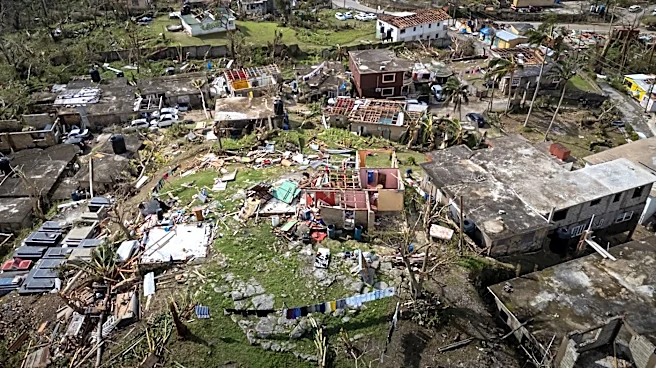
property values. Despite predictions of a below-average hurricane season in 2026, the potential for significant insured losses remains high. The expansion of coastal populations and the rising costs of reconstruction mean that even a quiet hurricane season could result in severe financial impacts for insurers. As a result, insurers are focusing more on the location and value of properties in hurricane-prone areas.
Why It's Important?
The reassessment of hurricane risk by insurers highlights the evolving challenges posed by climate change and urban development. The increased concentration of high-value properties in coastal areas amplifies the financial risks associated with hurricanes, even during El Niño years. This shift in risk assessment could lead to changes in insurance pricing and coverage availability, affecting homeowners and businesses in vulnerable regions. Additionally, the use of advanced catastrophe models and AI to analyze risk data reflects the industry's efforts to adapt to changing climate patterns and improve resilience against natural disasters.