



What's Happening?
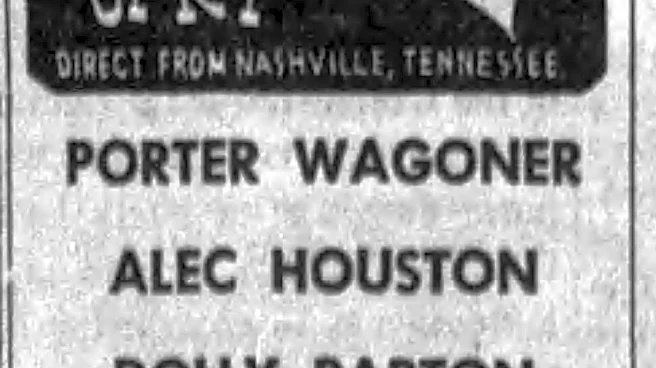
In 1976, country music legend Dolly Parton filed a lawsuit against Waco radio station KHOO for unpaid wages related to her appearance at the Heart O’ Texas Coliseum. Parton performed two shows on April 9, 1976, as part of her 'Dolly Parton Show.' Her
contract with KHOO stipulated a payment of $4,500 for her appearance, with $2,250 to be deposited a month prior to the show. The lawsuit, filed by Parton and Top Billing Inc., alleged that the remaining balance of $2,250 was not paid after the performances. Court records, including the lawsuit and a copy of the signed contract, were retrieved from archived storage. Despite the legal action, there is no record of a final disposition or judge's order in the file, suggesting the debt may have been forgiven or settled out of court. Parton later returned to Waco in January 1977 to open for Willie Nelson.
Why It's Important?
This historical lawsuit highlights the financial complexities and contractual disputes that can arise even for established artists in the music industry. It underscores the importance of clear contractual agreements and timely payments for performers, regardless of their stature. For radio stations and event promoters, it serves as a reminder of their financial obligations and the potential legal repercussions of failing to honor contracts. The case also offers a glimpse into the business practices of the music industry in the 1970s, particularly concerning artist compensation and talent agency involvement. While the specific outcome of this lawsuit remains unclear, it illustrates the legal avenues available to artists to protect their earnings and ensure fair treatment. The fact that Parton returned to Waco despite the dispute suggests a professional resilience and a commitment to her audience.
What's Next?
While this is a historical event, its implications continue to resonate in the music industry's ongoing discussions about artist rights and fair compensation. The lack of a recorded disposition in the 1976 lawsuit means the exact resolution remains unknown, but it likely involved a private settlement or the debt being dropped. For contemporary artists, such historical cases serve as precedents and cautionary tales, emphasizing the need for robust legal representation and meticulous contract management. The music industry has evolved significantly since 1976, with more standardized practices and greater transparency in artist contracts, partly influenced by past disputes. This case contributes to the broader narrative of artists advocating for their financial interests within the entertainment ecosystem.
Beyond the Headlines
This lawsuit, though decades old, touches upon enduring themes of labor rights and intellectual property within the entertainment sector. It reflects the power dynamics between artists, promoters, and media entities. The detail about the contract conditions, such as requiring 'adequate police protection' and a 'piano in good condition tuned to A-440 pitch,' reveals the specific demands and professional standards expected by artists even in the 1970s. These seemingly minor details underscore the comprehensive nature of performance contracts and the artist's need for specific conditions to deliver a quality show. The fact that Parton's attorney had no recollection of the case, despite its significance, also highlights the volume of legal work handled by entertainment lawyers and the often-private nature of such settlements, which may not always result in public court orders.