
What's Happening?
Russian authorities have launched a preferential mortgage program in Crimea and Sevastopol, offering an 8% annual interest rate for apartment purchases. This initiative, running from November 1, 2026,
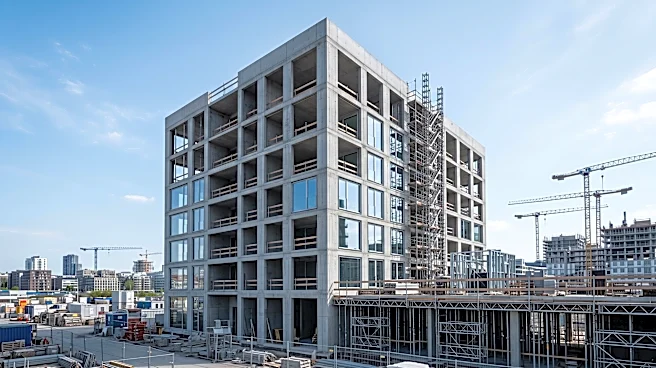
to April 30, 2027, aims to stimulate the region's struggling real estate market. The program allows for a maximum loan of 8 million rubles with a minimum 20% down payment and a loan term of up to 15 years. It specifically targets apartments in new constructions that are still under development. The Russian Ministry of Finance announced the program, which comes as Crimea faces a significant decline in new home sales, logistical challenges, and widespread power outages. According to bnMAP.pro, new-construction property transactions in Crimea dropped by 34.2% in the first nine months of 2026 compared to the previous year, with the average price per square meter falling by 8.5% to 245,000 rubles. This contrasts with a 2% rise in new-construction transactions across Russia as a whole during the same period.
Why It's Important?
The introduction of a subsidized mortgage program in Crimea highlights the economic difficulties faced by the region, particularly in its construction and real estate sectors. The significant drop in home sales and property values indicates a lack of confidence or demand, potentially exacerbated by the ongoing security situation, energy constraints, and logistical challenges. By offering an 8% mortgage, Russian authorities are attempting to inject liquidity and demand into the market, aiming to support developers and prevent a further downturn. This move suggests that the economic stability of Crimea is a priority for Russian authorities, as a healthy construction sector is often seen as a key driver of economic development. The program's success could influence future economic policies in the region and potentially set a precedent for similar interventions in other economically challenged areas under Russian control.
What's Next?
The preferential mortgage program is set to run until April 30, 2027. During this period, Russian authorities will likely monitor its effectiveness in boosting real estate sales and supporting the construction industry in Crimea and Sevastopol. The program's success will depend on various factors, including the resolution of ongoing power outages and logistical issues, which have contributed to the current market downturn. If the program fails to significantly revive the market, further economic interventions or adjustments to the current scheme might be considered. Additionally, the impact of this program on the broader economic landscape of Crimea, including its potential to attract new residents or investments, will be closely watched. The eligibility criteria, which exclude those who have previously benefited from federal mortgage programs, suggest a targeted approach to stimulate new demand.
Beyond the Headlines
The decision to implement a subsidized mortgage program in Crimea extends beyond mere economic stimulus; it reflects a broader strategy to normalize and integrate the region into the Russian economic framework despite international sanctions and ongoing geopolitical tensions. The challenges cited by Russian Deputy Prime Minister Marat Khusnullin, such as the security situation, energy, and logistics, underscore the complex environment in which this economic policy is being enacted. The program could be interpreted as an attempt to create an appearance of stability and opportunity in a region that continues to face significant external pressures and internal disruptions. The focus on new constructions also suggests an effort to modernize infrastructure and create a more permanent Russian presence, potentially altering the demographic and economic fabric of the peninsula in the long term.