





What's Happening?
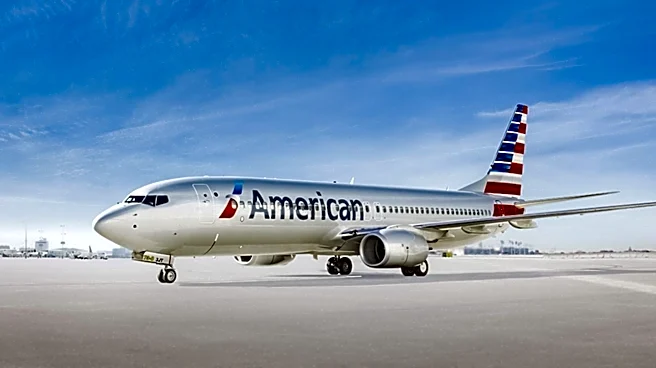
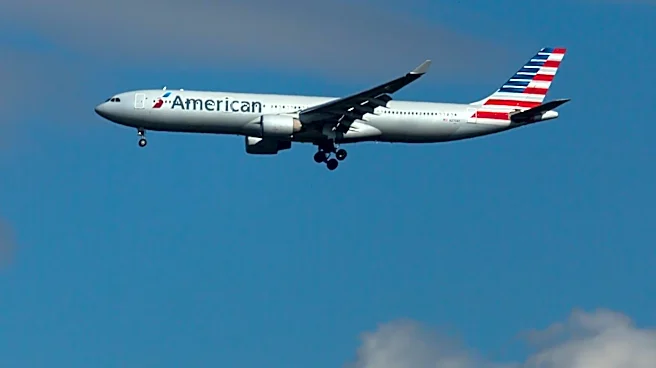
American Airlines has announced a significant expansion of its partnership with SpaceX's Starlink, planning to install the satellite internet service across its entire mainline fleet of over 1,030 aircraft. This move more than doubles American Airlines’
previous commitment, which initially covered approximately 500 Airbus jets. The installation process is slated to begin in early 2027 and will encompass more than 500 Airbus narrowbody jets, over 400 Boeing narrowbody jets, and more than 130 Boeing widebody jets. Starlink's new Performance Aero Terminal is designed to provide high-speed internet, offering up to 1 gigabit per second, which will enable passengers to stream videos, play games, and work online during flights. Heather Garboden, American Airlines’ Chief Customer Officer, emphasized that this upgrade also lays the groundwork for future innovations aimed at enhancing the customer experience.
Why It's Important?
This expansion by American Airlines is a major boost for Starlink's presence in the aviation market, signaling a growing trend among major U.S. carriers to offer advanced in-flight connectivity. The increased adoption of Starlink by a prominent airline like American Airlines could pressure rival airlines to upgrade their own in-flight internet services to remain competitive. Passengers stand to gain significantly from faster and more reliable internet access, transforming the in-flight experience from a period of disconnection to one of continued productivity and entertainment. For Starlink, this agreement translates into substantial opportunities for additional equipment sales and recurring revenue from connectivity services, solidifying its position as a key player in the aerospace and telecommunications sectors. The move also highlights the increasing demand for seamless digital experiences, even at 30,000 feet, influencing future aircraft design and airline service offerings.
What's Next?
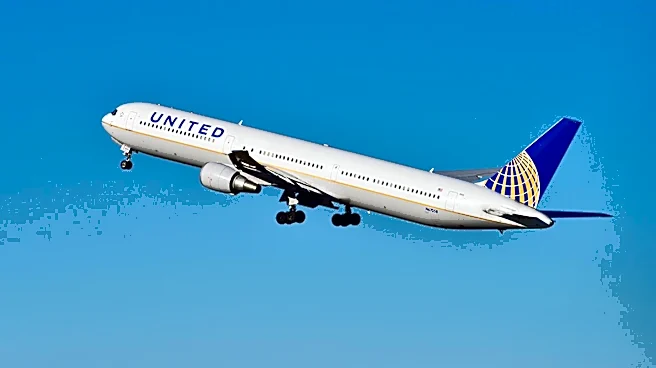
The installation of Starlink services on American Airlines' fleet is scheduled to commence in early 2027. As American Airlines integrates this technology, other major U.S. airlines, such as United Airlines and Alaska Air Group, which are already implementing Starlink, may accelerate their own rollout plans to match the enhanced customer experience. The success and passenger feedback from American Airlines' deployment could further influence the broader aviation industry, potentially making high-speed satellite internet a standard offering rather than a premium service. This development is also likely to spur innovation in in-flight entertainment and connectivity solutions, as airlines seek to leverage the increased bandwidth for new services and applications. The competitive landscape among airlines for passenger amenities is expected to intensify, with in-flight internet quality becoming a significant differentiator.
Beyond the Headlines
The widespread adoption of high-speed satellite internet on commercial flights, exemplified by American Airlines' commitment to Starlink, represents a fundamental shift in the travel experience. Beyond mere entertainment, this connectivity could enable new business models for airlines, such as real-time data analytics for operational efficiency or personalized services based on passenger usage. It also raises questions about digital equity and access, as reliable internet becomes increasingly essential for work and daily life, even while traveling. The integration of such advanced technology also has implications for cybersecurity in aviation, requiring robust measures to protect passenger data and aircraft systems. Furthermore, the environmental impact of launching and maintaining large satellite constellations like Starlink, while not directly addressed, remains a broader consideration in the long-term sustainability of such technological advancements.