



What's Happening?
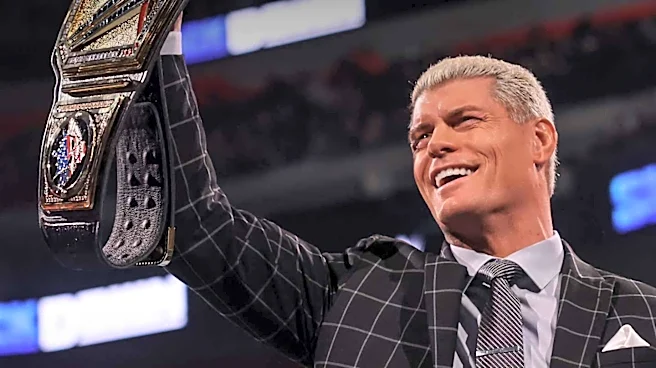
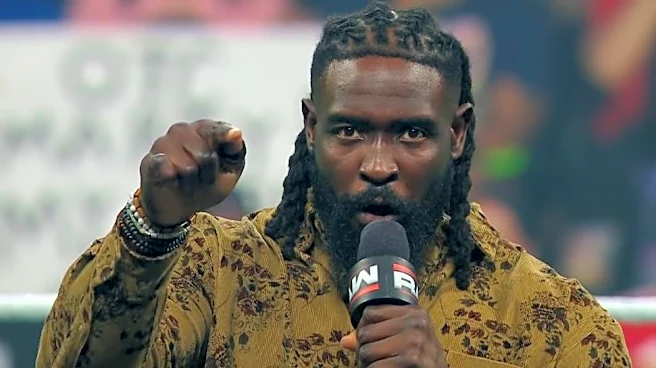
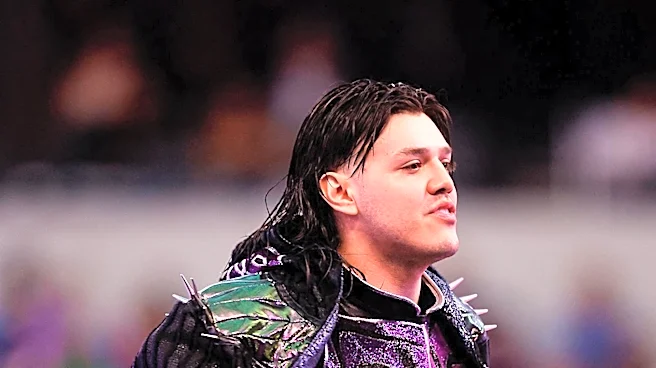
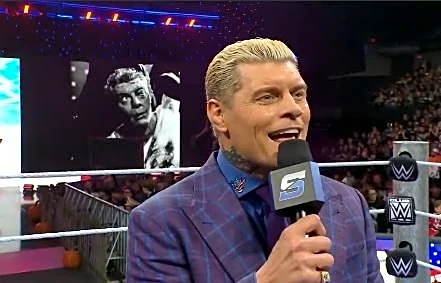
Cody Rhodes, a prominent figure in WWE, has addressed the mixed reception of the company's NIL (Next In Line) talent recruitment system among hardcore wrestling fans. Launched in 2021, the NIL system aims to bring athletes from other sports into professional
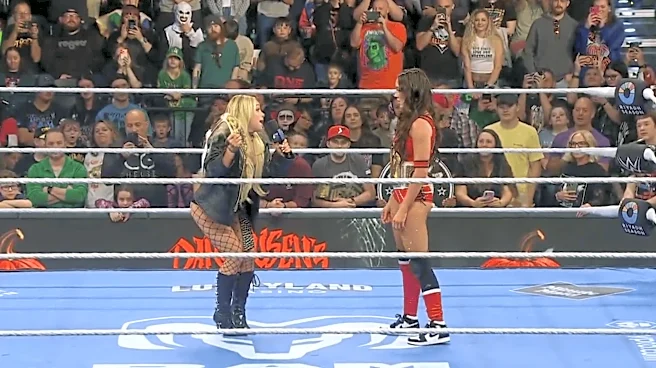
wrestling, with notable recruits including Oba Femi and Tiffany Stratton. Rhodes, speaking on the Double Coverage Podcast, drew parallels between the NIL system and historical methods of talent scouting in wrestling, referencing legends like Ernie 'Big Cat' Ladd who transitioned from professional football. He suggested that while hardcore fans might not always appreciate the NIL approach, it mirrors a long-standing tradition of seeking out athletes with strong physical attributes and potential, rather than solely focusing on individuals who grew up aspiring to be wrestlers.
Why It's Important?
Rhodes' comments shed light on WWE's strategic approach to talent development and the ongoing debate within the wrestling community about authenticity versus athletic recruitment. The NIL system represents a significant investment by WWE in diversifying its talent pool, aiming to attract individuals who possess the physical capabilities and marketability to succeed in sports entertainment. This strategy is crucial for the company's long-term growth, as it ensures a continuous influx of fresh talent. However, the skepticism from some hardcore fans highlights a tension between traditional wrestling purists, who value a lifelong dedication to the craft, and the modern business model that prioritizes broad athletic appeal and market reach. Understanding this dynamic is key to appreciating the evolving landscape of professional wrestling.
What's Next?
The WWE's NIL system is expected to continue as a primary pipeline for new talent, indicating a sustained commitment to recruiting athletes from diverse sporting backgrounds. As more NIL recruits like Oba Femi and Tiffany Stratton rise through the ranks, their success will likely influence fan perception and potentially bridge the gap between traditionalists and those who embrace the new recruitment model. Cody Rhodes' advocacy for the system, by connecting it to wrestling's historical practices, may help to legitimize it further within the fan base. The ongoing performance and development of NIL athletes will be critical in shaping the future of WWE's roster and its appeal to a wider audience.
Beyond the Headlines
The discussion around WWE's NIL system extends beyond mere talent acquisition; it touches upon broader themes of athletic development, brand building, and the commercialization of sports. By actively recruiting athletes, WWE is not just finding performers but also investing in individuals who bring pre-existing athletic discipline and, often, a built-in fan base from their previous sports. This approach reflects a modern entertainment industry trend where cross-disciplinary talent is highly valued. The challenge lies in transforming these athletes into compelling characters who can connect with a wrestling audience, a process that involves extensive training in performance, storytelling, and crowd engagement. This strategic shift underscores how professional wrestling, while rooted in athletic competition, is increasingly a sophisticated blend of sport, theater, and marketing.