




What's Happening?
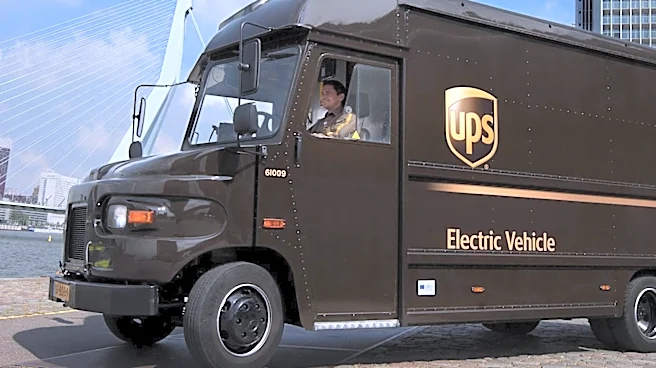
The last-mile delivery market is experiencing a shift as retailers diversify their carrier options beyond traditional giants like UPS and FedEx. This change is driven by consumer demand for faster delivery times and the need for retailers to maintain
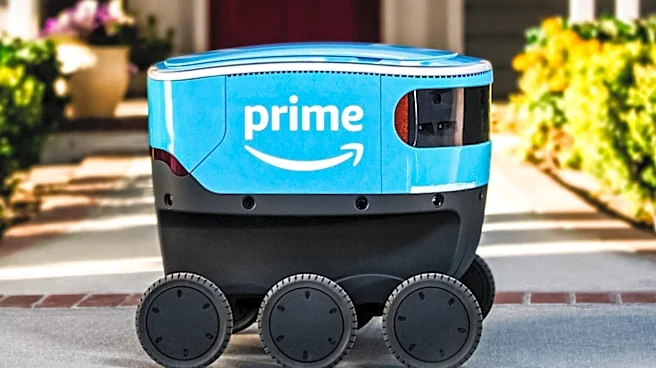
customer satisfaction. According to a survey by AlixPartners, 55% of retailers are now using carriers outside of the major players, and many are actively shifting volume away from UPS and FedEx. This diversification is reshaping the last-mile delivery landscape, with alternative carriers gaining market share.
Why It's Important?
The diversification of last-mile delivery carriers represents a significant shift in the logistics industry, challenging the dominance of UPS and FedEx. As retailers seek to meet consumer expectations for faster delivery, they are turning to a broader range of carriers, which could lead to increased competition and innovation in the sector. This trend may also impact pricing and service levels, as traditional carriers adjust their strategies to retain market share. The shift highlights the importance of flexibility and adaptability in the logistics industry.
What's Next?
As the trend towards carrier diversification continues, traditional carriers like UPS and FedEx may need to reevaluate their business models and explore new strategies to remain competitive. This could involve investing in technology and infrastructure to improve delivery speed and efficiency or expanding their service offerings to include more specialized logistics solutions. Retailers will likely continue to explore partnerships with alternative carriers to enhance their delivery capabilities and meet consumer demands.