



What's Happening?
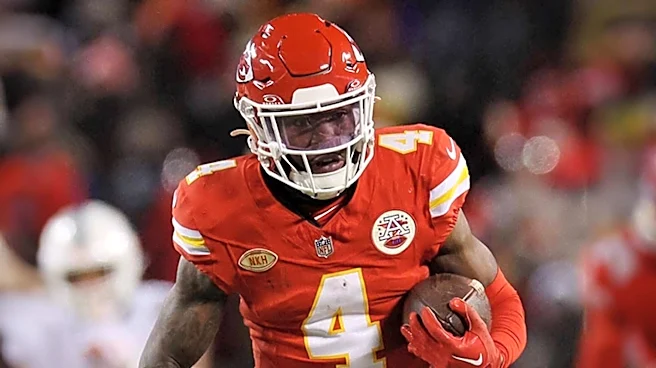
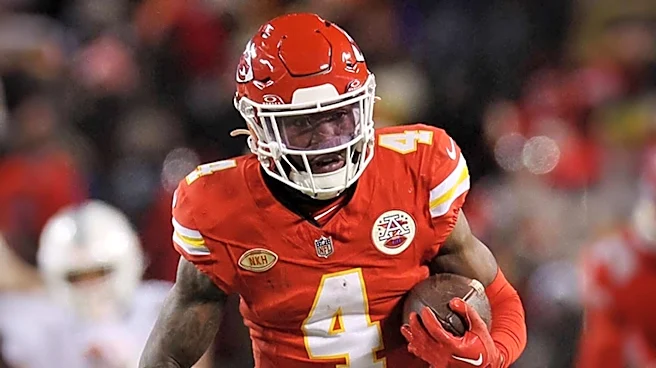
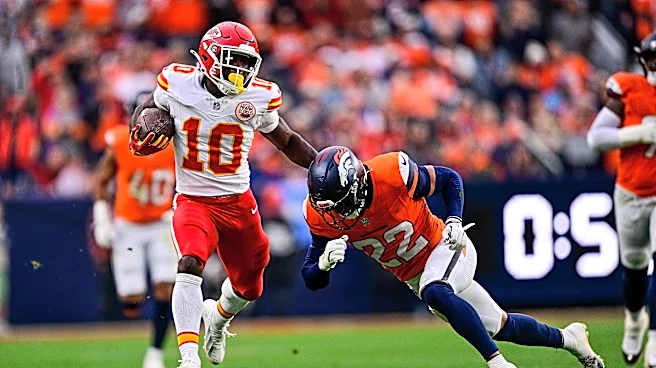
Kansas City Chiefs wide receiver Rashee Rice has filed for bankruptcy in Texas, declaring $3.5 million in debts. The majority of these debts stem from civil litigation related to a high-speed crash in Texas and allegations of assault by a former girlfriend.
Rice's bankruptcy filing lists his personal assets at $677,054, which includes $421,825 in deferred compensation. He is currently in the final year of a four-year rookie contract valued at $6.5 million, with a 2026 base salary of $1.6 million. The largest single debt is $979,837, part of a settlement for his involvement in the 2024 Dallas crash that injured multiple individuals and resulted in a six-game suspension from the NFL. Rice is also disputing potential debts from ongoing civil cases, including $700,000 from crash victims' lawsuits and an additional $200,000 from his ex-girlfriend's allegations of assault between 2023 and 2025. The NFL did not impose any penalties on Rice regarding the assault allegations. He was previously sentenced to 30 days in jail and five years of probation for the crash, having pleaded guilty to third-degree felony charges of collision involving serious bodily injury and racing on a highway causing bodily injury. Rice also served another 30 days in jail this year for violating his probation due to a positive marijuana test.
Why It's Important?
This bankruptcy filing highlights the significant financial repercussions that professional athletes can face due to legal troubles and personal conduct issues. For Rashee Rice, the immediate impact is a formal declaration of insolvency, which will likely lead to a restructuring of his financial obligations under court supervision. The ongoing civil lawsuits and the substantial settlement from the 2024 crash underscore the severe financial liabilities that can arise from such incidents. This situation could affect his future earnings and endorsements, even as he continues his NFL career. For the Kansas City Chiefs and the NFL, while the bankruptcy is a personal matter for Rice, it adds another layer of complexity to his public image and availability, following his previous suspension and legal issues. The case also serves as a cautionary tale for other athletes regarding the importance of managing personal conduct and understanding the financial consequences of legal entanglements, particularly when substantial assets and future earnings are at stake.
What's Next?
Following the bankruptcy filing, Rashee Rice will undergo a legal process to address his declared debts and assets. A bankruptcy court will oversee the liquidation of his non-exempt assets or the creation of a repayment plan, depending on the type of bankruptcy filed. The ongoing civil cases, including the lawsuits from crash victims and his ex-girlfriend, will proceed, with the bankruptcy filing potentially impacting how these claims are resolved and paid. His NFL career will continue, but his financial situation may influence his focus and public perception. The NFL has already imposed a six-game suspension for the crash, and while no further league action was taken for the assault allegations, his legal and financial challenges could still affect his standing within the league and with his team. Rice will need to navigate both his professional football commitments and the complex legal and financial proceedings of his bankruptcy case, which could extend for a significant period.
Beyond the Headlines
The situation with Rashee Rice extends beyond immediate financial and legal implications, touching upon broader issues within professional sports regarding athlete conduct, financial literacy, and the support systems available to them. The substantial debts incurred from legal disputes highlight the vulnerability of even high-earning athletes to significant financial distress when faced with severe legal consequences. It also brings into focus the pressures and scrutiny athletes face, where personal actions can quickly escalate into career-threatening and financially devastating situations. The case may prompt further discussions within sports organizations about comprehensive athlete education programs that cover legal responsibilities, financial management, and personal conduct, aiming to prevent similar scenarios. Furthermore, it underscores the public's perception of athletes as role models and the consequences when their actions fall short of societal expectations, impacting their brand value and long-term career prospects beyond their playing days.