








What's Happening?
The U.S. dollar is on track for its largest monthly gain in nearly a year, driven by optimism over U.S. economic growth and Federal Reserve interest rate hikes. The dollar index, which measures the greenback against a basket of currencies, is up 2.5%
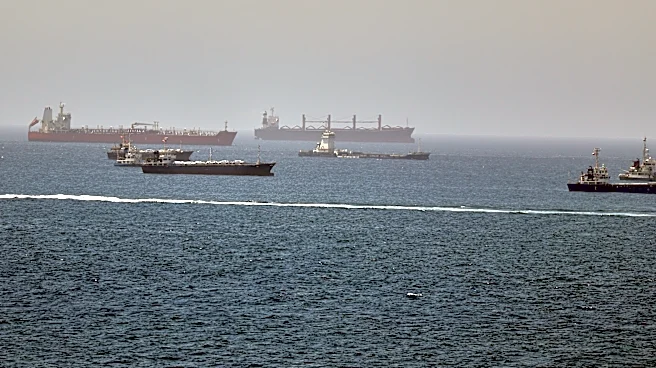
for June. This strength is supported by expectations of continued rate hikes by the Federal Reserve, as well as geopolitical tensions in the Gulf region. The U.S. and Iran have agreed to halt attacks and plan to meet in Qatar, which has added to market nervousness. Additionally, oil prices have risen due to disruptions in the Strait of Hormuz, further supporting the dollar as a safe-haven asset.
Why It's Important?
The dollar's strength has significant implications for global markets, as it affects trade balances, commodity prices, and international investments. A stronger dollar can make U.S. exports more expensive and impact the competitiveness of American goods abroad. It also influences the cost of imports, which can affect inflation rates. The Federal Reserve's monetary policy decisions are closely watched by investors, as they impact interest rates and economic growth. The ongoing geopolitical tensions in the Gulf region add another layer of complexity, as they can influence oil prices and global economic stability.
What's Next?
Investors are awaiting the upcoming U.S. jobs report, which is expected to show continued strength in the labor market. This data will be crucial in shaping expectations for future Federal Reserve policy decisions. Any signs of a slowdown in job growth could lead to a reassessment of the Fed's hawkish stance. Additionally, the outcome of the U.S.-Iran talks in Qatar will be closely monitored, as it could impact geopolitical stability and market sentiment. Traders will also be watching for any developments in oil prices, as they are closely linked to the situation in the Gulf region.