
What's Happening?
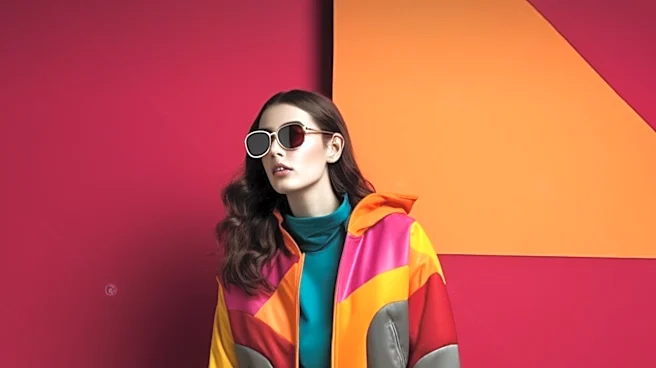
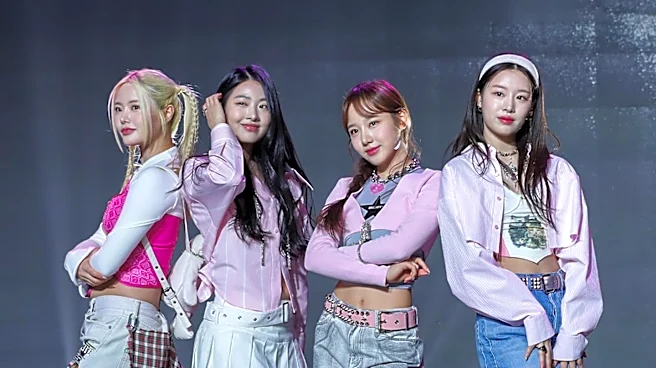
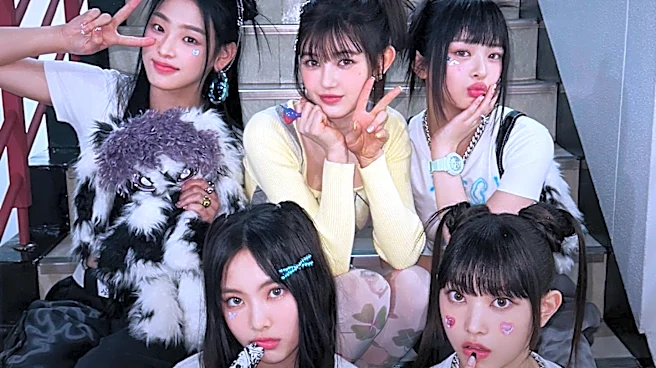
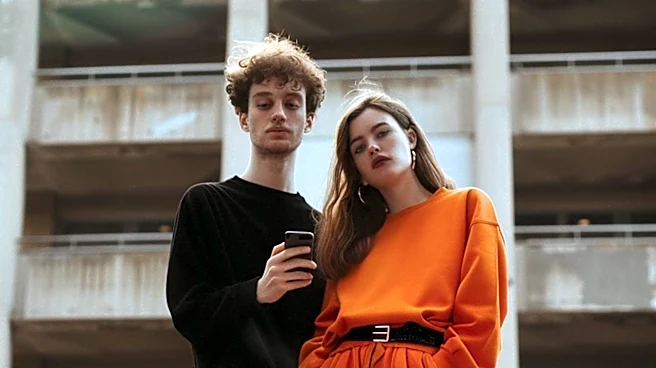
Gen Z's approach to streetwear is characterized by fragmentation and a strong emphasis on personal identity, according to recent research. Instead of adopting a single aesthetic, younger shoppers are blending
influences from various sources such as vintage fashion, music, gaming, alternative subcultures, luxury, skatewear, anime, sportswear, resale, and social media to create unique personal styles. This shift means that for streetwear brands, simply selling a logo is no longer sufficient; products must enable individuals to express something about themselves. The growth of secondhand fashion is particularly relevant, with projections indicating that Gen Z and millennials will account for 71% of secondhand market growth through 2030. Nearly half of these shoppers discover secondhand items through social media, creators, and influencer feeds. This trend highlights that discovery, uniqueness, and value are increasingly competing with traditional new-product retail, as identified by McKinsey's consumer research.
Why It's Important?
This evolving fashion landscape signifies a significant shift in consumer behavior and market dynamics within the U.S. fashion industry. Brands that fail to adapt to Gen Z's demand for personalized expression and authenticity risk losing market share. The emphasis on resale and uniqueness also has economic implications, promoting a more circular economy and potentially reducing the environmental impact of fast fashion. For retailers, this means a need to rethink traditional marketing and sales strategies, moving towards more authentic, personalized brand communication and leveraging diverse discovery channels, including social media and AI-driven content. The rise of 'niche-core' aesthetics and specialized online communities, such as those discussing specific Y2K trends, further underscores the importance of understanding fragmented consumer interests rather than broad trends. This also creates opportunities for smaller, independent brands that can offer distinctive pieces and compelling brand stories that resonate with individual identities.
What's Next?
Streetwear brands are expected to continue evolving their strategies to connect product with identity, moving beyond simple merchandise to offer items that serve as physical expressions of a character philosophy or visual system. This involves creating compelling brand stories that are intrinsically linked to the garments. The future of streetwear is anticipated to be personal rather than uniform, with consumers seeking visual languages and philosophies that fit their individual preferences, whether it's cosmic graphics, glitch imagery, or technical details. Brands will need to focus on consistency in their visual identity and storytelling to build recognition without relying on constant 'hype.' Furthermore, the importance of price and value will remain, with consumers actively comparing alternatives, suggesting that brands must justify their pricing through material quality, fit, artwork, and construction. The continued growth of resale platforms and niche online communities will also shape how trends are discovered and adopted, requiring brands to engage with these spaces.
Beyond the Headlines
The shift in Gen Z fashion towards identity and resale reflects broader cultural and societal changes. The desire for uniqueness and personalized expression can be seen as a response to an increasingly digital and interconnected world, where individuals seek to differentiate themselves. The embrace of secondhand fashion also highlights a growing consciousness around sustainability and ethical consumption, moving away from purely consumption-driven models. This trend challenges the traditional fashion cycle, where new collections are constantly pushed, and instead favors longevity, individuality, and the stories embedded in clothing. The influence of social media and AI in trend discovery also points to a future where fashion is less dictated by top-down industry trends and more by grassroots movements and individual curation. This could lead to a more democratic and diverse fashion landscape, but also presents challenges for brands in navigating a fragmented and rapidly changing consumer base.