
What's Happening?
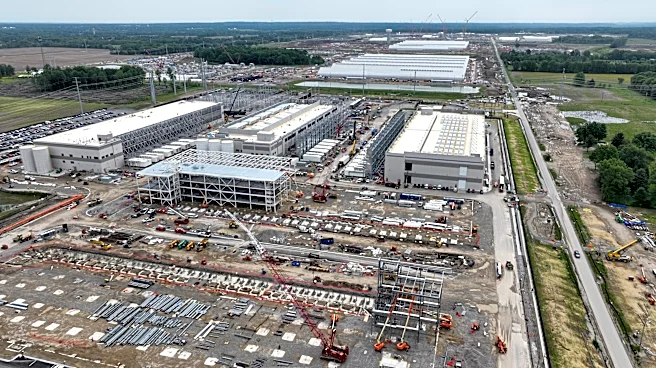
The rapid expansion of Artificial Intelligence (AI) infrastructure is leading to a substantial increase in energy and water consumption by data centers across the United States. The International Energy
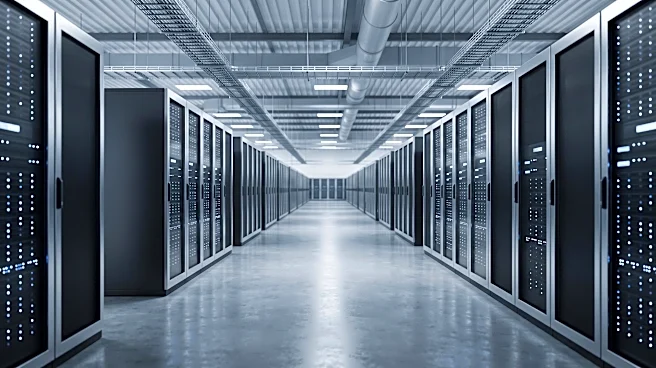
Agency (IEA) projects that global data center electricity consumption will more than double between 2024 and 2030, reaching approximately 945 terawatt-hours, with AI being the primary driver of this growth. This surge in demand is prompting major tech companies like Amazon, Google, and Microsoft to report significant water usage for their data centers. For instance, Amazon disclosed its global data center water usage, indicating a rising trend in both water withdrawal and consumption. In 2025, Amazon's facilities withdrew about 2.5 billion gallons. Similarly, Microsoft's environmental data shows a consistent increase in water withdrawal and consumption from FY20 to FY25. This escalating demand for resources is also accelerating the deployment of clean energy solutions, as tech companies and utilities commission new renewable energy projects to power these energy-intensive operations. Despite efficiency improvements in AI models and data center operations, the aggregate demand continues to rise due to the increased deployment and use of AI.
Why It's Important?
The escalating energy and water demands of AI-driven data centers have profound implications for U.S. industries, public policy, and environmental sustainability. The significant increase in electricity consumption, projected to account for nearly half of U.S. electricity-demand growth through 2030, places considerable strain on existing power grids and necessitates substantial investment in new generation and transmission infrastructure. This could lead to higher electricity costs for consumers if not managed effectively, making data centers a growing political issue. The substantial water usage by data centers, particularly in regions already facing water stress, raises environmental concerns and calls for more transparent reporting and sustainable practices. On the other hand, this demand is also acting as a powerful market force for clean energy deployment. Tech companies' commitments to renewable energy are driving investments in solar, wind, and other clean power sources, accelerating the transition away from fossil fuels. However, the intermittency of renewables means that natural gas plants often fill the gaps, creating a complex energy landscape where both clean energy and fossil fuel consumption can increase simultaneously.
What's Next?
In response to the growing environmental impact and public scrutiny, the tech industry is expected to face increased pressure for transparency and accountability regarding data center operations. This includes more detailed disclosures on AI-specific energy and water consumption, as well as the implementation of more sustainable practices. Regulatory bodies and local communities may push for policies such as taxes on data center electricity consumption, similar to Virginia's 1.1-cent-per-kilowatt-hour tax, to ensure host communities share in the economic benefits and to fund infrastructure improvements. Furthermore, there will be a continued push for innovation in energy efficiency within data centers, including advanced cooling systems and virtualization technologies, to mitigate resource consumption. The acceleration of renewable energy projects will likely continue, driven by corporate clean energy goals and the economic incentives of long-term power purchase agreements. However, challenges remain in ensuring that renewable energy supply can consistently meet the 24/7 demand of data centers, necessitating further investment in energy storage and grid modernization.
Beyond the Headlines
The rapid expansion of AI infrastructure and its associated resource demands highlight a critical tension between technological advancement and environmental sustainability. Beyond the immediate concerns of energy and water consumption, there are deeper ethical and societal implications. The concentration of data centers in specific regions can create localized environmental burdens, such as increased heat, noise, and strain on local water supplies, leading to community backlash and questions of environmental justice. The reliance on non-disclosure agreements in data center planning has eroded public trust, underscoring the need for greater transparency and community engagement. This situation also prompts a re-evaluation of how the costs and benefits of the AI revolution are distributed. If ordinary ratepayers bear the brunt of infrastructure costs while tech giants reap the profits, it could exacerbate existing socio-economic inequalities. Ultimately, the trajectory of AI development will depend not only on technological innovation but also on the industry's ability to foster public trust, implement genuinely sustainable practices, and ensure equitable distribution of both the benefits and burdens of this transformative technology.