





What's Happening?
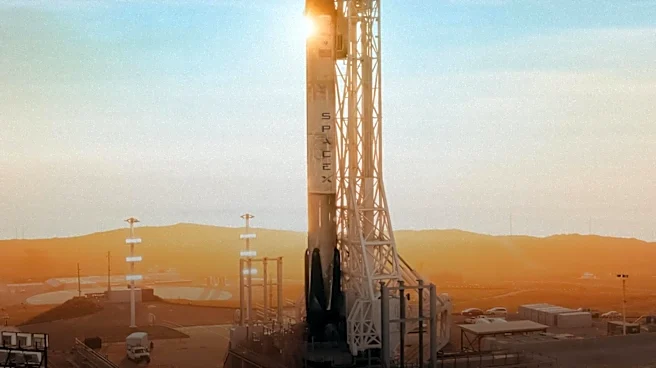
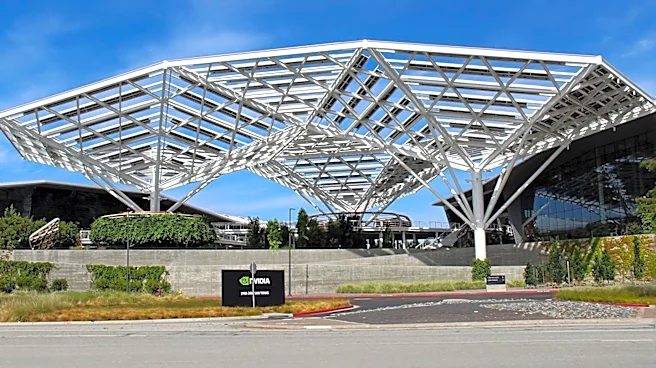
SpaceX has committed to exclusively using Nvidia hardware for building its artificial intelligence (AI) infrastructure, a move that has been described as a significant win for the chipmaker. Elon Musk, CEO of SpaceX, stated that the company is 'exclusive
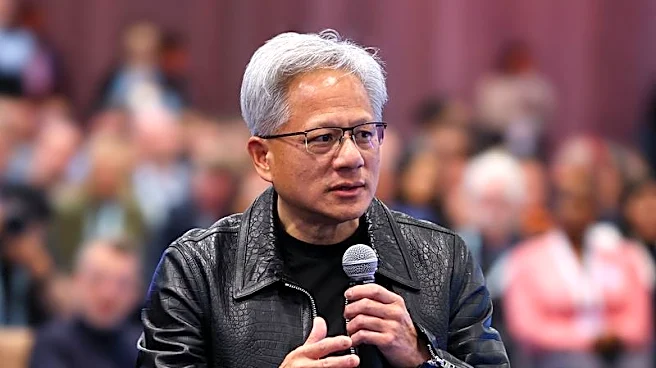
to Nvidia,' citing the Vera Rubin architecture as 'the best AI computer.' This commitment is substantial, with SpaceX aiming to end the year with over 2 gigawatts of compute power and targeting approximately 10 gigawatts by the end of 2027. Additionally, SpaceX plans to establish orbital data centers under its Starmind program, which will be built on space-optimized Vera Rubin NVL72 rack-scale systems. This build-out contributes to the broader demand for AI chips, which Nvidia CEO Jensen Huang has linked to the development of Artificial General Intelligence (AGI) and AI cybersecurity. While Nvidia is seen as a leader in AI training, the AI inference market is projected to grow significantly, potentially doubling the AI training segment by 2032.
Why It's Important?
SpaceX's exclusive commitment to Nvidia hardware underscores the critical role of specialized chips in the rapidly expanding AI landscape. This decision not only solidifies Nvidia's position as a dominant player in AI infrastructure but also highlights the intense demand for high-performance computing necessary for advanced AI applications. For the U.S. technology sector, this signifies continued investment and innovation in chip design and manufacturing, driving economic growth and maintaining a competitive edge globally. The development of orbital data centers by SpaceX, utilizing Nvidia's technology, represents a groundbreaking advancement in space-based computing, potentially opening new frontiers for data processing and AI deployment. This move also emphasizes the strategic importance of AI in various sectors, including aerospace and cybersecurity, and the need for robust, dedicated hardware to support these critical functions. Companies like AMD and Broadcom are also making strides in the AI chip market, indicating a broadening demand across the entire AI stack, from training to inference hardware and enterprise AI software.
What's Next?
The exclusive partnership between SpaceX and Nvidia is expected to accelerate the development and deployment of advanced AI capabilities within SpaceX's operations, particularly for its Starmind program and orbital data centers. This will likely lead to further optimization and specialization of Nvidia's Vera Rubin architecture to meet the unique demands of space-based computing. For the broader AI chip market, this commitment reinforces the trend of increasing demand for high-performance GPUs and specialized AI accelerators. While Nvidia is expected to maintain its leadership in AI training, the projected growth of the AI inference market suggests that other chipmakers, such as AMD with its lower-cost GPUs and improved software platforms, will continue to compete for market share. Investors will closely watch the progress of SpaceX's AI infrastructure build-out and its impact on Nvidia's revenue and market position. The ongoing debate about which part of the chip market will capture the next wave of demand will drive continuous innovation and strategic partnerships across the industry.
Beyond the Headlines
SpaceX's decision to exclusively use Nvidia hardware for its AI infrastructure has profound implications beyond the immediate business transaction. It signals a future where AI is not just earthbound but extends into space, potentially revolutionizing satellite operations, space exploration, and even defense capabilities. The concept of orbital data centers raises questions about data sovereignty, security in space, and the environmental impact of deploying and maintaining such infrastructure. This partnership also highlights the increasing convergence of cutting-edge technologies – space technology and artificial intelligence – creating new paradigms for innovation and challenging existing regulatory frameworks. The 'moat' created by Nvidia's CUDA software in AI training, as mentioned in the source, underscores the importance of integrated hardware-software ecosystems in maintaining technological leadership. As AI becomes more pervasive, the ethical considerations surrounding its development, particularly in critical applications like space and cybersecurity, will become paramount, requiring careful governance and responsible innovation.