






What's Happening?
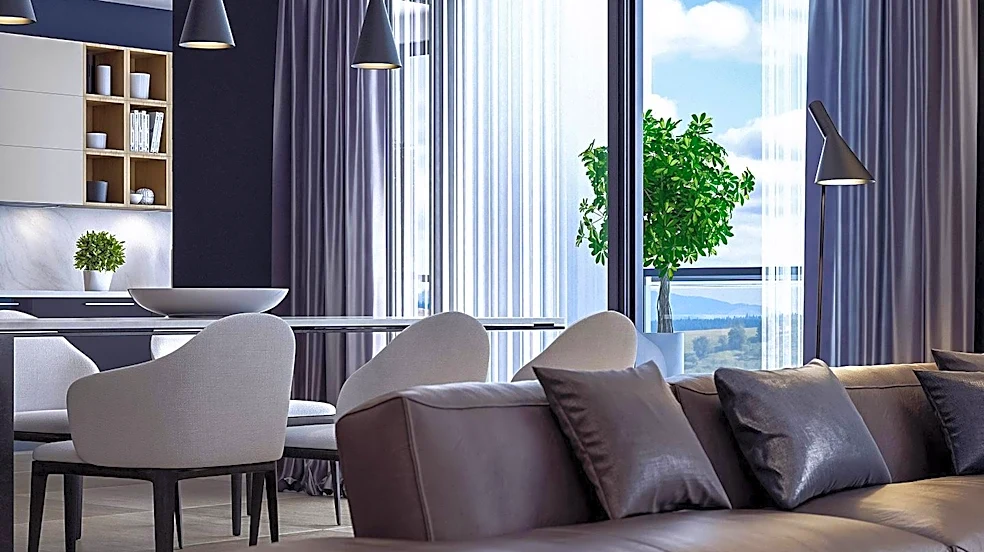
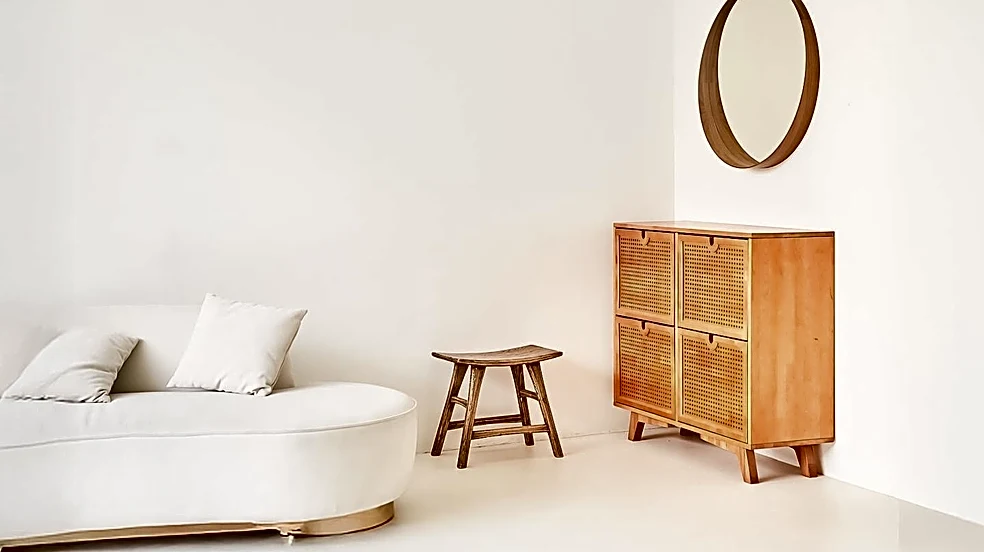
The Tiny House Tiramisu, a new offering from Mobi House, is reinterpreting Scandinavian design principles for modern living. This tiny house on wheels, available for viewing at Mobi House's headquarters in Zblewo, Poland, blends traditional Scandinavian aesthetics
like an A-line roof and an all-white minimalist interior with contemporary features. These include an innovative indoor/outdoor design, oversized windows, and a unique single-loft layout. The Tiramisu is built on the Mobi Modul Sunrise platform, part of Mobi House's newer series designed for flexible, modular combinations. Mobi House, known for its expertise in Scandinavian-style tiny homes and use of imported Scandinavian spruce, aims to keep this aesthetic fresh and relevant. The design prioritizes practicality and efficiency, offering a compact yet comfortable living space.
Why It's Important?
The Tiny House Tiramisu represents a significant evolution in the tiny home market, particularly for those interested in Scandinavian design. Its emphasis on modularity and flexible configurations could influence future tiny home developments, offering more adaptable living solutions. The integration of indoor/outdoor design and oversized windows addresses a growing desire for connection with nature and abundant natural light in compact spaces. This approach could appeal to a broader range of buyers, including private owners and entrepreneurs looking to establish small hospitality businesses. By combining affordability with sophisticated design and practical features, the Tiramisu sets a new standard for what can be achieved in tiny living, potentially driving innovation in the construction and design of small-scale residences.
What's Next?
The Tiny House Tiramisu is currently available for viewing, and specific pricing is provided upon request, indicating an active sales phase. Its modular design suggests that Mobi House may continue to develop and expand its Modul Line, offering more customizable options and potentially influencing other builders in the tiny home sector. The success of the Tiramisu could lead to increased demand for similar Scandinavian-inspired, modular tiny homes, both in Europe and potentially in the U.S. market. Future developments might include further integration of smart home technologies or more diverse material options while maintaining the core aesthetic and functional principles. The focus on affordability and flexibility positions it as a model for accessible and modern tiny living.
Beyond the Headlines
The Tiny House Tiramisu's design reflects a broader cultural shift towards minimalism, sustainability, and efficient living. Its ability to create a sense of spaciousness and connection to the outdoors within a compact footprint challenges conventional notions of home size and luxury. The use of an entirely glazed rear entrance and massive windows blurs the lines between interior and exterior, promoting a lifestyle that values natural light and environmental integration. This approach also highlights the ethical considerations of resource consumption and the potential for smaller, well-designed homes to reduce environmental impact. The Tiramisu's blend of traditional craftsmanship with modern innovation suggests a future where design is not just about aesthetics but also about thoughtful functionality and a harmonious relationship with the surrounding environment.