






What's Happening?
Indian refiners are decreasing their purchases of Russian Urals crude for November delivery. This shift is primarily due to the surging prices of Urals crude, particularly those loaded in the Baltic, which has been a key supply for Indian refiners. According
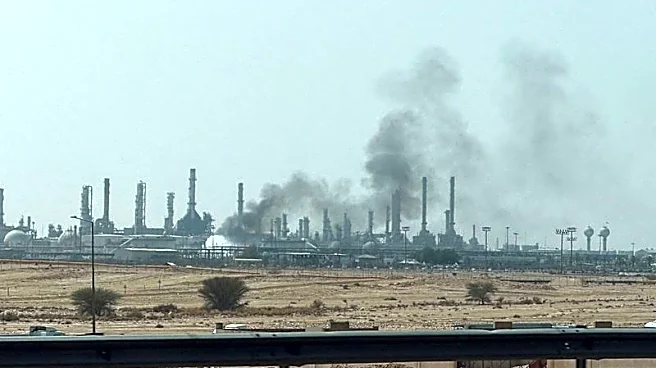
to sources familiar with the matter, Russian crude is now being offered at premiums exceeding $10 per barrel to Dated Brent, making its price nearly on par with West Asian grades. This economic factor is prompting Indian refiners to revert to suppliers from the Persian Gulf. The pullback also coincides with increased competition from China for Russian barrels and a recovery in oil flows from the Middle East. Moscow's share of India's crude imports dropped to approximately 35% in September from a high of 56% in July, with shipments averaging 310,000 barrels per day in the four weeks leading up to October 4, the lowest since March 2022.
Why It's Important?
This development signifies a notable shift in global oil trade dynamics, particularly impacting the U.S. and its allies' efforts to limit Russia's oil revenues. India has been a crucial buyer of Russian oil since Western sanctions redirected exports away from Europe following the 2022 invasion of Ukraine. The reduction in Indian purchases, driven by market economics rather than direct U.S. pressure, could potentially diminish Russia's ability to finance its ongoing conflict. For the U.S., this could be seen as a positive outcome, as it aligns with the broader goal of reducing Russia's economic leverage. However, it also means increased competition for West Asian crude, which could affect global oil prices and supply stability. The shift highlights the complex interplay of geopolitical factors, sanctions, and market forces in shaping international energy markets, with potential implications for energy security and inflation in the U.S. and globally.
What's Next?
The trend of Indian refiners diversifying their crude sources is expected to continue, potentially intensifying competition for barrels from the Persian Gulf among Asian refiners. This could lead to further adjustments in global oil pricing and shipping routes. Russia may seek to find alternative buyers for its Urals crude, possibly at more competitive prices, or face a reduction in export volumes. The U.S. will likely monitor these developments closely, as sustained reductions in Russian oil demand could further impact its economy. Conversely, if West Asian flows face new disruptions, Indian refiners might reconsider Russian crude, demonstrating the volatile nature of the current oil market. The long-term impact on Russia's oil revenues and its geopolitical standing will depend on how these market dynamics evolve and whether new sanctions or market pressures emerge.
Beyond the Headlines
The shift in India's oil procurement strategy underscores the limitations of sanctions when market forces present more economically viable alternatives. While the U.S. has exerted pressure on countries to reduce reliance on Russian oil, the current decision by Indian refiners is primarily driven by price and availability, suggesting that economic incentives can be more potent than political pressure in certain contexts. This situation also highlights the growing influence of Asian markets, particularly India and China, in shaping global energy trade. The increased demand for West Asian crude could lead to greater strategic importance for the region, potentially drawing more attention from major global powers, including the U.S., to ensure stability and secure supply lines. The episode also reveals the adaptability of global supply chains in response to geopolitical events, with refiners constantly seeking the most cost-effective and reliable sources, regardless of political allegiances.