
What's Happening?
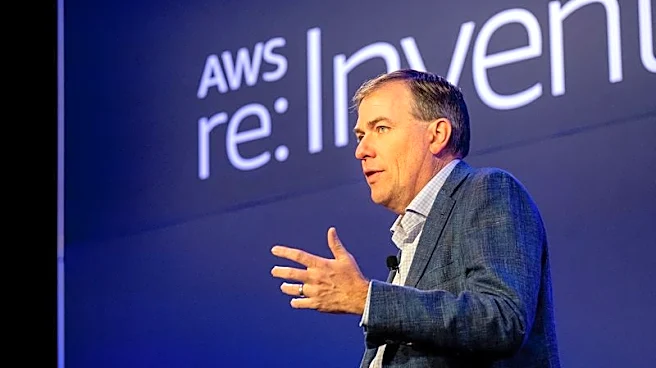
AWS CEO Matt Garman has provided clarification regarding the company's computing capacity, following earlier statements from Amazon CEO Andy Jassy. While Jassy had indicated that AWS was largely 'sold
out' for 2027 and into 2028, Garman explained that this situation is more nuanced. According to Garman, AWS still possesses ample capacity for traditional cloud migration workloads for companies planning to move to the cloud next year. However, the availability differs significantly for AI model developers seeking substantial GPU resources. Large training clusters or AI clusters requiring hundreds of megawatts of capacity are indeed largely reserved for 2027 and beyond. This distinction highlights the intense demand for specialized AI infrastructure compared to general cloud services, even as the broader market expresses concerns about the ongoing AI boom.
Why It's Important?
This clarification from AWS is crucial for businesses and AI developers planning their infrastructure strategies. For companies considering standard cloud migrations, Garman's statement reassures them that AWS can still accommodate their needs, preventing potential delays or the need to seek alternative providers. Conversely, AI model developers, particularly those requiring massive computational power for large-scale training, now have a clearer understanding that securing such resources from AWS for the near future will be challenging. This could influence investment decisions, partnership strategies, and the timeline for developing advanced AI models. The high demand for AI-specific capacity also underscores the rapid growth and strategic importance of artificial intelligence in the technology sector, potentially driving further investment in GPU manufacturing and data center expansion across the industry.
What's Next?
The continued high demand for large AI clusters suggests that companies heavily invested in AI development will need to plan their capacity needs well in advance, potentially exploring multi-cloud strategies or direct investments in their own infrastructure. AWS and other cloud providers will likely continue to prioritize the expansion of their AI-specific computing resources to meet this demand, which could lead to significant capital expenditures in data centers and specialized hardware. For traditional cloud users, AWS's continued capacity ensures business continuity and flexibility in their digital transformation efforts. The market will likely watch for further announcements from AWS regarding future capacity expansions and new offerings tailored to both AI and traditional workloads, as the company navigates these distinct market demands.
Beyond the Headlines
The distinction in capacity availability between traditional cloud services and AI clusters points to a broader industry trend: the bifurcation of cloud infrastructure. While general-purpose cloud computing has become a commodity, specialized resources for AI, particularly GPUs, are becoming a premium and scarce asset. This could lead to a competitive advantage for companies that secure long-term access to these high-demand resources. Furthermore, it raises questions about equitable access to advanced AI development capabilities, as smaller players might struggle to secure the necessary infrastructure compared to larger enterprises with greater purchasing power. This dynamic could influence the landscape of AI innovation, potentially concentrating advanced AI development among a few well-resourced entities and shaping future regulatory discussions around access to critical computing infrastructure.