



What's Happening?
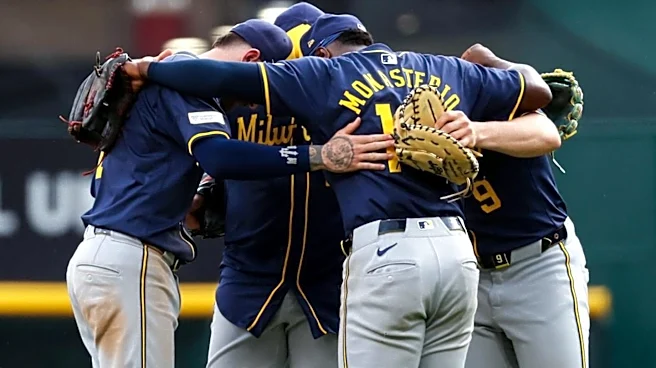
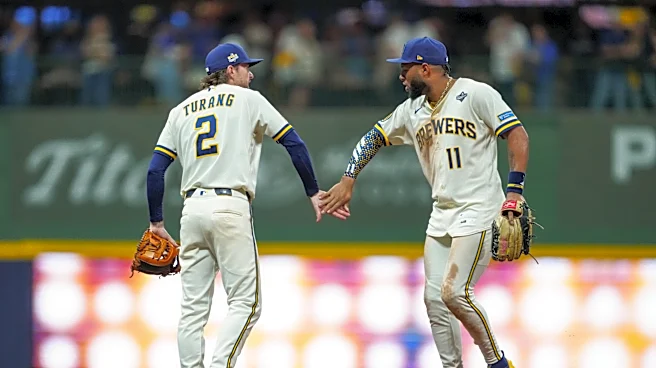
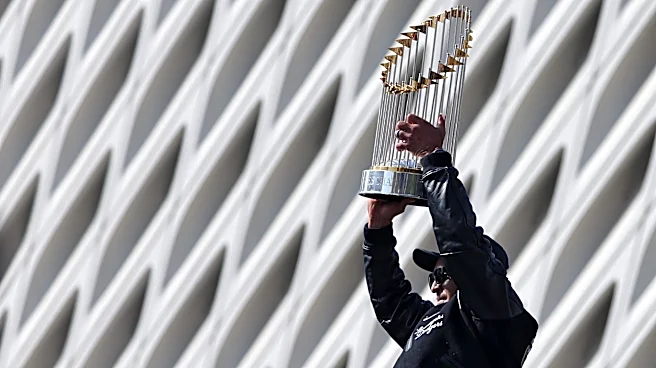
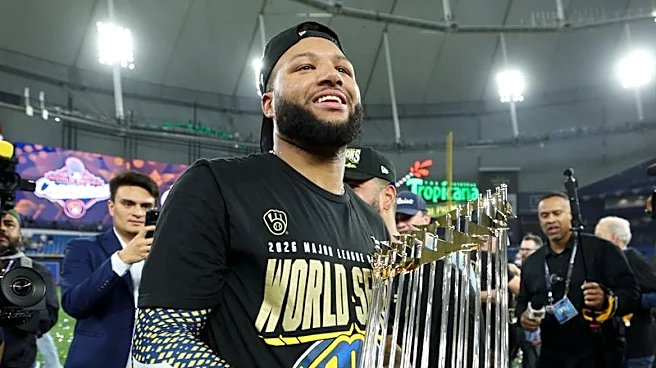
The Chicago White Sox's offensive strategy, heavily reliant on home runs, is being re-evaluated in light of the Milwaukee Brewers' recent World Series championship. The Brewers secured their title by emphasizing timely hitting, aggressive baserunning,
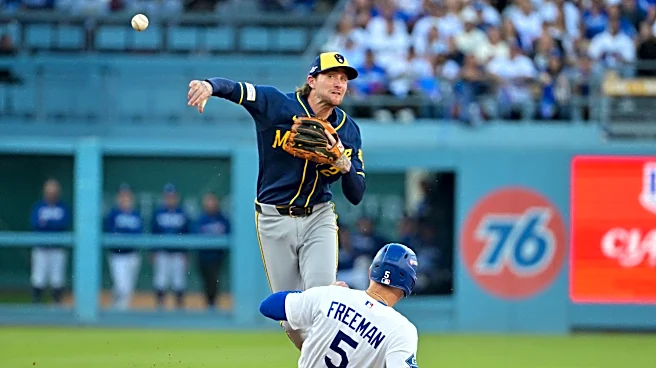
and manufacturing runs, rather than solely depending on power. During the regular season, the White Sox ranked fifth in Major League Baseball with 211 home runs, while the Brewers were 28th with 154. Despite hitting 57 fewer home runs, Milwaukee scored 832 runs compared to Chicago's 776. The Brewers also had a higher batting average (.258 vs. .236), more hits, more walks, and significantly more stolen bases (162 vs. 93). This contrast became particularly evident in the postseason, where the White Sox struggled with a .211 batting average and only four home runs in seven games, while the Brewers batted .272 and scored 52 runs in 11 games, including 25 runs in the World Series with only three home runs.
Why It's Important?
This comparison highlights a significant strategic divergence in Major League Baseball, particularly for teams like the Chicago White Sox that have invested heavily in power hitters. The Brewers' success demonstrates that a more versatile offensive approach, focusing on contact, baserunning, and situational hitting, can lead to championship success even with fewer home runs. For the White Sox, this suggests a need to diversify their offensive capabilities beyond relying on players like Munetaka Murakami, Miguel Vargas, and Colson Montgomery, who collectively accounted for nearly 47% of their home runs but also had high strikeout rates. The Brewers' model, which saw only 32.1% of their regular-season runs come from home runs, challenges the conventional wisdom that power is the sole determinant of offensive success. This shift in strategy could influence how other MLB teams construct their rosters and develop their players, potentially leading to a league-wide re-evaluation of offensive priorities.
What's Next?
The Chicago White Sox face the challenge of developing a more balanced offense for the 2027 season. This will involve finding ways to sustain rallies, get runners on base more consistently, and produce runs even when home runs are not a factor. The team may look to players who prioritize contact and baserunning, similar to how the Brewers utilized players like Jake Bauers, Jackson Chourio, and Brice Turang. The upcoming offseason will be crucial for General Manager Chris Getz to assess the current roster and potentially make moves that align with a more versatile offensive philosophy. This could include targeting players with strong on-base percentages and speed, or focusing on player development within their system to cultivate these skills. The success of the Brewers could serve as a blueprint for the White Sox and other teams aiming to build a championship-caliber offense that is less dependent on the long ball.
Beyond the Headlines
The Brewers' World Series victory and their offensive strategy could signal a broader philosophical shift in baseball, moving away from an over-reliance on analytics that often prioritize home runs and strikeouts. While power remains a valuable asset, the emphasis on 'small ball' tactics—walks, stolen bases, and timely hitting—demonstrates that a multi-faceted approach can be more resilient, especially in high-pressure postseason environments. This development could lead to a re-evaluation of player valuation, with a greater premium placed on players who possess a diverse skill set, including speed, contact ability, and defensive versatility. It also highlights the importance of managerial strategy in adapting to game situations and maximizing a team's strengths beyond just power hitting. This could foster a more dynamic and unpredictable style of play across the league, potentially increasing fan engagement by showcasing different facets of offensive baseball.