




What's Happening?
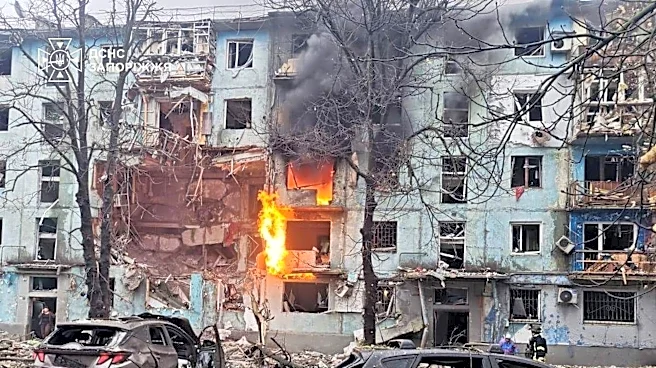
The International Monetary Fund (IMF) has identified certain positive economic spillover effects in the Caucasus and Central Asia region stemming from the Russia-Ukraine conflict. Roberto Cardarelli, Assistant Director of the Middle East and Central Asia Department
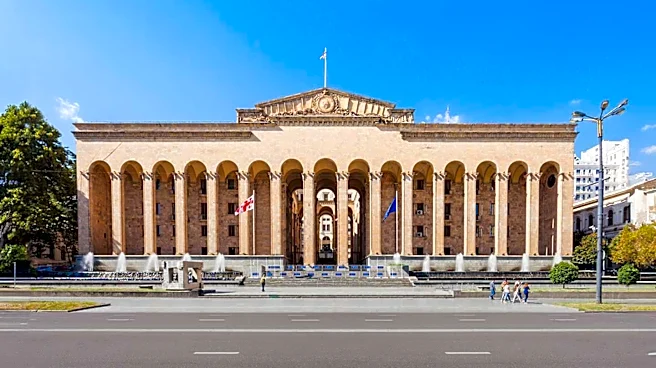
at the IMF, noted that economies in the region are benefiting from financial inflows, trade rerouting, increased remittances, and the arrival of highly skilled workers, particularly in Armenia and Georgia. These factors, combined with ongoing structural reforms, are contributing to favorable economic conditions and robust growth in the region. Cardarelli made these remarks during an IMF media roundtable on the November 2026 Regional Economic Outlook for the Caucasus and Central Asia. The IMF's global economic outlook projections are based on assumptions that the conflict in the Middle East and related disruptions to oil and gas supplies will be resolved next year, with trade normalizing and oil and gas prices declining.
Why It's Important?
This assessment from the IMF highlights a nuanced and somewhat paradoxical economic impact of the Russia-Ukraine conflict on neighboring regions. While the conflict has caused widespread disruption and negative consequences globally, certain economies in the Caucasus and Central Asia have experienced unexpected benefits. The influx of financial resources, rerouted trade, and skilled labor can stimulate economic activity, foster innovation, and diversify local economies. This situation underscores how geopolitical events can create both challenges and opportunities, leading to shifts in global economic flows and regional development patterns. For the U.S., understanding these dynamics is crucial for formulating effective foreign policy and economic engagement strategies in a region that is increasingly influenced by both global conflicts and internal reforms.
What's Next?
The IMF's projections suggest that if global conditions, including the resolution of the Middle East conflict and stable oil prices, materialize as expected, the Caucasus and Central Asia region could continue to experience resilient growth. However, the sustainability of these 'spillover effects' remains to be seen, as they are largely contingent on the ongoing geopolitical landscape. Regional governments may seek to capitalize on these inflows by implementing further structural reforms to ensure long-term economic stability and growth. The continued arrival of skilled workers could also lead to demographic and labor market shifts, requiring policy adjustments. The IMF will likely continue to monitor these trends closely, providing updated assessments and policy recommendations to the affected countries.
Beyond the Headlines
The concept of 'positive spillover effects' from a conflict as devastating as the Russia-Ukraine war presents a complex ethical and economic dilemma. While the economic data may show benefits for certain regions, it is crucial to acknowledge the human cost and suffering that drive these shifts. The arrival of skilled workers, for instance, often implies displacement and migration due to conflict. This situation prompts deeper questions about the global economic system's ability to adapt to crises and how some regions can inadvertently benefit from the misfortunes of others. It also highlights the need for a holistic understanding of conflict impacts, moving beyond purely negative connotations to include the unexpected economic reconfigurations that can occur, even if they are rooted in tragic circumstances.