






What's Happening?
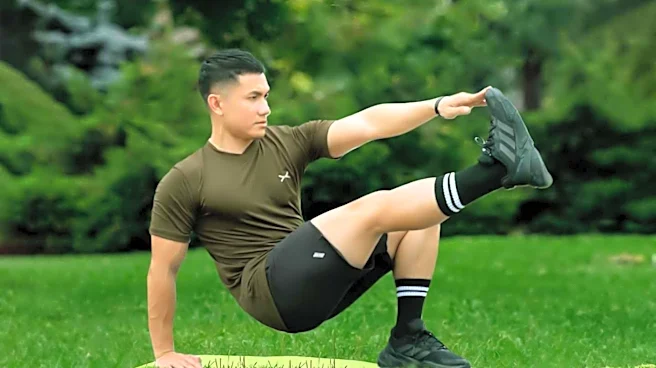
Fitness experts are emphasizing the critical role of balanced training, leg strength, and cardiovascular health in promoting longevity. According to Men's Fitness, incorporating exercises such as farmer's carries, deadlifts, pull-ups, and single-leg stands
can significantly improve grip strength, balance, and overall stability. The experts also stress the importance of combining strength training with cardiovascular exercises, suggesting a foundation of easier aerobic sessions supplemented with harder intervals. Beyond physical activity, mental challenges like learning new skills are recommended to maintain cognitive health. Consistency in workout routines, adequate rest intervals, and avoiding excessive weight lifting are identified as crucial elements to prevent injuries and ensure effective training. Additionally, creatine supplementation, when used in recommended doses, is noted for its potential benefits in cognitive function, sleep improvement, and muscle recovery.
Why It's Important?
These insights are important for individuals seeking to enhance their long-term health and fitness, particularly as they age. The focus on foundational exercises like grip strength and balance addresses common areas of decline that can impact daily life and independence. By advocating for a holistic approach that integrates strength, cardio, and mental stimulation, the recommendations aim to improve both physical and cognitive well-being, potentially reducing the risk of age-related health issues. The emphasis on proper training techniques, such as progressive overload and appropriate rest, is crucial for injury prevention, which can be a significant barrier to consistent exercise. For the fitness industry, these expert opinions underscore the demand for well-rounded programs that cater to longevity rather than just aesthetic goals, influencing how gyms and trainers design their offerings. The mention of creatine also highlights the growing interest in evidence-based supplementation for health benefits beyond muscle building.
What's Next?
Individuals can begin to integrate these recommendations into their fitness routines by focusing on exercises that build grip strength, balance, and leg power. Fitness professionals and gyms may see an increased demand for programs that emphasize longevity and functional fitness, potentially leading to the development of new classes or personalized training plans. There could also be a greater focus on educating clients about the importance of consistency, proper rest, and mental engagement in their fitness journeys. Further research into the long-term effects of specific training methodologies and supplements like creatine, especially in older populations, is likely to continue. Public health campaigns might also leverage these findings to promote comprehensive fitness strategies for healthy aging, encouraging a broader adoption of these practices across different age groups.
Beyond the Headlines
The emphasis on longevity in fitness reflects a broader societal shift towards proactive health management and quality of life in later years. This perspective moves beyond superficial fitness goals, highlighting the intrinsic value of maintaining physical and cognitive capabilities for independence and enjoyment. The integration of mental challenges into fitness advice underscores the interconnectedness of mind and body, suggesting that true well-being requires attention to both. This holistic view could lead to a re-evaluation of what constitutes 'fitness' in popular culture, shifting the narrative from intense, short-term gains to sustainable, lifelong habits. The discussion around creatine also touches on the ethical considerations of supplement use, encouraging informed decisions in consultation with professionals, and promoting a more responsible approach to health interventions.