






What's Happening?
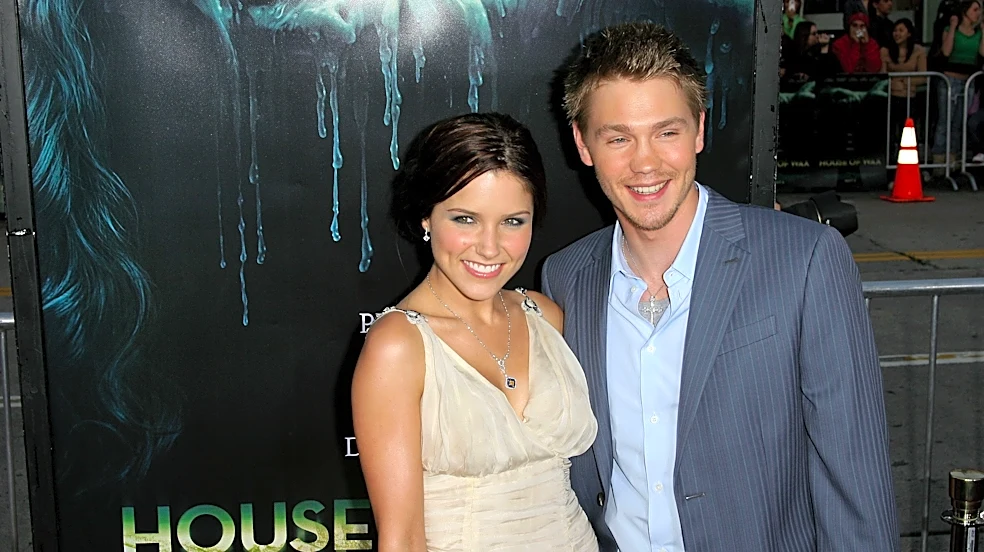
Actress Sophia Bush has publicly recounted a dispute with an unnamed 'One Tree Hill' boss regarding a scene she felt was overly sexualized and designed to make her appear shirtless. During an appearance on the 'Call Her Daddy' podcast, Bush detailed how
she threatened to wear a turtleneck every day if the production continued to push for such revealing scenes. The immediate point of contention was a backyard hot tub scene where she was given a nude strapless bra and swimsuit bottoms, intended to create the illusion of nudity. Bush stated her objection was not about the garment's coverage but about the portrayal of her body and her lack of control over such decisions. She also alleged that the boss made a crude remark about her body, describing her as 'the one with the f---ing rack everyone wants to see,' which further escalated the confrontation.
Why It's Important?
This account highlights the power imbalances that can exist within the entertainment industry, particularly concerning how actors, especially women, are pressured to portray their bodies. Bush's decision to speak out underscores ongoing discussions about consent, agency, and appropriate conduct on set. Her experience reflects a broader pattern where actors may feel compelled to comply with production demands, even when they are uncomfortable, due to fears of professional repercussions. The alleged crude remark from a superior also brings to light issues of workplace harassment and the objectification of actors. This situation contributes to the larger conversation about creating safer and more respectful working environments in Hollywood, emphasizing the need for clear boundaries and accountability for those in positions of authority.
What's Next?
Sophia Bush's revelation may encourage further dialogue within the entertainment industry regarding actor autonomy and workplace conduct. While the specific 'One Tree Hill' boss was not identified, this public sharing of her experience could prompt other actors to come forward with similar stories, potentially leading to increased scrutiny of past production practices. It might also influence ongoing efforts by unions and advocacy groups to strengthen protections for actors against exploitative or uncomfortable demands. The incident could serve as a case study in discussions about ethical production standards and the importance of respecting performers' boundaries, potentially leading to updated guidelines or training for showrunners and directors on set. The broader impact could be a continued shift towards more transparent and equitable working conditions in television and film.
Beyond the Headlines
Beyond the immediate details of the confrontation, this story touches upon deeper cultural and ethical implications within the entertainment industry. It highlights the persistent challenge of objectification, where an actor's body can be viewed as a commodity rather than an integral part of their artistic expression. The alleged remark from the boss exemplifies a culture where power figures might feel entitled to comment on or dictate an actor's physical appearance in a demeaning way. This incident also speaks to the long-term psychological impact such experiences can have on performers, who often navigate complex professional relationships under intense public scrutiny. Ultimately, Bush's account contributes to the ongoing re-evaluation of workplace dynamics in Hollywood, pushing for a more respectful and empowering environment where actors have genuine agency over their bodies and their craft.