





What's Happening?
Luxury travel experts are curating lists of remote and unique destinations to offer travelers alternatives to crowded, typical bucket-list locations. This trend focuses on providing exclusive experiences that go beyond conventional tourism. Examples include
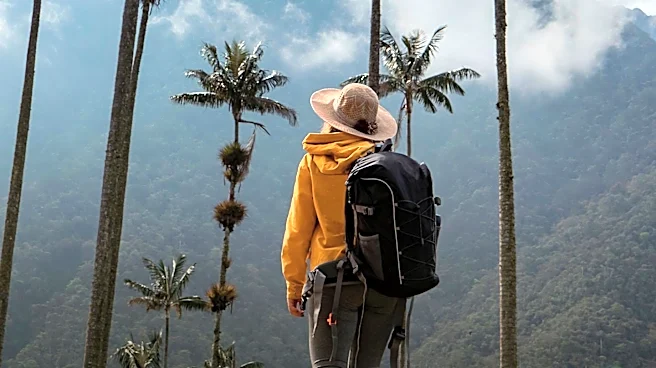
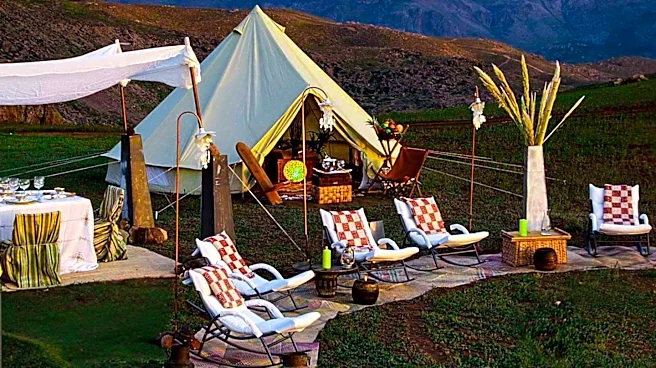
boutique yacht excursions offering activities like truffle hunting in Tuscany and champagne tastings, or exploring the quiet luxury of the Swiss Alps, known for snow polo and high-end services. The emphasis is on exploration as a mindset, encouraging travelers to discover new facets of themselves while experiencing less-traveled locales. This approach caters to a demographic seeking bespoke adventures and a deeper connection with their travel experiences, moving away from mass-market destinations.
Why It's Important?
This shift in luxury travel reflects a broader consumer desire for authenticity and exclusivity, impacting the tourism industry by driving demand for specialized services and unique destinations. For U.S. travelers, it means access to more personalized and less commercialized vacation options, potentially leading to a richer cultural exchange and a reduced environmental footprint in over-touristed areas. Businesses in the luxury travel sector stand to gain by innovating and offering highly tailored itineraries, while traditional mass tourism operators might face challenges in retaining high-end clientele. The trend also highlights a growing appreciation for slow travel, such as luxury train journeys, which prioritize the experience of the journey itself over just the destination, influencing how travel is perceived and consumed.
What's Next?
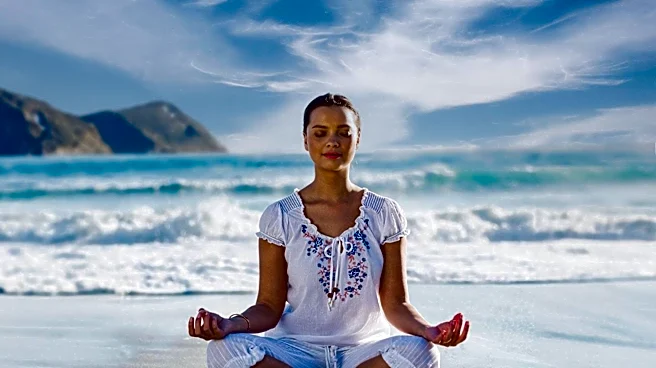
The luxury travel market is likely to see continued innovation in bespoke experiences, with a focus on sustainability and cultural immersion. Expect more curated itineraries that combine adventure with high-end comfort, such as exploring ancient capitals like Diriyah as part of Saudi Arabia’s Vision 2030, or discovering vibrant urban centers like Seattle and Bogotá through the eyes of local experts. The integration of wellness components, such as luxury psychedelic retreats, may also become more prevalent, catering to a holistic approach to travel. As travelers increasingly seek unique narratives and personal growth from their journeys, the industry will adapt by offering more niche and specialized travel products, further diversifying the luxury travel landscape.
Beyond the Headlines
This evolving preference for remote and unique travel experiences points to a deeper cultural shift away from conspicuous consumption towards experiential luxury. It suggests that for affluent travelers, the value of a trip is increasingly measured by its uniqueness, personal impact, and the stories it generates, rather than just the prestige of the destination. This trend could foster a more responsible and sustainable form of tourism, as travelers seek to engage with destinations in a more meaningful way, potentially benefiting local economies in less-visited regions. It also challenges the traditional notions of luxury, redefining it as access to authentic, uncrowded, and transformative experiences, rather than just opulence.