








What's Happening?
Improving gut health and digestion involves a strategic approach to diet and lifestyle. The gut microbiome, a vast community of microorganisms, is central to human health, influencing immunity and mood. A diverse microbiome is key, and specific foods
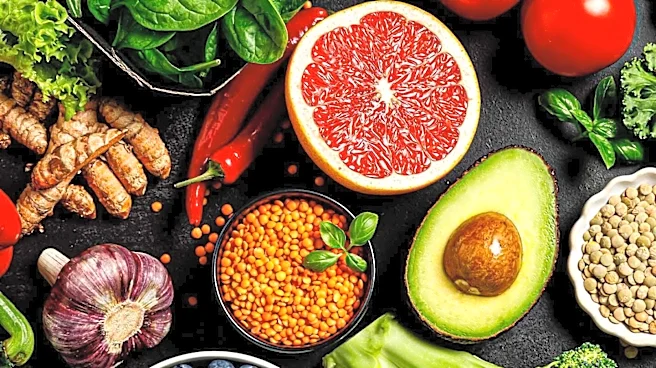
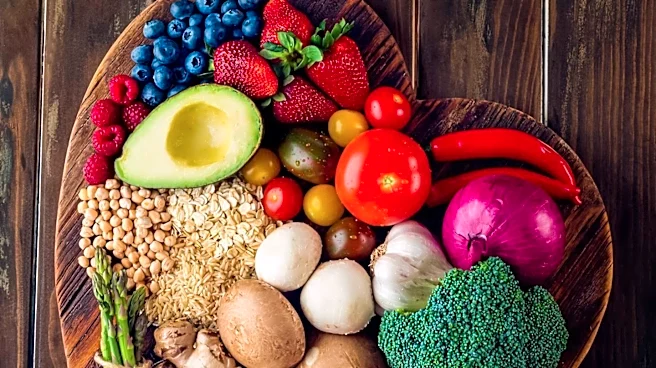
act as fuel for beneficial microbes. Prebiotic foods, such as oats, legumes, onions, garlic, asparagus, artichokes, bananas, and apples, contain dietary fibers that the body cannot digest, which are then fermented by beneficial bacteria in the large intestine. This fermentation produces short-chain fatty acids vital for gut barrier maintenance and inflammation reduction. Probiotic foods like live yogurt, kefir, sauerkraut, kimchi, miso, tempeh, and kombucha introduce beneficial live microorganisms directly into the system. Additionally, polyphenol-rich foods (berries, dark chocolate, green tea) and healthy fats (omega-3s from fish, walnuts, chia seeds) support the gut ecosystem by providing antioxidants and anti-inflammatory properties.
Why It's Important?
A healthy gut microbiome is crucial for overall well-being, impacting everything from immune system resilience to daily mood. Dysbiosis, or a lack of microbial diversity, has been linked to various health challenges. By incorporating prebiotic and probiotic-rich foods, individuals can actively cultivate a balanced gut environment, which can alleviate common digestive issues like bloating, sluggishness, and unpredictable bowel habits. Beyond diet, lifestyle factors such as adequate hydration, quality sleep, stress management, and regular physical activity significantly influence gut health. These habits support gut motility, reduce inflammation, and maintain the delicate balance of the microbiome. Addressing these factors holistically can lead to sustained digestive comfort and improved systemic health, reducing the reliance on quick fixes and promoting a proactive approach to wellness.
What's Next?
Individuals are encouraged to gradually integrate gut-friendly foods into their diet, focusing on diversity and consistency rather than radical changes. Consulting a healthcare professional, particularly a GP, is recommended for persistent or concerning symptoms to rule out underlying conditions. Tracking symptoms and lifestyle habits can provide valuable insights for personalized adjustments. While blood tests can offer a 'snapshot' of systemic health markers related to gut function (e.g., inflammation, nutrient absorption, thyroid function), they should complement, not replace, primary clinical consultations. The ongoing journey involves continuous learning about one's body and making informed choices to maintain a resilient and comfortable gut.
Beyond the Headlines
The focus on gut health extends beyond mere digestion, highlighting the intricate connection between the gut and other bodily systems, such as the immune system and the brain. This understanding fosters a more holistic view of health, where dietary and lifestyle choices are seen as powerful tools for preventive medicine. The emphasis on whole, unprocessed foods and mindful living challenges the convenience-driven modern diet, promoting a return to more traditional and natural eating patterns. This shift can have broader societal implications, encouraging sustainable food practices and a greater appreciation for the role of food in long-term health, potentially reducing the burden on healthcare systems by preventing chronic diseases linked to poor gut health.