

What's Happening?
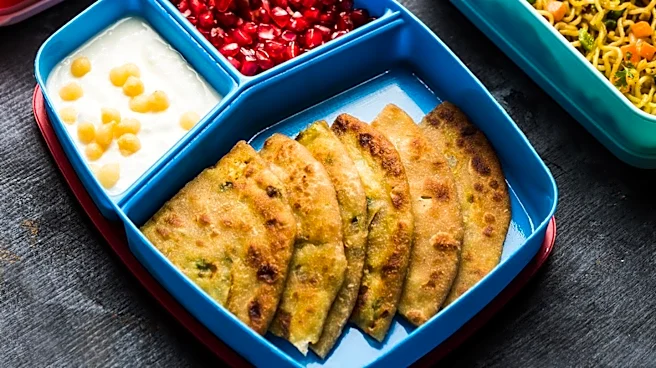
Indian meal prep involves preparing complete meals or individual components like curry bases, dal, rice, and chutneys in advance. This method allows for flexible meal combinations throughout the week, preventing repetitive eating. Dishes such as dal and rice are
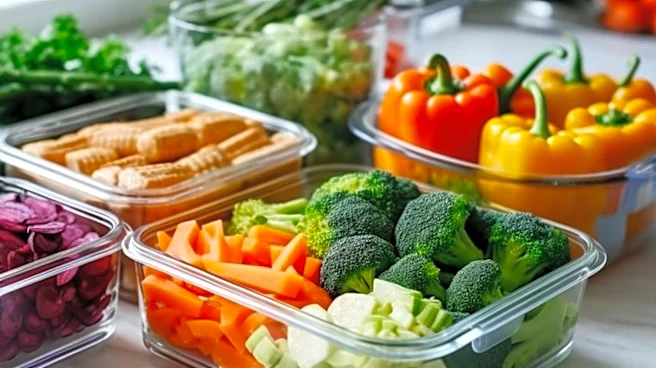
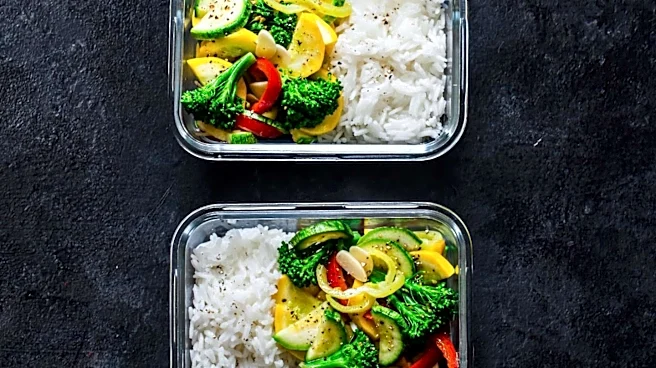
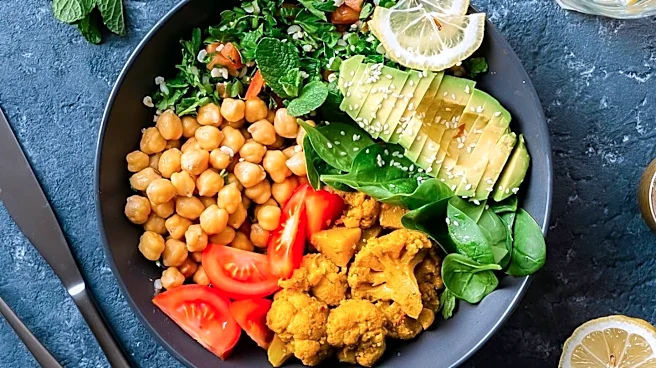
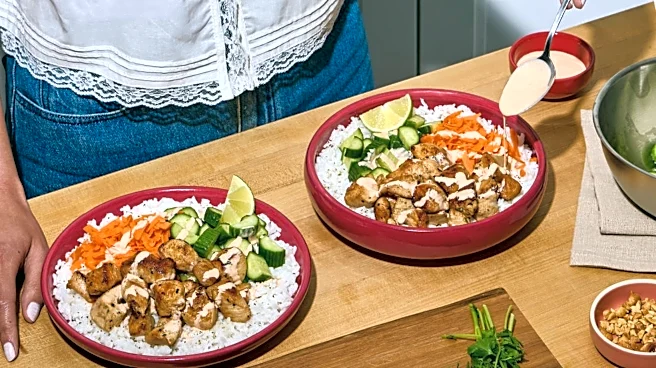
highlighted as particularly economical options. The approach emphasizes preparing a few compatible components that can be recombined, such as serving curry with different bases like basmati rice or cauliflower rice, and adding fresh elements like chutney or yogurt just before eating to vary flavor and texture. Indian cuisine is well-suited for meal prep because many dishes, especially those with spices, tend to develop richer flavors over time. The process can involve complete meal prep, where main dishes, starches, and vegetables are portioned into containers; component meal prep, where items are stored separately for daily assembly; or freezer meal prep for longer-term storage. This flexibility makes Indian meal prep adaptable to various dietary needs and preferences, including vegetarian, high-protein, and low-carb options.
Why It's Important?
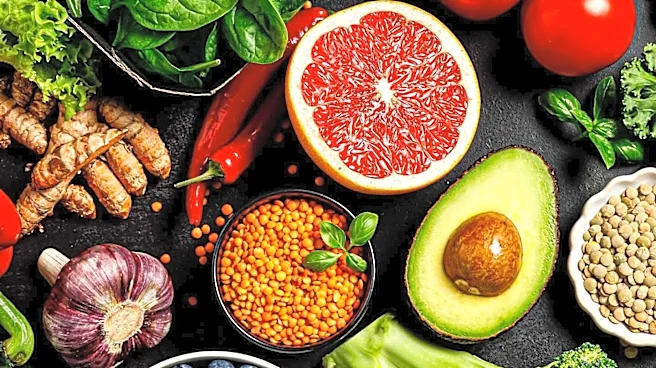
The growing interest in meal prep, particularly with diverse cuisines like Indian food, reflects a broader societal shift towards healthier, more economical, and time-efficient eating habits in the U.S. For individuals and families, Indian meal prep offers a practical solution to the challenge of preparing nutritious meals during busy weekdays, reducing reliance on takeout or less healthy convenience foods. The emphasis on budget-friendly ingredients like lentils, beans, and rice makes it an attractive option for those looking to manage food expenses without sacrificing flavor or nutritional value. Furthermore, the ability to customize meals to fit specific dietary requirements, such as vegetarian or high-protein diets, aligns with increasing health consciousness among American consumers. This trend also supports culinary exploration, encouraging more people to engage with and appreciate the diverse flavors of Indian cuisine in a practical, everyday context.
What's Next?
As awareness and adoption of meal prepping continue to grow in the U.S., it is likely that more resources, recipes, and specialized products catering to specific cuisines like Indian food will emerge. This could include an increase in meal prep-focused cookbooks, online communities sharing Indian meal prep strategies, and potentially even pre-portioned ingredient kits from food delivery services. Consumers may also see more kitchen gadgets designed to streamline the Indian meal prep process, such as specialized pressure cookers or food processors. The emphasis on component-based meal prep suggests a future where consumers seek greater versatility and less monotony in their prepared meals, driving innovation in how ingredients are packaged and combined. Additionally, as sustainability becomes a larger concern, meal prep, by reducing food waste and promoting home cooking, may gain further traction as an environmentally conscious choice.
Beyond the Headlines
Beyond the immediate benefits of convenience and cost-saving, the rise of Indian meal prep in the U.S. signifies a deeper cultural integration and appreciation for global cuisines. It moves Indian food beyond the realm of occasional restaurant dining to become a staple in American home kitchens. This shift can foster greater culinary literacy and an understanding of diverse food traditions. Ethically, meal prep, when done thoughtfully, can contribute to reduced food waste, a significant environmental concern. From a lifestyle perspective, it promotes mindful eating and planning, potentially leading to improved dietary habits and overall well-being. The adaptability of Indian meal prep also highlights a broader trend of personalization in food consumption, where individuals are increasingly seeking ways to tailor their diets to their unique tastes, health goals, and schedules, rather than adhering to one-size-fits-all meal solutions.