



What's Happening?
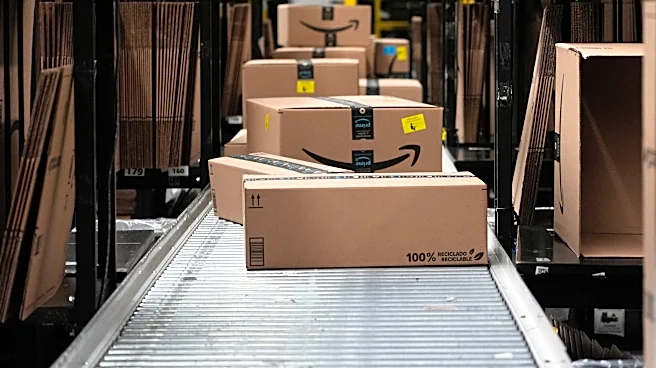
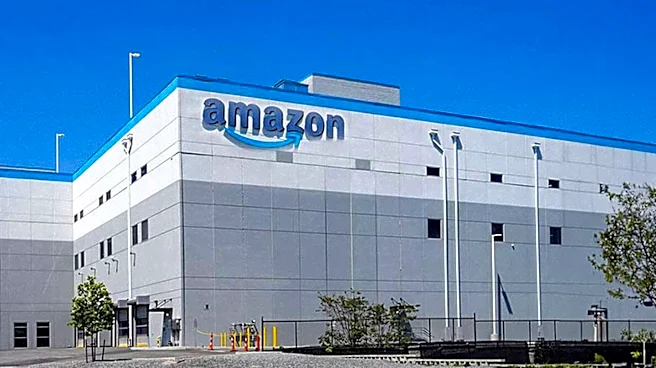
Amazon has announced plans to reimburse customers after receiving approximately $600 million in tariff refunds. This follows a Supreme Court decision that deemed many of President Trump's import levies illegal. Amazon's finance chief, Brian Olsavsky,
stated that the company will automatically reimburse customers where tariff costs can be clearly tracked. The refunds are part of a broader process benefiting other major companies like Apple, Walmart, and Costco. Amazon's decision comes amid a consumer class-action lawsuit alleging the company initially avoided seeking refunds to maintain favorable relations with the Trump administration. Despite the refunds, Amazon's payout is limited due to its pre-tariff stockpiling and reliance on third-party sellers.
Why It's Important?
The refund process highlights the significant financial impact of tariff policies on major corporations and their customers. Amazon's move to pass on savings to consumers could enhance its competitive edge by potentially lowering prices. This decision also addresses legal and reputational challenges, as the company faces scrutiny over its initial reluctance to seek refunds. The broader refund process underscores the interconnectedness of global trade policies and corporate financial strategies, affecting shareholder value and consumer prices.
What's Next?
Amazon's reimbursement strategy may prompt other companies to follow suit, potentially leading to a wave of consumer refunds across the retail sector. The outcome of the class-action lawsuit could further influence corporate behavior regarding tariff-related financial decisions. Additionally, the long-term effects of tariff policy changes on international trade dynamics and consumer pricing strategies will be closely monitored by industry stakeholders.