





What's Happening?
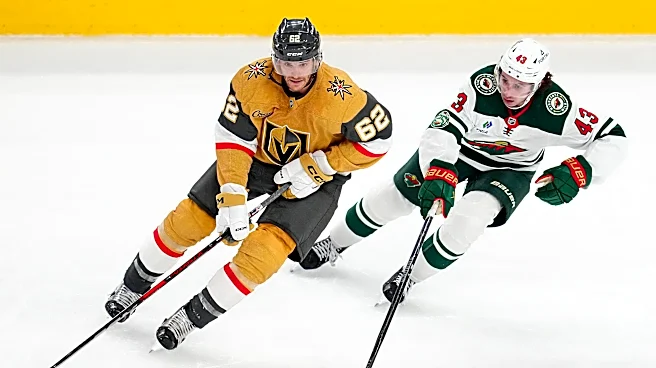
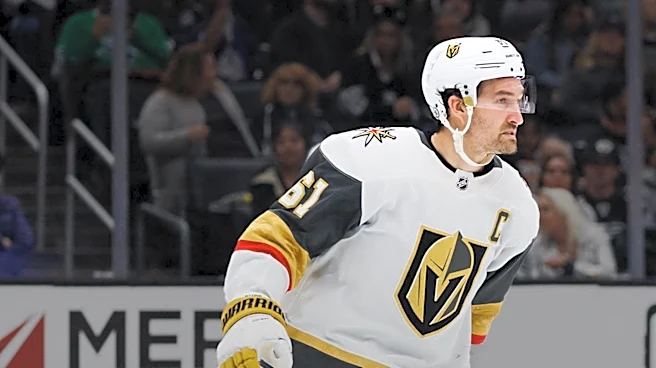
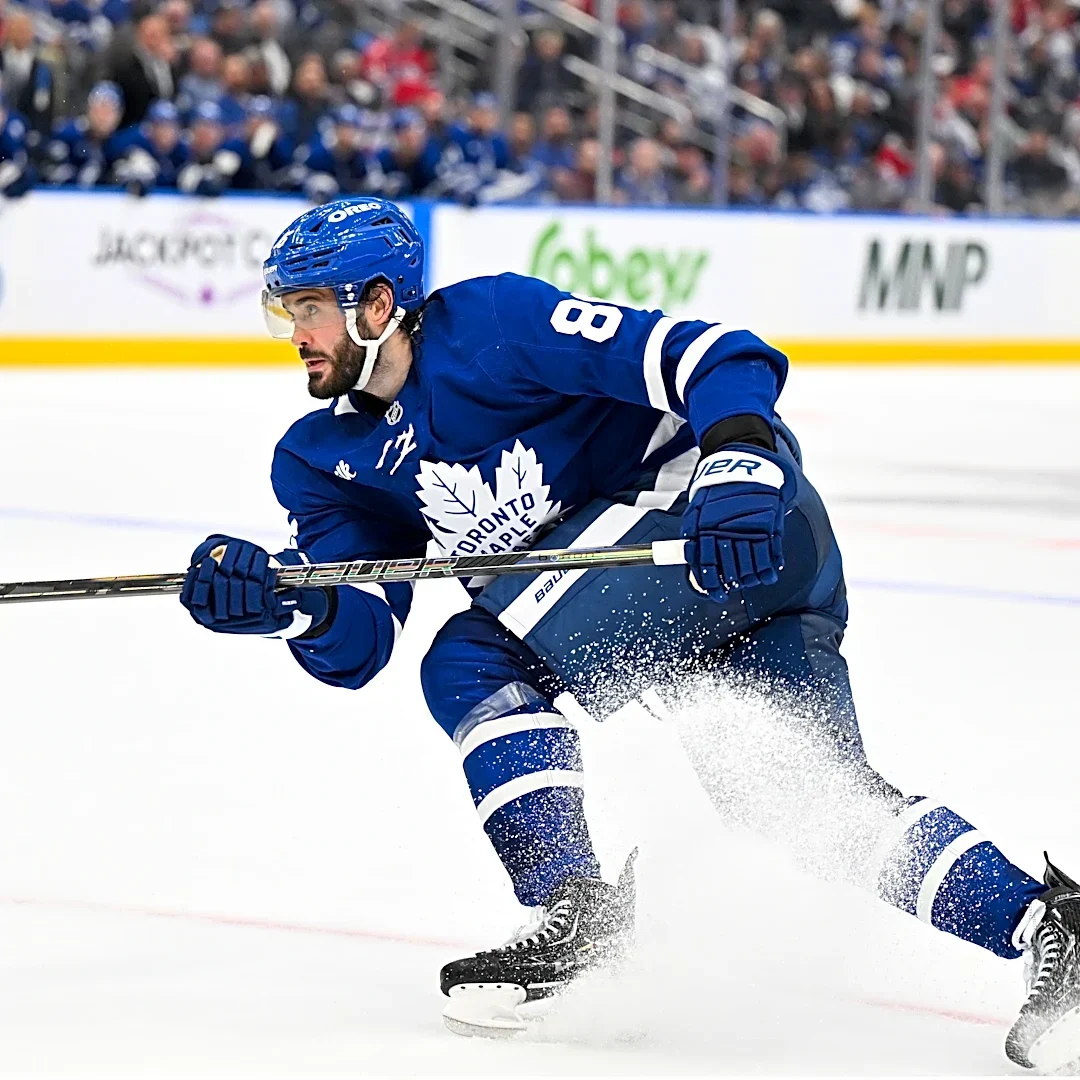
The Vegas Golden Knights' impressive streak of 377 consecutive announced sellouts has concluded. This development follows two recent games at T-Mobile Arena that did not reach full capacity: a game against the Toronto Maple Leafs, which drew 15,977 attendees
(1,390 below capacity), and a subsequent game against the Los Angeles Kings, which also fell short of a sellout. According to Jesse Granger of The Athletic, this change is attributed to a decline in season ticket sales and a significant reduction in ticket sales to brokers. Historically, tickets sold to brokers contributed to attendance figures but often led to undercutting season ticket holders in the resale market. In response to these challenges, the Golden Knights have implemented a new ticketing strategy, including lowering season package prices to as little as $50 per game, establishing resale price floors, and introducing more affordable food and drink options at the arena.
Why It's Important?
This shift in the Vegas Golden Knights' ticketing strategy and the end of their sellout streak highlight broader challenges and evolving dynamics within the professional sports industry, particularly concerning fan engagement and revenue management. The team's decision to lower season ticket prices and control the resale market directly impacts fan accessibility and affordability, potentially making games more attainable for a wider audience. By setting resale price floors, the organization aims to protect the value of season tickets and prevent brokers from devaluing the game experience for loyal fans. This move could serve as a case study for other U.S. sports franchises grappling with similar issues of attendance, ticket pricing, and the secondary market. The introduction of cheaper concessions also reflects a growing trend in sports to enhance the overall fan experience and address cost-of-attendance concerns, which can significantly influence long-term fan loyalty and stadium revenue.
What's Next?
The Vegas Golden Knights will likely continue to monitor the effectiveness of their new ticketing strategy, including the impact of reduced season package prices and resale price floors on attendance and fan satisfaction. The team's efforts to make games more affordable, both in terms of tickets and concessions, could lead to a gradual rebuilding of their attendance figures and a stronger connection with their local fan base. Other NHL teams and professional sports organizations across the U.S. may observe the outcomes of these changes to inform their own ticketing and fan engagement policies. The success or failure of this overhaul could influence industry-wide discussions on how to balance revenue generation with fan accessibility in an increasingly competitive entertainment landscape. The team will also need to assess how these changes affect their relationships with various stakeholders, including season ticket holders, casual fans, and potential new attendees.
Beyond the Headlines
The end of the Golden Knights' sellout streak and their subsequent ticketing overhaul point to a deeper re-evaluation of the fan experience in professional sports. Beyond just filling seats, the team's actions suggest a strategic pivot towards fostering a more inclusive and affordable environment for their supporters. This could have long-term cultural implications for how sports franchises perceive their role within their communities, moving beyond pure commercial metrics to consider broader social accessibility. The emphasis on controlling the secondary market also touches upon ethical considerations regarding fair pricing and preventing exploitation by ticket brokers. This shift could set a precedent for other teams to prioritize fan loyalty and community engagement over short-term revenue gains from speculative ticket sales, potentially reshaping the fan-team relationship across U.S. sports leagues. It also highlights the ongoing tension between the economic realities of professional sports and the desire to maintain a vibrant, accessible fan culture.