



What's Happening?
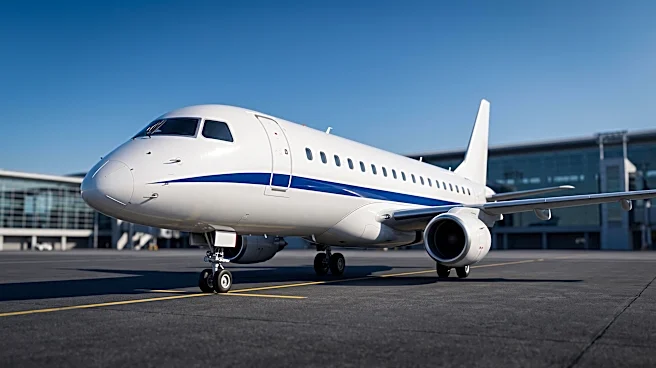
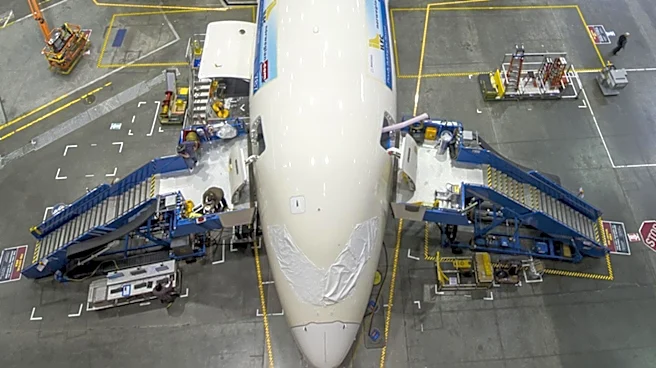
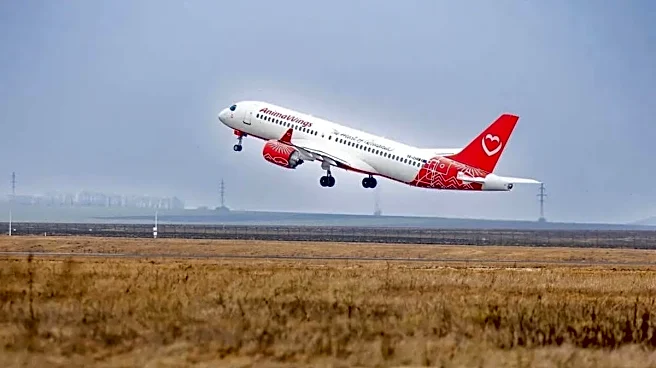
More than 100 new-generation narrowbody aircraft, including Airbus A320neo-family and Boeing 737 MAX units, have been or are slated for premature disassembly for parts, according to Richard Hough, chief executive of Engine Lease Finance Corporation (ELFC).
Specifically, 65 A320neos powered by Pratt & Whitney GTF engines and 35 by CFM International Leap engines have been affected, with their engines now entering the leasing market. This trend is driven by aircraft lessors who find it more profitable to lease out engines and store airframes rather than transition complete aircraft to new lessees. While this has temporarily increased spare engine availability, Hough warns it will lead to softer spare-engine demand in the long run. The influx of over 200 spare engines from these parted-out aircraft is a significant dampening factor on lease rates for expensive new-generation engines, exacerbating an expected pricing moderation as OEM output increases and durability issues are resolved. Hough questions whether lessors' assumptions about better returns from premature part-outs will hold true over the longer term.
Why It's Important?
This trend has significant implications for the U.S. aviation industry, including airlines, lessors, and maintenance, repair, and overhaul (MRO) providers. For U.S. airlines, a softening of engine lease rates could present opportunities for cost savings, especially for those operating or planning to acquire new-generation narrowbody aircraft. However, the long-term impact of reduced spare-engine demand could affect the profitability of engine lessors and MRO companies, potentially leading to consolidation or shifts in business models. The premature part-out of relatively new aircraft also raises questions about asset depreciation and the overall economic health of the aviation sector, particularly concerning the lifecycle management of modern aircraft. This situation could influence future investment decisions in new aircraft and engine technologies, as stakeholders assess the risks associated with early obsolescence or market saturation of parts. Furthermore, it highlights the complex interplay between aircraft and engine leasing markets, and how strategic decisions by lessors can ripple through the entire aviation ecosystem.
What's Next?
The aviation industry will closely monitor the long-term effects of these premature part-outs on engine lease rates and spare-parts markets. Engine manufacturers will need to adjust their spare-engine production strategies to account for the increased availability of used engines. MRO providers may see a temporary surge in demand for servicing these newly available spare engines, followed by a potential decline as the market becomes saturated. Aircraft lessors will re-evaluate their strategies, weighing the short-term gains from part-outs against potential long-term market softness. The situation could also prompt discussions within the industry about contractual agreements and asset valuation for new-generation aircraft and engines. The forthcoming Engine Yearbook 2027 is expected to provide further insights from Richard Hough on these and other engine leasing, maintenance, and technology issues, offering a clearer picture of the industry's trajectory.
Beyond the Headlines
The phenomenon of premature aircraft part-outs touches upon deeper economic and environmental considerations. Economically, it reflects a market inefficiency where the sum of parts is currently valued higher than the whole, indicating potential oversupply of new aircraft or specific engine types, or perhaps a lack of demand for complete aircraft leases. Environmentally, the early decommissioning of relatively new aircraft raises questions about resource utilization and waste, even if parts are recycled. While it might seem counterintuitive to dismantle modern, fuel-efficient aircraft, the decision highlights the complex financial calculations and market pressures within the aviation sector. This trend could also accelerate the development of advanced recycling and repurposing technologies for aircraft components, fostering a more circular economy within aviation. Ultimately, it underscores the dynamic and often unpredictable nature of high-value asset markets, where short-term financial incentives can lead to unexpected long-term consequences for industry structure and sustainability.