





What's Happening?
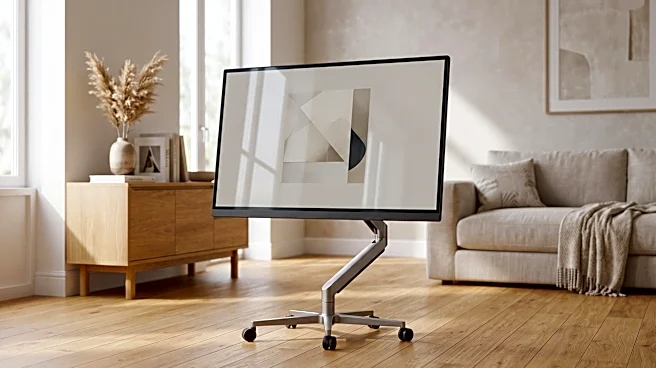
Apolosign has launched a new 32-inch 4K Smart Portable TV designed to function as both an entertainment screen and a household organization hub. Priced at $819, this device runs on Android OS and includes built-in family management tools such as shared
calendars, task management, routines, rewards, and meal planning, all without requiring an additional monthly or annual subscription. The TV features a sleek design with a minimalist charging stand and a five-wheel base, allowing it to be easily moved between rooms. It supports both portrait and landscape modes, offers a touchscreen interface, and integrates Google Voice Assistant and Gemini for smart control. Connectivity options include Wi-Fi, Bluetooth, and HDMI. The device boasts a six-hour battery life for streaming at 50% brightness. Apolosign also offers a companion 15.6-inch Digital Calendar for $279, which can be wall-mounted or placed on a countertop and syncs with the portable TV, also without subscription fees.
Why It's Important?
This product introduces a significant shift in how household technology can integrate entertainment and daily organizational tasks, potentially streamlining family life. By combining a high-quality 4K display with comprehensive family management tools in a portable format, Apolosign addresses the growing need for flexible and centralized digital solutions within homes. The absence of recurring subscription fees for its core family management features offers a cost-effective alternative to other digital calendars and smart home hubs that often come with ongoing charges. This could appeal to budget-conscious consumers seeking to consolidate their tech expenses. The device's portability also caters to modern lifestyles where content consumption and task management are no longer confined to a single room, offering convenience for activities like cooking, exercising, or working remotely.
What's Next?
The introduction of Apolosign's portable 4K TV could spur further innovation in the smart home device market, particularly in the convergence of entertainment and utility. Competitors may respond by developing similar integrated solutions or by enhancing their existing offerings to include more comprehensive, subscription-free family management features. Consumers are likely to evaluate the long-term value proposition of such devices, considering the initial hardware cost against the savings from avoided subscription fees. The success of this product could also influence the design of future smart TVs and displays, pushing manufacturers to incorporate greater portability and multi-functional capabilities. Additionally, the adoption of Android OS and Google's AI assistants suggests a trend towards more open and versatile platforms for smart home devices.
Beyond the Headlines
The Apolosign 32-inch 4K Smart Portable TV represents a broader trend towards 'phygital' experiences in the home, blurring the lines between physical spaces and digital functionalities. By making a large screen easily movable and integrating it with daily routines, it encourages a more fluid and adaptive use of technology within the living environment. This could lead to changes in how families interact with their homes and each other, fostering a more collaborative approach to scheduling and task management. The emphasis on a subscription-free model for essential features also challenges the prevailing industry trend of monetizing software and services, potentially empowering consumers with more control over their digital ecosystems and reducing the cumulative cost of smart home ownership. This product could set a precedent for how future home devices are designed and priced, prioritizing user convenience and long-term value.